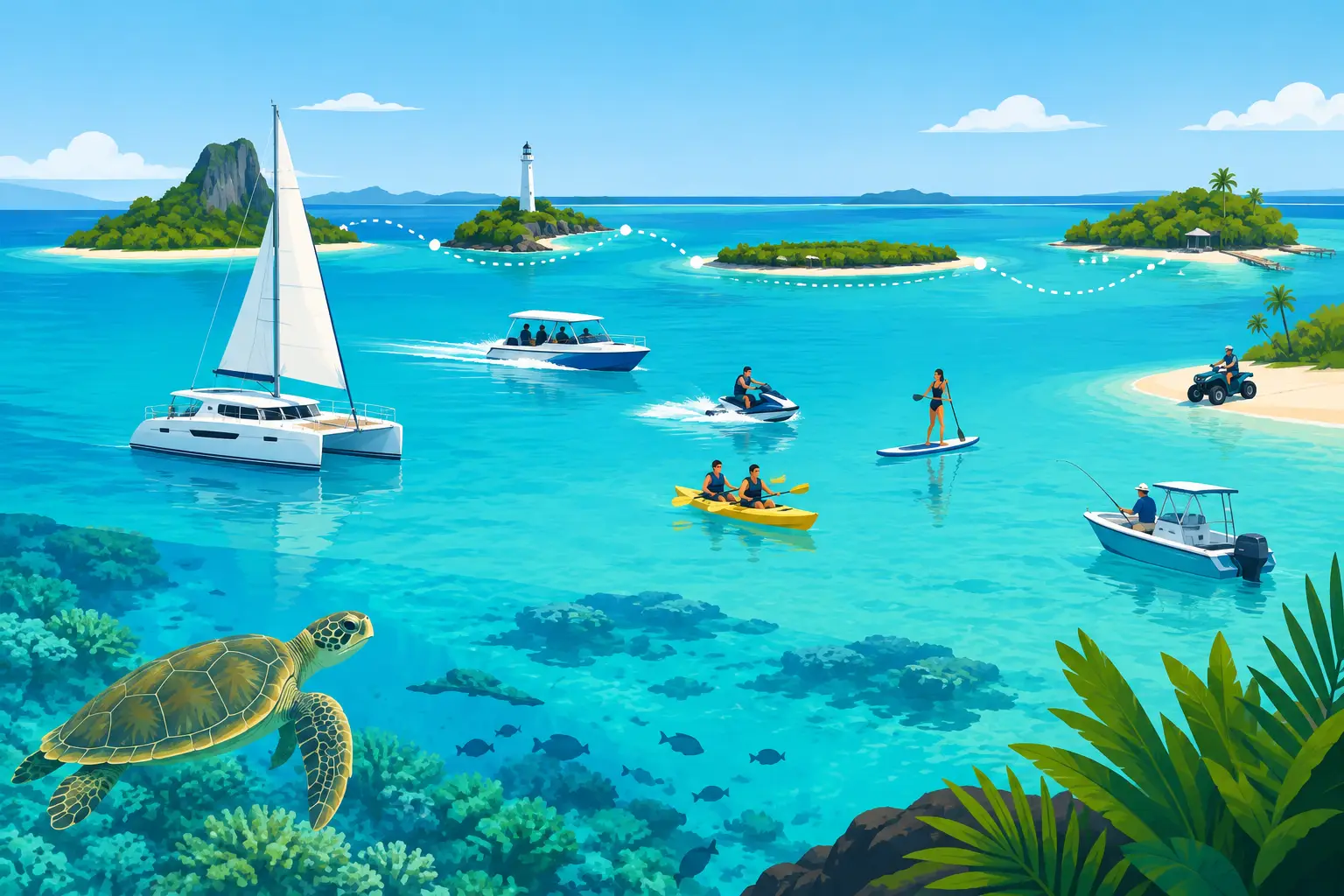
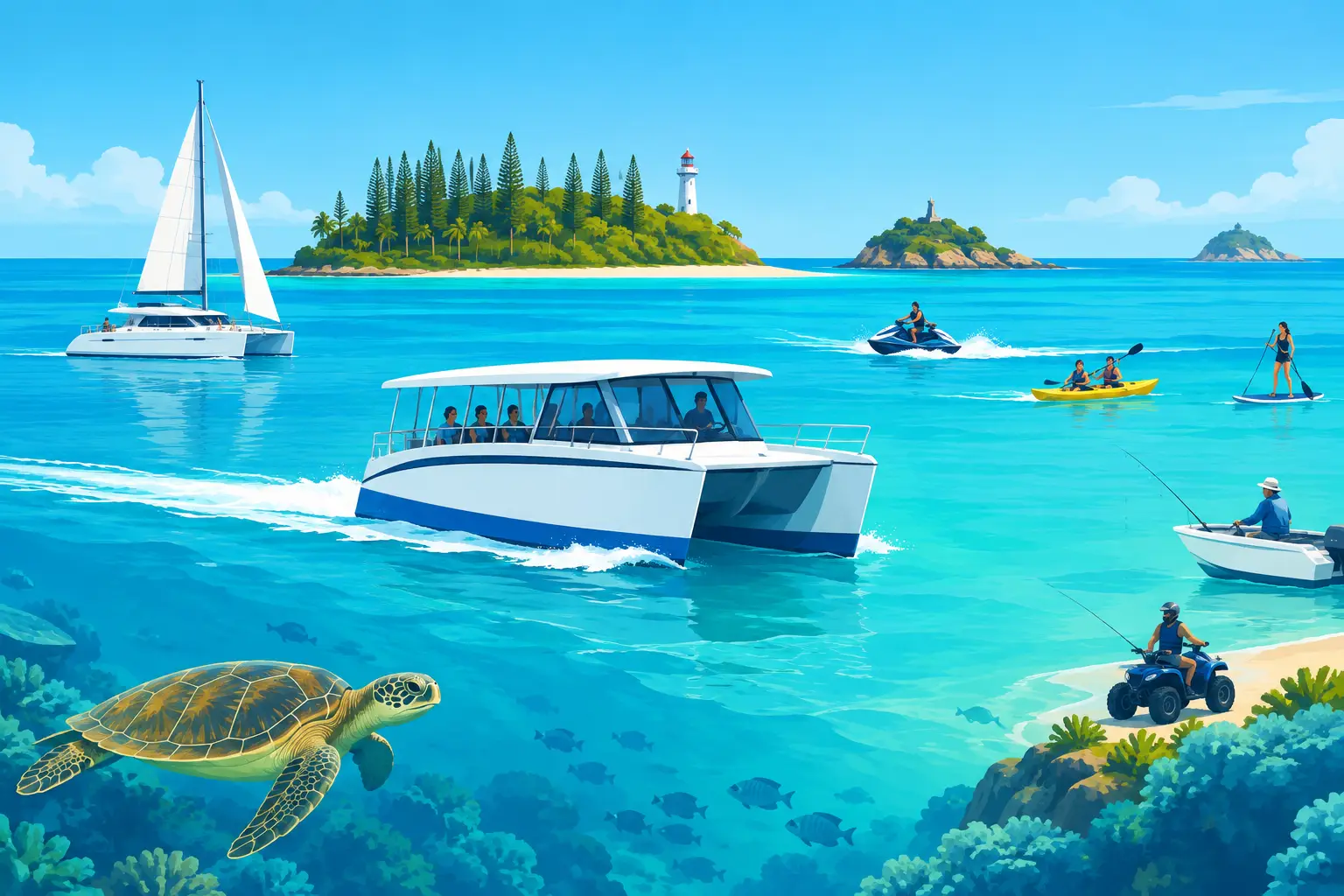
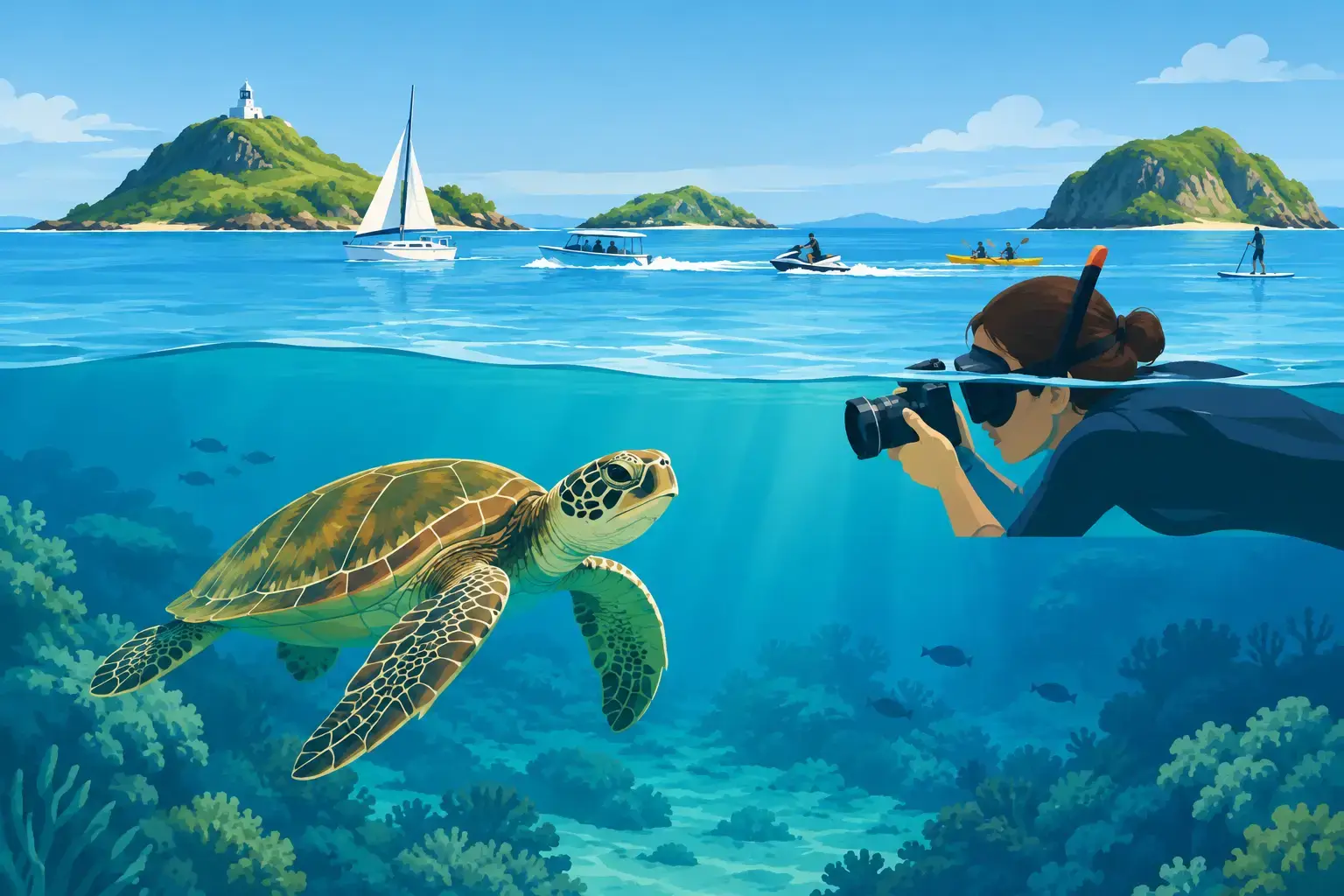
Plan a private charter itinerary in Noumea with island time, snorkeling, turtle viewing, and cruise-friendly timing for a relaxed day on the lagoon today.
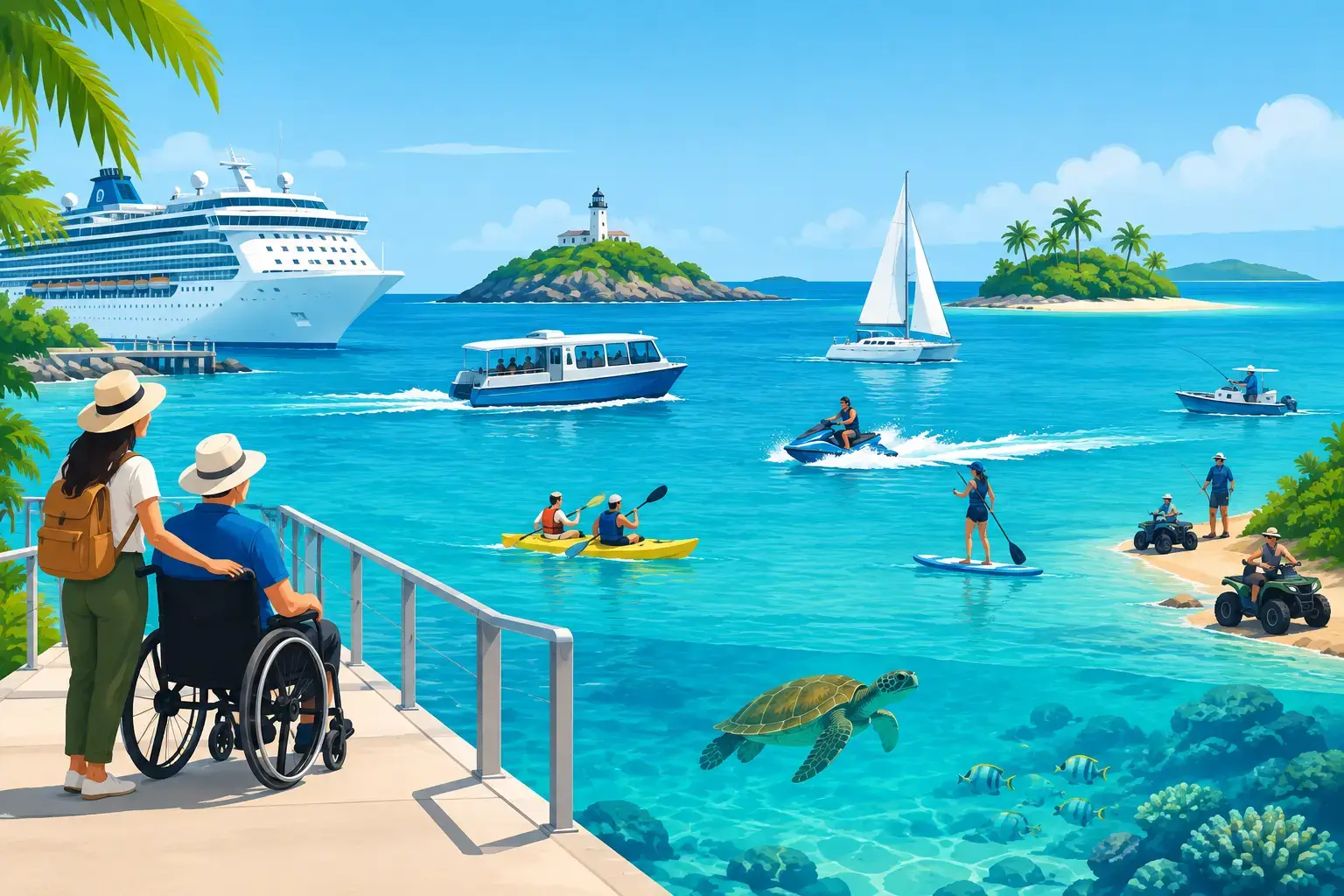
Cruise Passenger Accessibility Guide for Noumea
A great port day should feel exciting before you leave the ship, not stressful because you are unsure about steps, vehicles, docks, or the walk to the beach. This cruise passenger accessibility guide helps travelers plan a more comfortable day in Noumea, whether you use a wheelchair, travel with limited mobility, need extra time, have sensory needs, or simply prefer an easy-going excursion.
Noumea is a beautiful gateway to lagoons, islands, marine life, and relaxed waterfront sightseeing. But island excursions are not all built the same. A tour that sounds simple online can include uneven surfaces, a moving boat, a wet boarding area, or a long walk in the sun. Asking the right questions before booking makes all the difference.
Start With Your Cruise Ship Arrival
Before choosing an excursion, check how your ship will arrive in port. Some cruise calls involve docking at a terminal, while others may use tender boats. If tendering is required, the transfer between ship and shore can be the biggest accessibility consideration of the day.
Tender operations depend on sea conditions, vessel procedures, and crew assistance. Guests using a wheelchair, scooter, walker, or mobility aid should speak directly with their cruise line well before sailing. Ask whether your specific mobility device can be accommodated, whether you must transfer to a ship wheelchair, and what happens if weather changes the tender schedule.
When your ship is docked, getting ashore is often more straightforward, but gangways can still be steep depending on tides. Build extra time into your morning. There is no prize for being first off the ship, and a calmer departure usually makes the whole day more enjoyable.
Cruise Passenger Accessibility Guide: Choose the Right Tour Type
The best excursion is not necessarily the one with the most activities. It is the one that suits your comfort level, physical needs, and available time in port.
A city sightseeing tour or private minibus outing can be a strong choice for travelers who want to see Noumea with minimal walking. You can enjoy coastal views, local landmarks, scenic lookouts, and selected stops while keeping transfers manageable. Ask whether the vehicle has low steps, handrails, space for a folding wheelchair, and air conditioning. For some guests, a private option is especially helpful because the pace can be adapted around rest breaks and mobility needs.
Beach and island trips are wonderful for travelers who want white sand, blue water, and lagoon scenery, but they require more detailed planning. A beach may have soft sand that is difficult for wheelchairs, and the distance from the drop-off point to shade, restrooms, or the water can vary. Ask about the ground surface, available seating, shaded areas, restroom access, and whether beach wheelchairs are available. Do not assume that a beach described as easy to reach is easy to move around once you arrive.
Boat trips to islands, snorkeling locations, or turtle-viewing areas can offer unforgettable moments, yet boarding is often the deciding factor. Catamarans, taxi boats, and other vessels may involve stepping across a gap, using a narrow gangway, or navigating stairs. Conditions can change with wind, swell, and tides. A traveler who can walk short distances with support may be comfortable on one boat but not another. It depends on the vessel design and the conditions that day.
Questions to Ask Before You Book
Clear communication gives your tour provider the best chance to advise you honestly and prepare for your arrival. Explain what you need rather than using only a general label such as “accessible.” Accessibility can mean very different things for different travelers.
For example, let the operator know whether you use a manual wheelchair, power wheelchair, cane, walker, or mobility scooter. Share whether you can manage a few steps with assistance, transfer into a standard vehicle seat, or walk on uneven ground. Mention the size and weight of any mobility equipment, particularly if it needs to be loaded into a vehicle or boat.
It also helps to ask these practical questions:
- How many steps are involved from the meeting point to the vehicle or boat?
- Can the vehicle carry a folding wheelchair or mobility aid?
- Is there a ramp, lift, handrail, or staff assistance for boarding?
- What are the walking distances at each stop, and are paths paved, sandy, steep, or uneven?
- Are accessible restrooms available during the excursion?
- Is shade available, and can guests remain seated if they do not wish to join every activity?
- What is the latest safe return time to the cruise terminal?
For guests with hearing, vision, cognitive, or sensory needs, ask about the tour environment too. Find out whether guides can provide written information, speak clearly in English, allow extra processing time, or offer a quieter place to sit during transport. Multilingual support can also be useful for families traveling in French, Spanish, or English.
Plan for the Transfer, Not Just the Destination
A beautiful island is only part of the experience. The journey there matters just as much.
Look closely at the meeting arrangements. Cruise passengers often appreciate operators that coordinate close to the terminal, as this reduces the worry of finding transportation in an unfamiliar port. Confirm the exact meeting point, whether a representative will be visible on arrival, and what to do if your ship’s disembarkation is delayed.
If you book a taxi boat or catamaran, ask how long the crossing takes and where you will sit. Travelers with balance concerns may prefer a stable, sheltered seat rather than an open deck. Guests prone to motion sickness should consider a shorter crossing, bring any preferred remedies, and avoid scheduling a boat activity immediately after a large breakfast.
Also consider heat and humidity. New Caledonia’s sunshine is part of its appeal, but it can be tiring during a busy port day. Choose an excursion with opportunities to rest, drink water, and get out of direct sun. A hat, sunscreen, refillable water bottle, lightweight cover-up, and any needed medication should stay within easy reach, not packed at the bottom of a bag.
Snorkeling, Swimming, and Wildlife Experiences
Sea turtle encounters and lagoon snorkeling are special memories for many visitors, but participation should never feel like pressure. You can enjoy marine scenery from the boat, relax on the beach, or watch loved ones snorkel if entering the water is not comfortable or safe for you.
If you would like to swim, ask how water entry works. Some locations have a sandy walk-in entry, while others require steps or a ladder from a boat. A flotation device can help some swimmers feel more confident, but it does not remove the challenge of getting in and out of the water. Let the crew know if you need extra time or assistance.
Wildlife sightings are never guaranteed, and that is part of respectful nature travel. Choose an experience for the beauty of the lagoon and the chance to see marine life, rather than expecting a perfectly staged encounter. Keeping a comfortable distance and following guide instructions helps protect turtles, reefs, and fellow guests.
Travel With a Companion or Support Person
A companion can make an excursion easier, particularly where transfers, steps, or busy boarding areas are involved. However, do not assume a companion replaces crew support. A responsible operator should be clear about what staff can safely assist with and what they cannot do, especially around lifting, transfers, or water activities.
If you are traveling solo, tell the operator in advance. A small group tour may still work very well if the route and vehicle suit your needs. Private transportation can be worth considering when flexibility is more valuable than fitting in the maximum number of stops.
Families should also think about mixed mobility levels. One guest may want a gentle sightseeing day while another hopes to snorkel. A well-planned itinerary can allow everyone to enjoy the destination without turning the day into a race.
Make Time Your Accessibility Tool
Cruise schedules are fixed, so avoid excursions that leave no room for real life. Ship disembarkation can take longer than expected. Weather may affect boats. A mobility aid may need to be secured. Restroom breaks and a slower walking pace are normal parts of travel, not inconveniences.
Choose a tour that returns comfortably before all-aboard time, not one scheduled to arrive at the last possible minute. Shorter, cruise-friendly outings often provide the best balance: enough time for an island beach, a lagoon view, or a local sightseeing experience, with less pressure around the return journey.
Noumea Turtle Island Tours can help cruise and hotel guests discuss suitable transport and activity options before booking, especially when extra coordination is needed. The earlier you share your requirements, the easier it is to recommend an experience that feels enjoyable rather than demanding.
Your ideal Noumea day may be a shaded beach chair with a view of turquoise water, a relaxed scenic drive, or a boat ride with a chance to spot turtles in the lagoon. Plan around what lets you feel confident, comfortable, and present for the moment – then let the island do the rest.

Related Posts