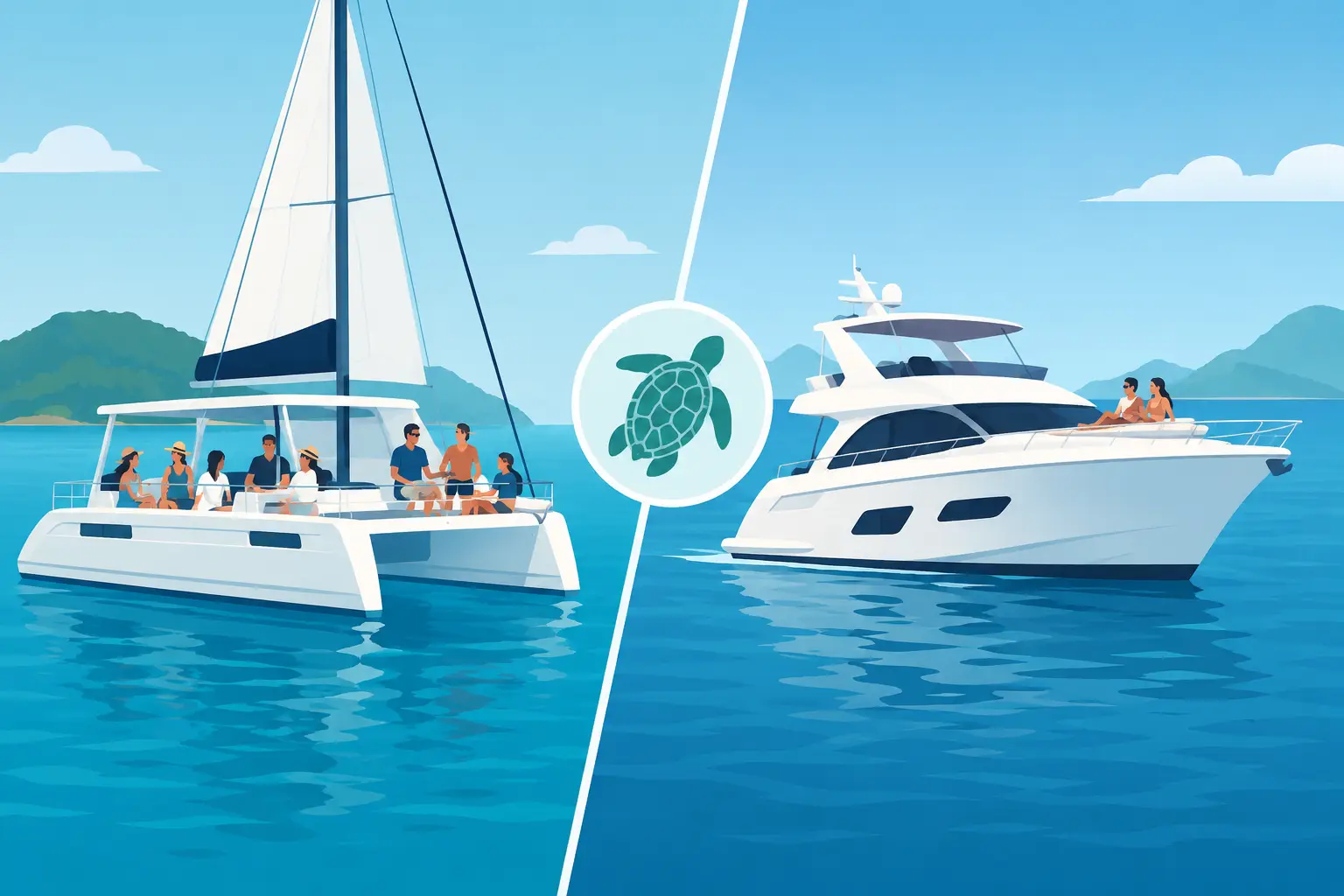
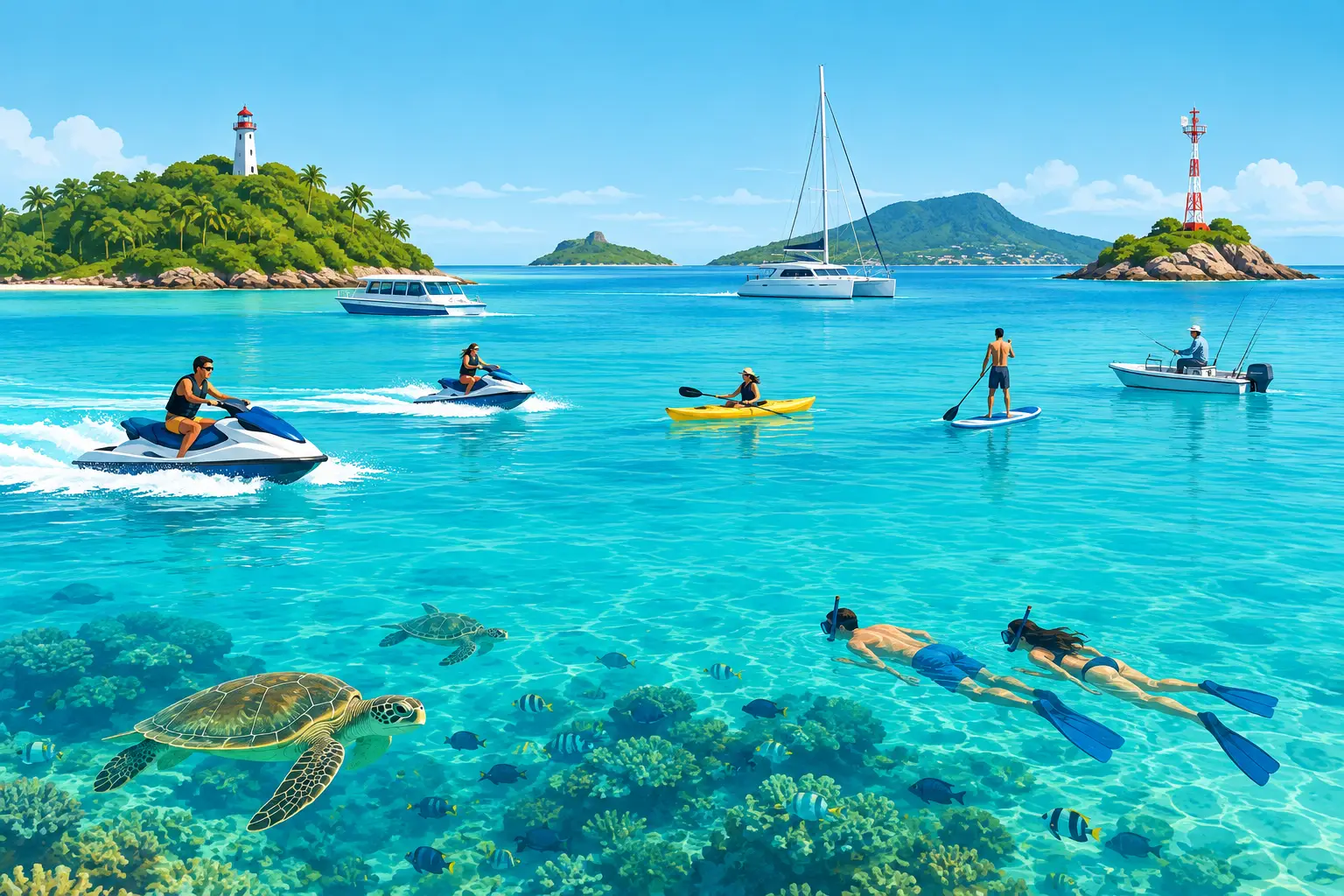
Compare shared charter versus private charter for your Noumea day at sea, from price and pace to privacy, flexibility, and cruise-port timing needs.
What Marine Animals Live Near Noumea?
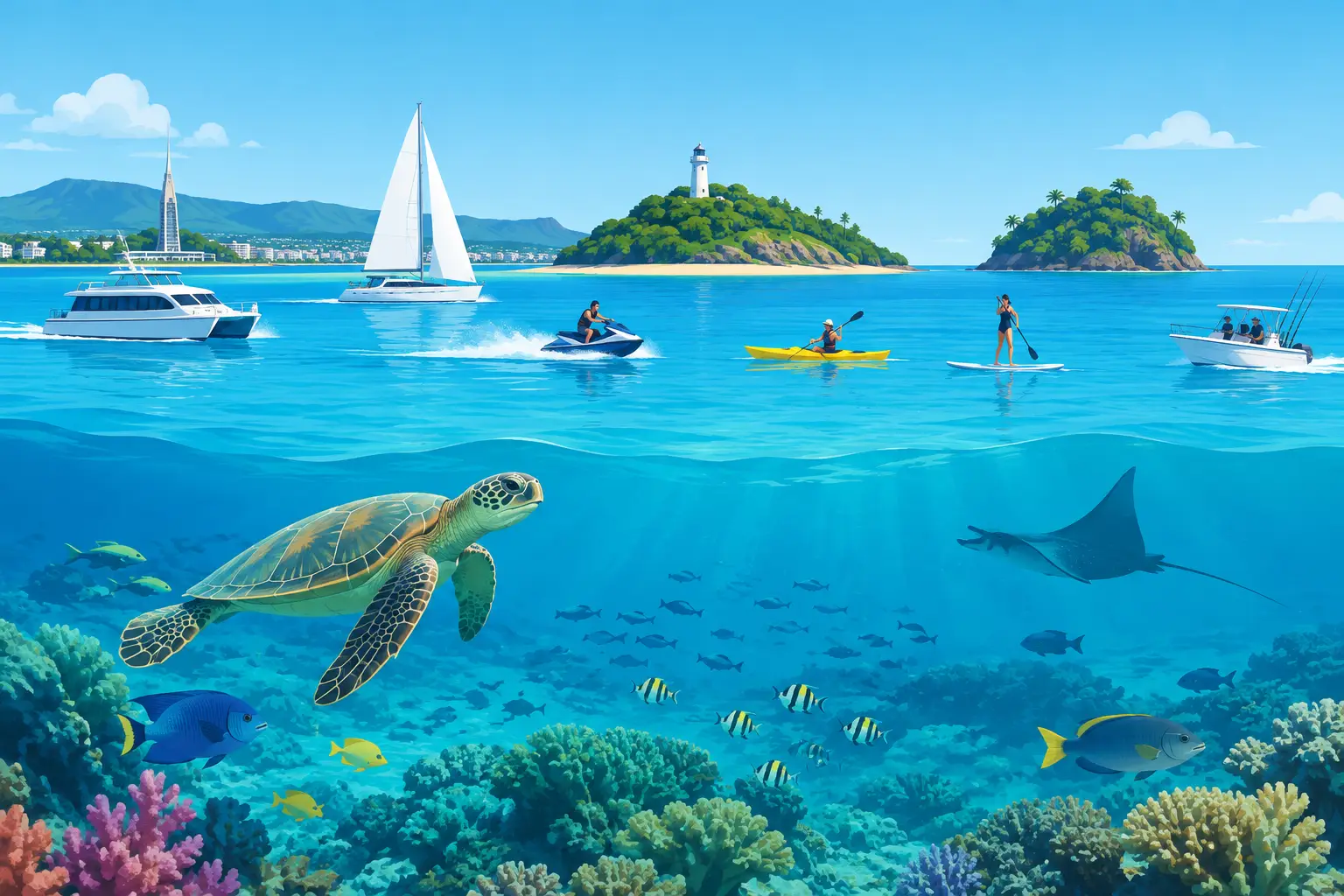
The lagoon is often the first thing visitors notice after arriving in Noumea: clear blue water, reef-fringed islands, and a surprising amount of life close to shore. So, what marine animals live near Noumea? Sea turtles are the headline act, but the waters around the city and nearby islets also shelter colorful reef fish, rays, reef sharks, dolphins, sea snakes, and an ever-changing cast of smaller creatures.
For cruise guests and short-stay travelers, the good news is that you do not need a full-day expedition to appreciate this marine world. A well-chosen island trip, snorkeling outing, or glassy-water taxi boat ride can put you in the right habitat while leaving plenty of time to enjoy the beach.
What Marine Animals Live Near Noumea?
Noumea sits beside one of the world’s great lagoon systems. Reefs, seagrass beds, sandy shallows, mangroves, and open lagoon water all support different animals. What you see depends on where you go, the season, the weather, and how calmly you enter the water.
Green sea turtles and hawksbill turtles
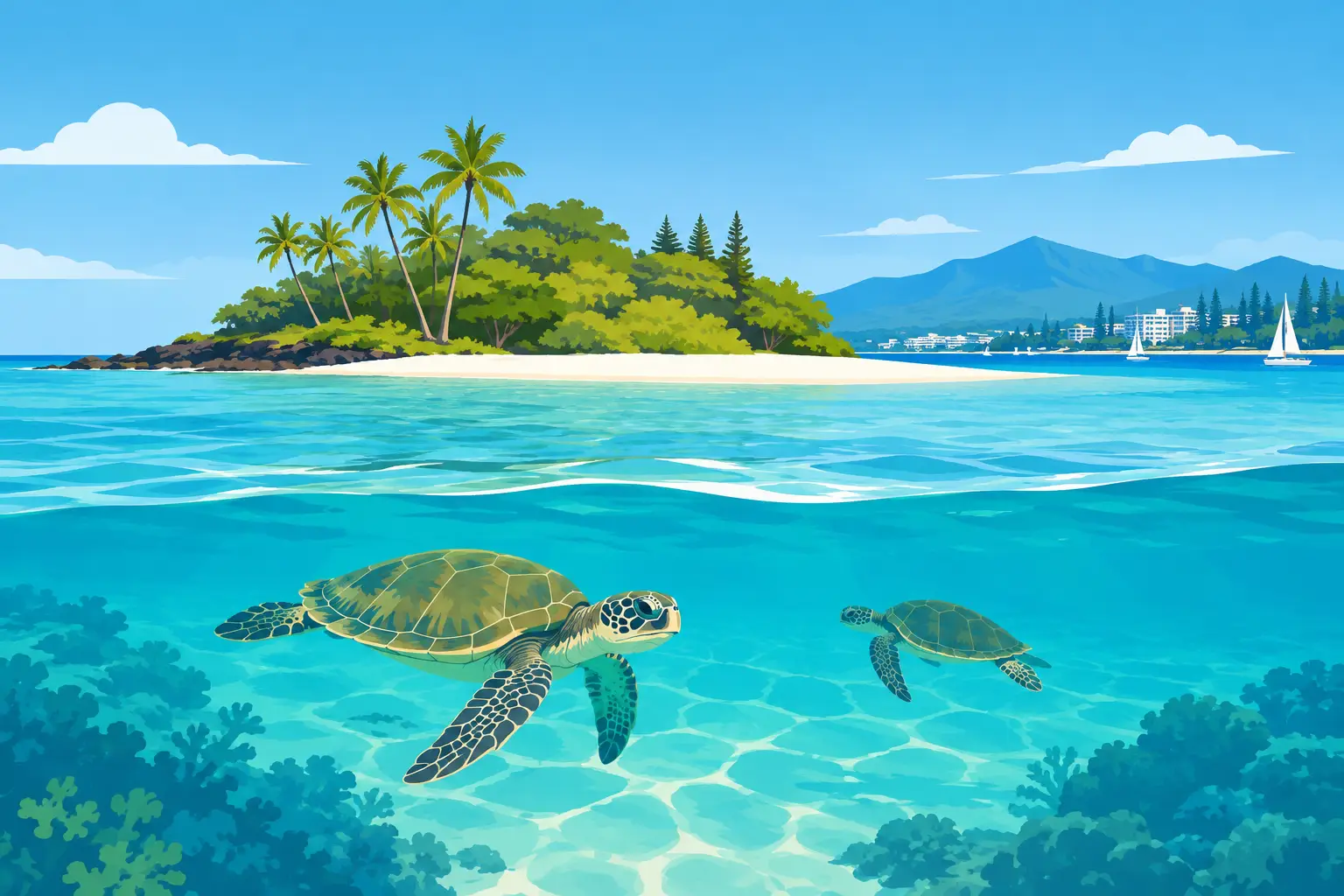
Green sea turtles are among the most sought-after wildlife sightings around Noumea. They are often associated with shallow seagrass areas and calm lagoon water, where they can feed and rest. Their broad, smooth-looking shells and gentle swimming style make them easy to recognize when conditions are clear.
Hawksbill turtles may also be present around coral reef habitat. They have a narrower, more pointed beak and patterned shells. Because they feed around reefs, they can be harder to spot than a green turtle cruising over a sandy bottom, but a lucky snorkeler may see one moving carefully between coral structures.
A turtle encounter should always happen on the turtle’s terms. Do not chase, touch, feed, block its route to the surface, or crowd it with a group. Give it room to swim away. The best moments are usually the quiet ones: floating at a respectful distance and watching a turtle move naturally through its home.
Bright reef fish in every color
Even first-time snorkelers can enjoy Noumea’s fish life. In shallow reef zones, look for butterflyfish, angelfish, parrotfish, surgeonfish, damselfish, wrasse, and schools of small silver fish moving together over the coral.
Parrotfish are especially fun to watch. Their strong beaks graze algae from reef surfaces, helping keep coral habitats healthy. You may hear a faint crunching sound underwater as they feed. Clownfish can sometimes be seen close to sea anemones, while timid damselfish hover near their favorite coral head and disappear the moment you swim too close.
The reef is not a fish tank, and visibility varies. After wind or rain, water may be less clear. On a calm, sunny day, however, even a short snorkel near a suitable island can feel like entering a completely different world.
Rays gliding over sand and reef
Stingrays are another memorable Noumea lagoon sighting. They may glide across sandy patches, pass along shallow reef edges, or rest partly covered by sand. Their movement is graceful and almost effortless, which is why they are a favorite with underwater photographers.
Rays are peaceful when left alone, but they are wild animals. Never try to stand near one, touch it, or force it to move for a photo. Keep your feet off the bottom when possible, especially in sandy shallows where an animal may be resting out of sight.
Eagle rays can also appear in deeper or more open lagoon water. Their spotted backs and long tails make them a spectacular sight, though encounters are less predictable than with smaller stingrays.
Reef sharks: shy and important residents
The word “shark” can sound dramatic, but small reef sharks are a normal and valuable part of a healthy tropical lagoon. Blacktip reef sharks and whitetip reef sharks may be seen around reef drop-offs or clear coral areas. They are generally shy, often keeping their distance from swimmers.
Seeing a reef shark can be an exciting sign that the ecosystem is functioning well. The sensible approach is simple: stay calm, observe from a distance, and follow your guide’s instructions. Do not feed sharks, corner them, or splash after them. A respectful sighting is an unforgettable part of a reef day, not a reason for concern.
Dolphins, whales, and animals you may spot from the boat
Not every marine encounter happens with a mask and snorkel. While traveling between Noumea and nearby islands, keep an eye on the open water. Bottlenose dolphins can occasionally be seen traveling or playing in the lagoon and coastal waters. They are wild and sightings cannot be guaranteed, but a pod surfacing beside the boat is a wonderful bonus.
During the cooler months, humpback whales may pass through New Caledonian waters as part of their seasonal migration. These sightings are more likely farther from sheltered island beaches and depend heavily on timing and local conditions. If you see a whale, enjoy the privilege from a safe distance and let professional operators manage the encounter responsibly.
You may also see flying fish skipping across the surface, seabirds diving for baitfish, or large schools creating ripples in otherwise calm water. Sometimes the boat ride becomes the wildlife tour.
Sea snakes and other unusual lagoon residents
Banded sea snakes are native to the region and may occasionally be spotted around reef areas. Their black-and-white or bluish bands make them striking, but they should never be approached or handled. Like most wildlife, they prefer to be left alone and will usually move away when given space.
Other small discoveries include sea cucumbers on sandy bottoms, starfish, clams, crabs, and nudibranchs, which are tiny sea slugs with incredible colors and patterns. These creatures are easy to overlook when you are searching for turtles, yet they reveal how much detail is packed into a healthy lagoon.
Where You Have the Best Chance of Seeing Marine Life
Nearby islands and reef-fringed beaches are often better for wildlife viewing than busy city waterfront areas. Clear, sheltered shallows with seagrass may offer a good chance of turtle sightings, while coral gardens are ideal for reef fish and smaller marine animals. Deeper reef edges can bring more variety, including rays and reef sharks.
Conditions matter as much as location. Morning water is often calmer, and sunlight helps reveal coral colors and fish movement. Low wind can improve visibility, while tide, currents, and recent weather may change where animals are active. That is why joining a guided excursion is especially useful for visitors with limited time in port. Local crews can select an island or snorkeling area that suits the day’s conditions and your confidence in the water.
Families with younger swimmers may prefer a beach day with gentle snorkeling close to shore. Confident swimmers may want a reef-focused outing with more time in the water. If snorkeling is not your thing, a boat transfer and island visit can still offer wildlife possibilities from the beach or the deck.
How to Watch Noumea’s Wildlife Respectfully
The lagoon’s beauty depends on visitors treating it gently. Small choices make a real difference: use reef-safe sun protection where possible, avoid standing on coral, take all trash back with you, and never collect shells, coral, or marine animals as souvenirs.
Keep a comfortable distance from every animal, even if it appears relaxed. A turtle coming closer does not mean it wants to be touched. Let it choose the interaction. The same rule applies to rays, dolphins, sea snakes, and fish. Photos are wonderful, but no image is worth stressing an animal or damaging a coral garden.
Wear a rash guard or cover-up if you can. It reduces the amount of sunscreen needed and provides extra protection during a long beach or snorkel day. Bring drinking water, listen to safety briefings, and be honest about your swimming ability before heading out.
Noumea Turtle Island Tours helps travelers make the most of a short visit with island transport and marine-focused experiences designed around the lagoon’s natural highlights. Whether your perfect day means spotting a green turtle, floating over bright fish, or simply enjoying the view from a catamaran, leave space in your itinerary for the lagoon to surprise you.

Related Posts