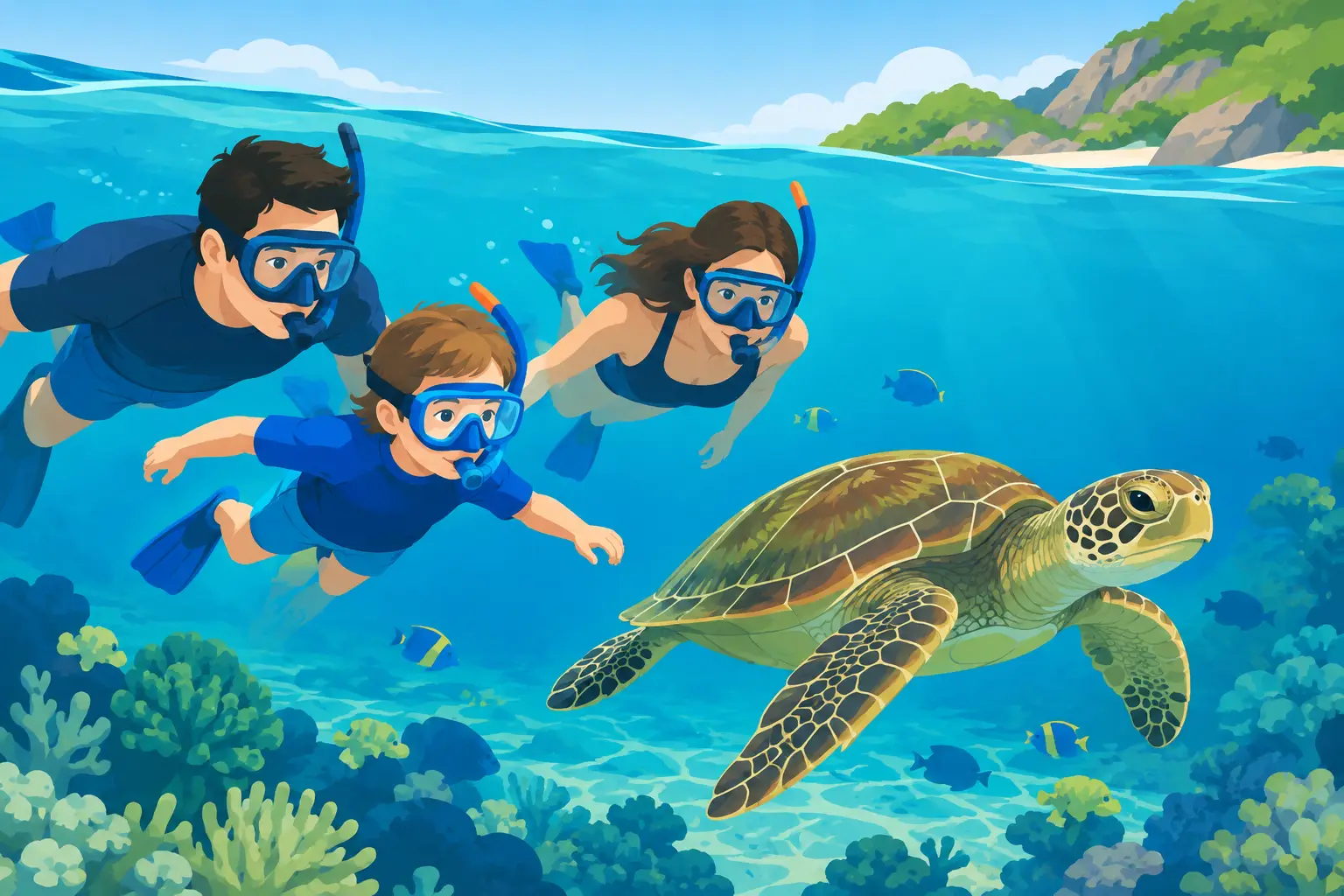
Can children snorkel safely? Learn the right age, gear, supervision, and calm-water habits for a fun, family-friendly lagoon adventure in Noumea today.
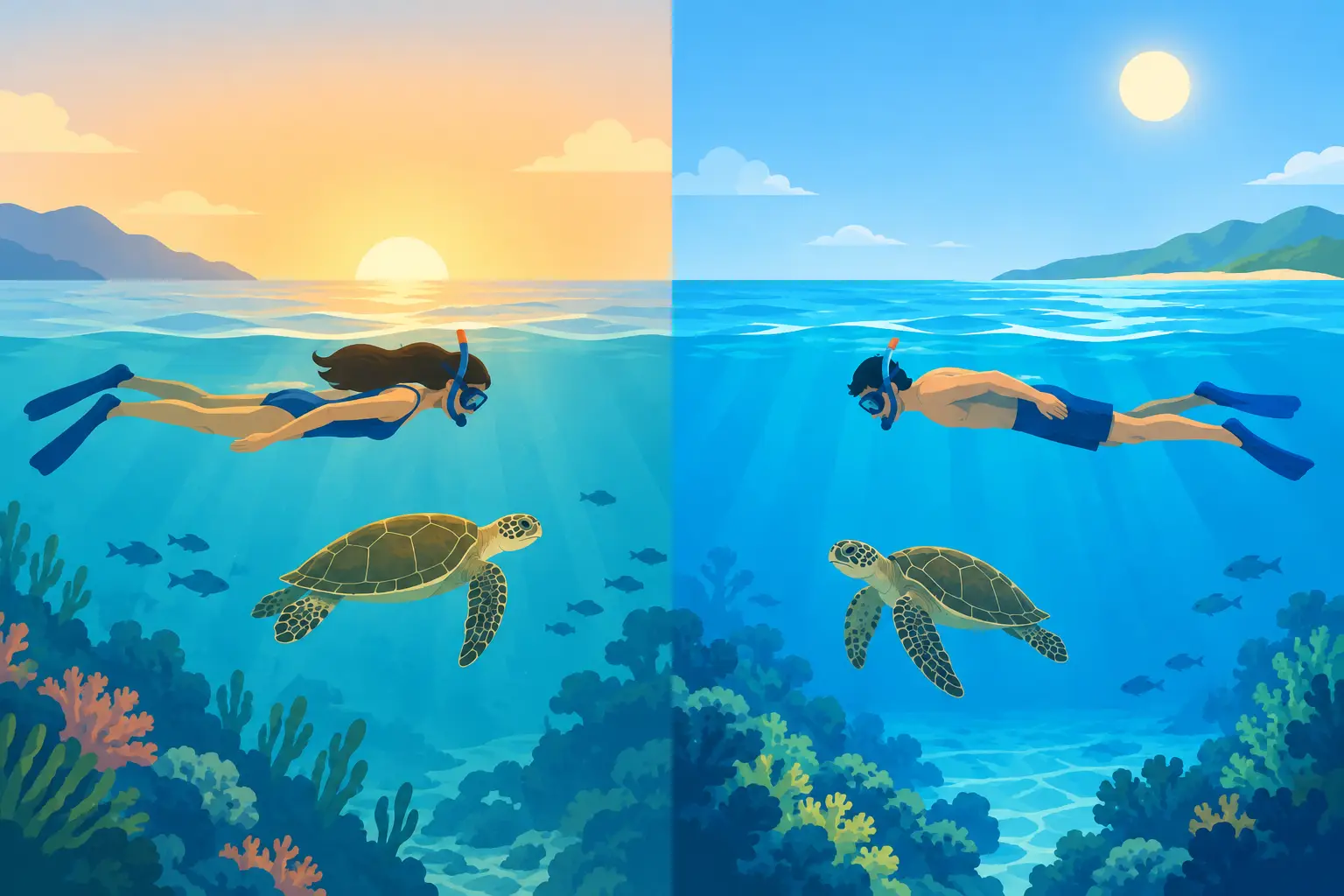
Morning Versus Afternoon Snorkeling: Which Wins?
The lagoon can look completely different at 9 a.m. than it does at 2 p.m. That is why morning versus afternoon snorkeling is more than a question of personal preference. Light, wind, tides, boat schedules, family energy levels, and your time in port can all shape the experience. The good news is that both can be fantastic in Noumea when you choose the session that fits your day.
For cruise guests and short-stay travelers, the best snorkeling time is often the one that leaves enough room to enjoy the island without watching the clock. A well-planned tour makes that easy, with transport, local guidance, and time to enjoy the clear water, soft sand, and incredible lagoon scenery.
Morning Versus Afternoon Snorkeling at a Glance
Morning snorkeling is usually the favorite for guests who want the calmest possible start, bright underwater visibility, and a comfortable schedule before the midday heat. It can be especially appealing for families with younger children, first-time snorkelers, and travelers hoping to make the most of a limited port day.
Afternoon snorkeling has its own advantages. The water is often warmer, the beach atmosphere can feel more relaxed, and later departures may fit better around a cruise arrival, hotel breakfast, or a morning city visit. On a sunny day, the lagoon can still be beautifully clear and full of color.
There is no one answer for every visitor. Conditions change with the weather, wind direction, tides, and location. A local operator can help match the day’s conditions to the right island or snorkeling area, which matters far more than following a fixed rule about the clock.
Why Morning Snorkeling Is So Popular
Early light is often kind to snorkelers. Before stronger afternoon breezes arrive, the water surface may be smoother, making it easier to float comfortably and see below the surface. A calmer surface does not change the reef itself, but it can make coral formations, fish, and sandy channels appear sharper from above.
Morning also gives you more flexibility. If your snorkeling session is the first highlight of the day, you still have time afterward for a beach picnic, a scenic island walk, a refreshing drink, or another Noumea experience. Cruise passengers particularly appreciate having a buffer before they need to return to the terminal.
The temperature is another factor. New Caledonia’s sunshine is a major part of the appeal, but the middle of the day can feel intense on exposed beaches and boats. Starting earlier lets you enjoy the water before the hottest hours. Bring reef-safe sunscreen, a rash guard or light cover-up, drinking water, and a hat for time on land.
For guests hoping to spot sea turtles, the morning can feel especially peaceful. Turtles are wild animals, not a guaranteed sighting at any hour, and responsible tours never chase or touch them. Still, calmer conditions can make it easier to look carefully over seagrass areas and reef edges while your guide explains how to observe marine life respectfully.
Morning is best for travelers who want a full day
Choose a morning snorkeling trip if you like an active start and want the rest of your day open. It is also a smart choice if you are new to snorkeling and would feel more confident entering calmer water with fresh energy. If your ship departs later in the day, an early excursion can provide valuable peace of mind.
Morning trips are not automatically perfect, though. Some cruise itineraries arrive later, and not everyone wants to rush through breakfast or meet at the dock soon after coming ashore. If an early departure makes your day stressful, the practical advantage can disappear.
The Case for Afternoon Snorkeling
Afternoon snorkeling is ideal when your schedule starts later. Perhaps your cruise ship arrives in the morning, you are enjoying a slow hotel breakfast, or you want to combine snorkeling with a city tour, aquarium visit, or beach transfer. A later session can make the day feel easier instead of packed.
The water may also feel noticeably warmer after several hours of sunshine. That can be welcome for guests who get chilly while floating, especially when they plan to spend plenty of time observing fish and coral rather than swimming continuously. Warm water and bright tropical light create a wonderfully relaxed setting for couples, friends, and families.
Some underwater colors can look beautiful in the afternoon, particularly in shallow, protected lagoon areas where sunlight reaches the coral and sand. But intense overhead light can create glare at the surface, and wind can pick up as the day goes on. This is why choosing a sheltered site is often more valuable than simply choosing morning or afternoon.
An afternoon tour can also be a great option for guests who want a beach-first experience. Spend time swimming, relaxing on white sand, and taking photos, then add snorkeling when the water feels inviting. For many travelers, that slower pace is exactly what an island day should feel like.
Afternoon is best for relaxed schedules
Choose afternoon snorkeling if you prefer an unhurried morning, have a later arrival, or want to build a beach day around your time in the water. It can be a particularly good fit for hotel guests with a full day ahead and no strict return-to-ship deadline.
If your cruise departure is early or you have a tight return time, be more cautious about a late outing. Always allow enough time for boat transfers, road traffic, and check-in requirements. The best memories come from enjoying the lagoon, not worrying about missing your ship.
What Actually Affects Snorkeling Conditions
The time of day matters, but it is only one piece of the picture. Wind is often the biggest factor. Even a sunny afternoon can be excellent if the chosen area is protected, while a windy morning may produce chop and reduced comfort. Local guides monitor conditions and can select routes or islands that offer a better experience on the day.
Tide is another consideration. In shallow reef environments, a lower tide can bring coral closer to the surface, while higher water may make swimming easier over certain areas. Neither is universally better. It depends on the site, your confidence in the water, and what you hope to see.
Recent rain, cloud cover, and boat traffic can also affect visibility. That is why photos from a perfect day should be treated as inspiration, not a promise. A good snorkeling excursion sets realistic expectations while doing everything possible to find the clearest, safest, and most enjoyable conditions available.
How to Choose the Right Time for Your Group
Start with your schedule. Cruise visitors should prioritize a tour designed around ship timings, including clear meeting instructions and a reliable return plan. Noumea Turtle Island Tours is well suited to travelers who want an easy meeting point close to the cruise terminal and a guided island experience without complicated planning.
Then consider who is joining you. Young children, nervous swimmers, and first-time snorkelers often enjoy an earlier, calmer session. Confident swimmers and travelers who prefer a relaxed beach day may be equally happy in the afternoon. If someone in your group is sensitive to sun or heat, morning is generally the more comfortable choice.
Also be honest about your goal. If seeing turtles and reef life is your priority, choose a guided trip focused on the right habitats and follow your guide’s advice on the day. If your dream is simply to swim in crystal-clear water and enjoy a beautiful island, both time slots can deliver an unforgettable moment.
Make Every Snorkel More Enjoyable
A few simple habits make a big difference, whatever time you go. Check that your mask seals before leaving the shore or boat, and ask for help if it fogs or leaks. Float calmly instead of kicking hard, which saves energy and avoids stirring up sand near the reef.
Keep a respectful distance from turtles, fish, and coral. Never stand on coral, feed marine animals, or reach out for a closer photo. The most memorable wildlife encounters happen when animals can behave naturally and guests give them space.
Finally, do not judge your trip by whether it matches someone else’s ideal time. A calm morning may be perfect for one traveler, while a sunny afternoon beach session is the highlight of another person’s vacation. Choose the departure that fits your pace, leave room in your schedule, and let the lagoon do the rest.

Related Posts