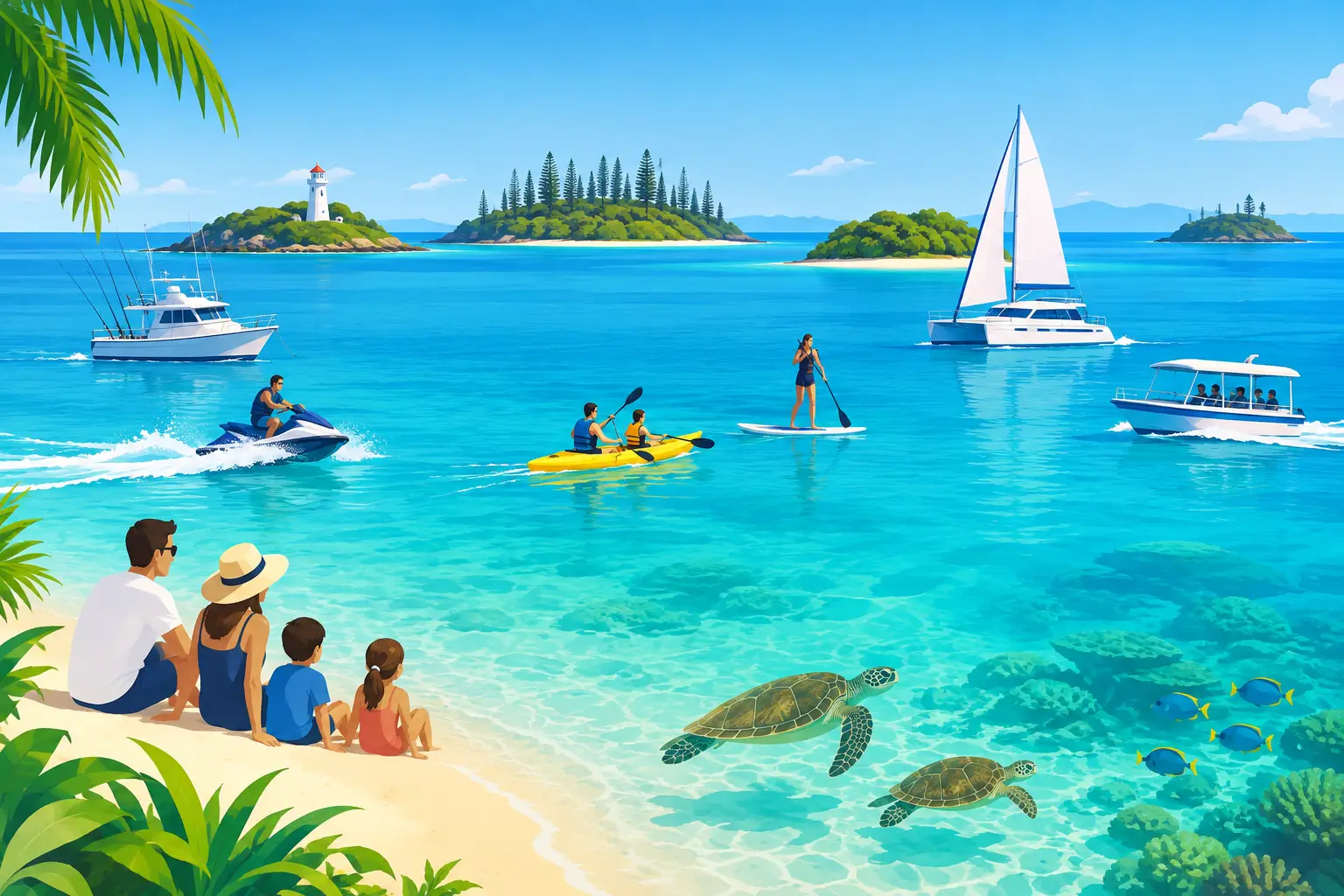
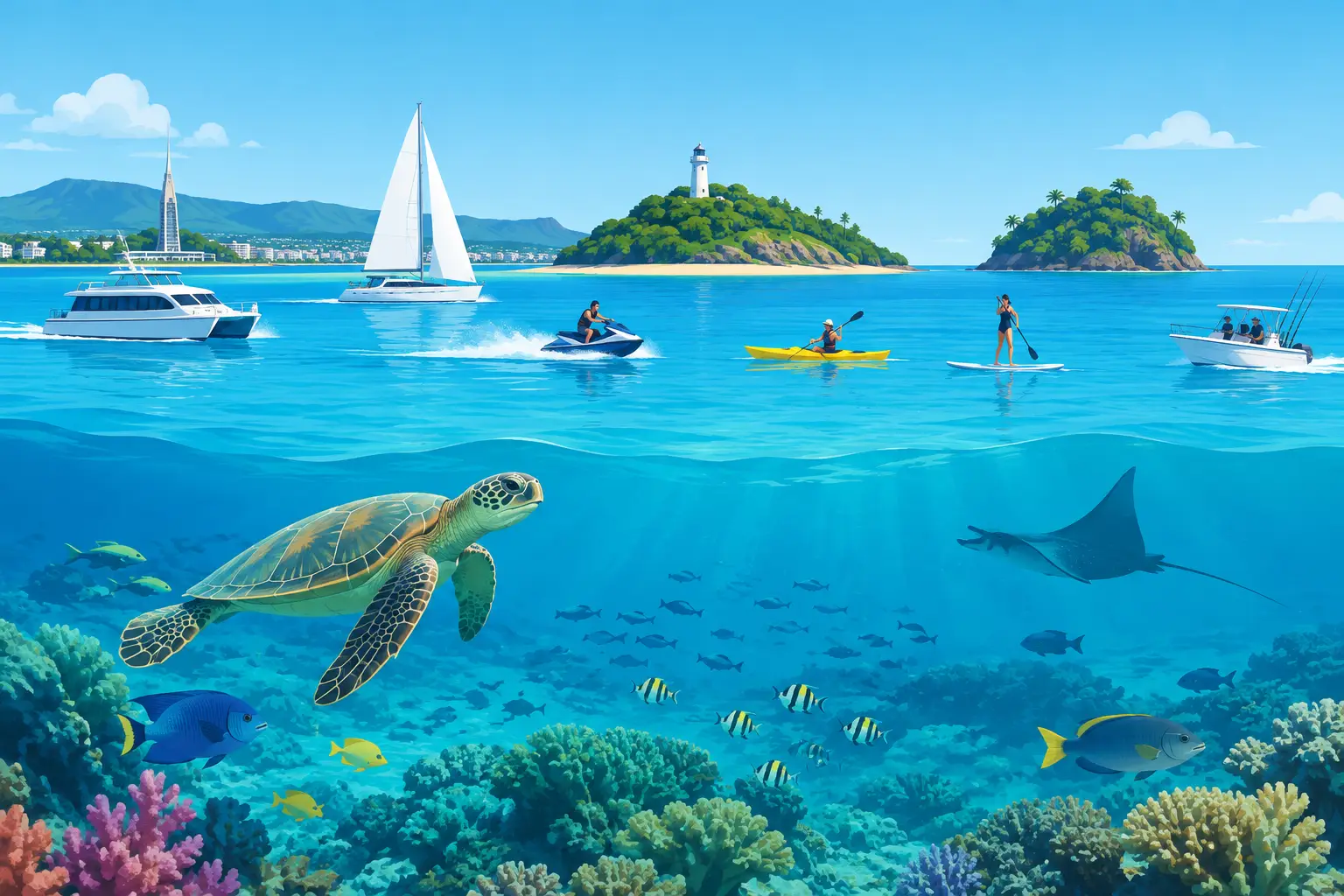
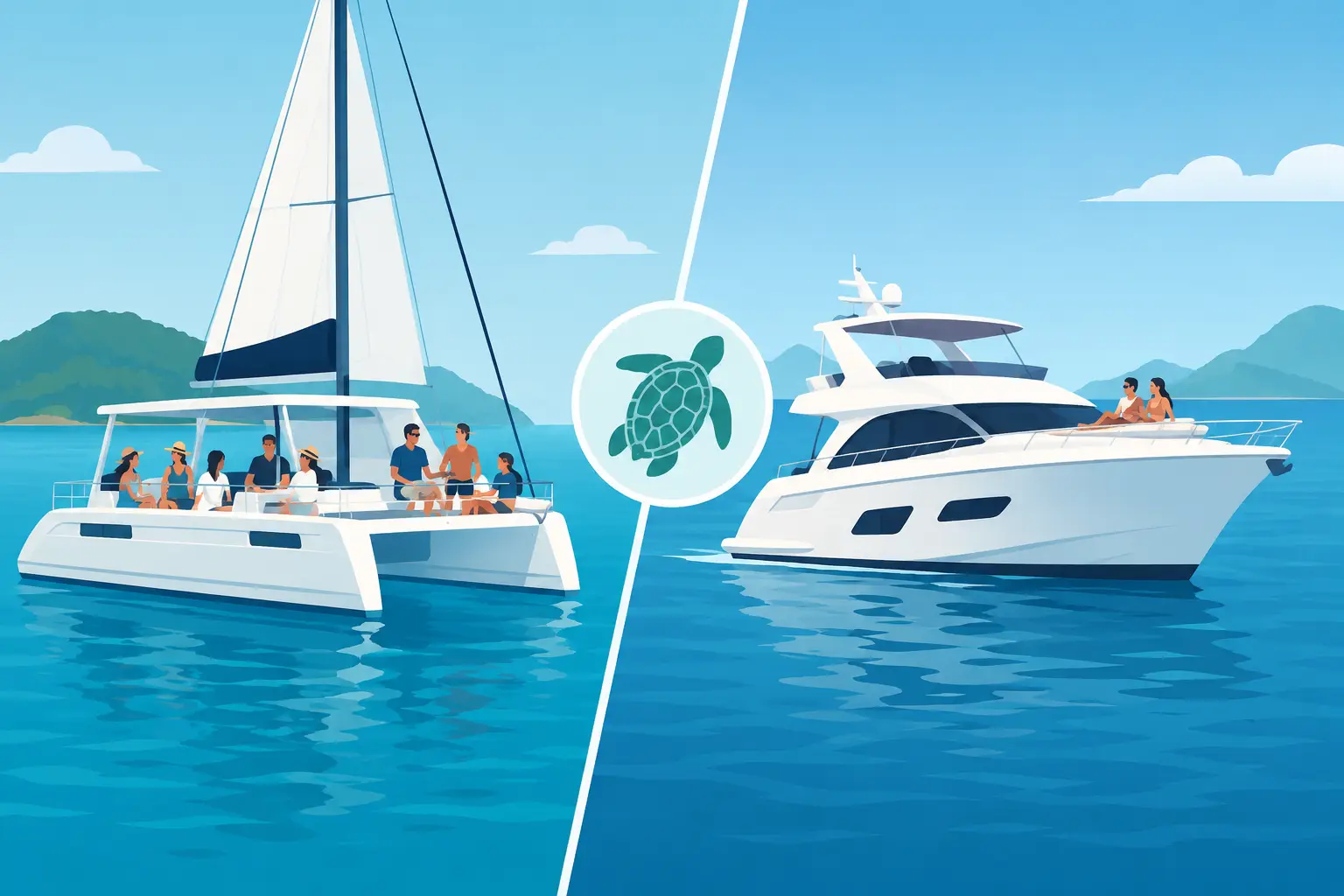
Plan a family beach itinerary in Noumea with easy transport, calm swimming, snorkeling, shade, and enough time for every age to enjoy the lagoon today.
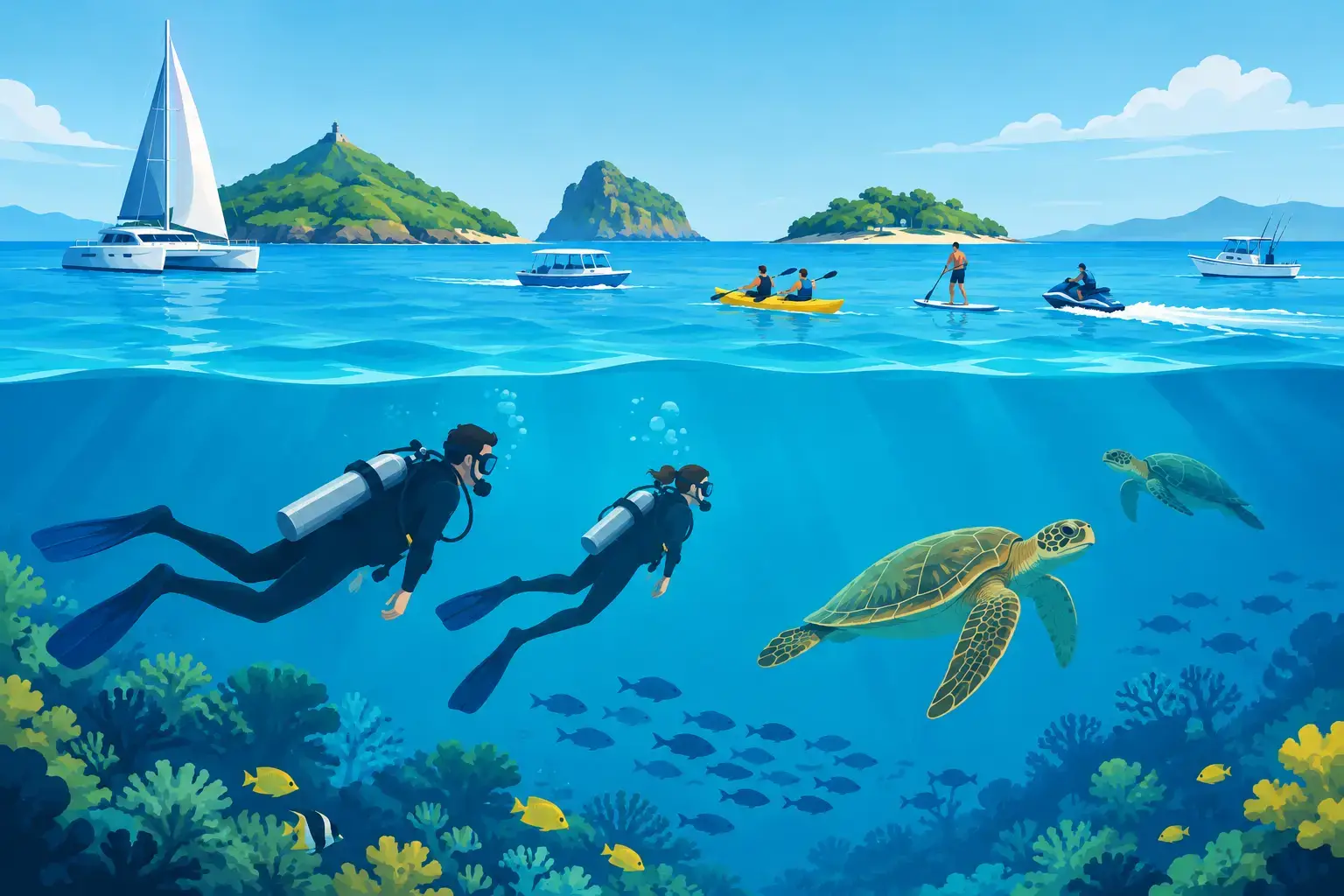
How to Select Scuba Lessons for Your Trip
A first scuba experience should feel exciting before it feels intimidating. Picture yourself slipping into warm, clear water, breathing steadily, and spotting colorful reef life at a pace that feels right for you. Knowing how to select scuba lessons makes that moment far more enjoyable, especially when your vacation time is limited and you want every hour on the water to count.
For cruise guests and short-stay travelers, the best choice is not always the longest course or the lowest price. It is the lesson that matches your confidence in the water, your available time, and the kind of experience you want to take home. A relaxed introductory session can be perfect for one traveler, while another may be ready to start a certification course.
How to Select Scuba Lessons That Fit Your Plans
Start by deciding what you want scuba lessons to lead to. If you have never dived before and simply want to see whether scuba is for you, look for a beginner discovery dive or introductory lesson. These experiences are designed for first-timers and usually begin in shallow, calm water with close instructor supervision. You will learn basic skills, practice breathing with the regulator, and then enjoy a guided underwater experience if conditions and comfort allow.
If your goal is to dive independently on future vacations, a recognized entry-level certification course is the better path. These courses take more time because they include theory, skill practice, and open-water dives. They are a great investment for travelers who want scuba diving to become a regular part of their adventures, but they may not fit a short port call.
There is also a useful middle ground. Some operators offer a short introductory program that counts toward a later certification with the same training organization. Ask exactly what is included and whether there is a time limit for completing the remaining course requirements. Do not assume every beginner lesson transfers into certification.
Match the Lesson to Your Water Confidence
You do not need to be an elite swimmer to try scuba, but you do need to be comfortable in the water and honest about your ability. A good operator will ask about your swimming experience, health, and any anxiety around deep water. These questions are a sign of care, not a test you need to pass perfectly.
For nervous beginners, choose a small-group lesson with plenty of time in shallow water. The ideal instructor explains each step clearly, lets you practice at your own pace, and never makes you feel rushed to descend. You should be able to signal, pause, and ask for help at any point.
Traveling with a teenager, a partner who is less confident, or a mixed-age family? Private or semi-private instruction may be worth the extra cost. It gives the instructor more room to adapt the session and helps everyone feel included rather than pressured to keep up with the strongest swimmer in the group.
Check the Instructor, Group Size, and Safety Standards
The people teaching the lesson matter as much as the destination. Choose a dive center that uses qualified instructors and can clearly explain its safety procedures in language you understand. Travelers should feel comfortable asking which training organization the instructors are affiliated with, how many guests are in each group, and what happens if weather or sea conditions change.
Small groups generally mean more individual attention, which is especially valuable on a first dive. A larger group can still work well when there are enough instructors or dive professionals in the water, but ask how supervision is handled. The answer should be specific, not vague.
Before entering the water, you should receive a proper briefing on equipment, underwater communication, equalizing pressure in your ears, and what to do if you are uncomfortable. You should also practice essential skills in a controlled area. A provider that skips these steps to save time is not the right fit for your vacation.
Watch for simple signs of a well-run operation: clean, well-maintained gear; correctly sized masks, fins, and wetsuits; clear instructions; and staff who check that you understand rather than simply talking at you. Great instructors are calm, patient, and alert. They make safety feel natural, so you can focus on the incredible experience around you.
Choose a Dive Site for Beginners, Not Just Photos
That dramatic reef image may look amazing, but it may not be the best place for your first underwater lesson. Beginners usually benefit from calm water, good visibility, gentle conditions, and a shallow site where they can build confidence gradually. A sheltered lagoon or protected reef can offer plenty of marine beauty without a challenging current or long boat ride.
Ask what you are likely to see, but keep expectations realistic. Marine wildlife is wild, and sightings cannot be guaranteed. Still, a healthy reef can make a first lesson unforgettable with coral gardens, reef fish, rays, and perhaps sea turtles moving through their natural habitat. The experience is often more rewarding when you have enough calm time to look around rather than trying to manage difficult conditions.
In New Caledonia, lagoon conditions can be a wonderful match for beginners, but daily weather always has the final say. A professional operator will adjust the location, timing, or plan when needed. Flexibility is a positive sign because it puts your comfort and safety ahead of a fixed itinerary.
Be Realistic About Time, Transport, and Cruise Schedules
Scuba lessons take longer than snorkeling trips, even when the underwater portion is relatively short. There is paperwork, equipment fitting, a safety briefing, travel to the site, and time to rinse and change afterward. When comparing options, look at the full duration from meeting point to return, not just the minutes listed underwater.
Cruise passengers should choose an experience designed around ship schedules, with clear meeting instructions and a comfortable return buffer. Avoid booking a diving activity that leaves you racing back to the terminal. The best excursion leaves room for the unexpected, including traffic, boat boarding, and changing sea conditions.
Ask whether transportation is included, where you will meet the team, and whether the provider can accommodate hotel guests as well as cruise visitors. Noumea Turtle Island Tours focuses on easy-to-organize marine experiences for visitors who want to spend less time sorting logistics and more time enjoying the lagoon.
Understand the Health Requirements Before You Book
Scuba diving involves pressure changes, so it is not suitable for every traveler at every moment. You will usually complete a health questionnaire before participating. Be open about asthma, heart conditions, ear or sinus issues, recent surgery, pregnancy, medications, or any condition that could affect your ability to dive safely.
A cold, congestion, or ear pain can be enough reason to postpone a dive. It may be disappointing, but forcing it can make equalizing difficult and turn a great day into an uncomfortable one. If you have any medical concern, get advice from a qualified medical professional before booking.
Your travel plan also matters. Do not schedule a scuba dive immediately before flying. Diving providers will advise on the recommended surface interval before air travel based on the type and number of dives planned. Build that buffer into your itinerary instead of treating the lesson as a last-minute activity on departure day.
Compare Value, Not Only the Lowest Price
When you compare scuba lessons, check what the price actually covers. Equipment rental, instruction, transport, certification materials, photos, and small-group supervision may or may not be included. A cheaper option can become less appealing if it excludes key items or offers very little time with an instructor.
Read the description closely for the experience level, minimum age, fitness requirements, group size, and cancellation policy. If something is unclear, ask before booking. A helpful local team should be happy to explain the plan in plain language, whether you are visiting from the United States, Australia, New Zealand, France, or farther away.
The right scuba lesson is the one that leaves you feeling cared for, capable, and thrilled by the water. Give yourself enough time, choose a team that communicates clearly, and let your first breaths below the surface happen at a pace that feels good. That is how a vacation activity becomes an unforgettable ocean memory.

Related Posts