Plan Amedee by Taxiboat with practical advice on timing, what to pack, beach time, snorkeling, and choosing the right transfer for your Noumea vacation.
How to Prepare Children for Reef Snorkeling
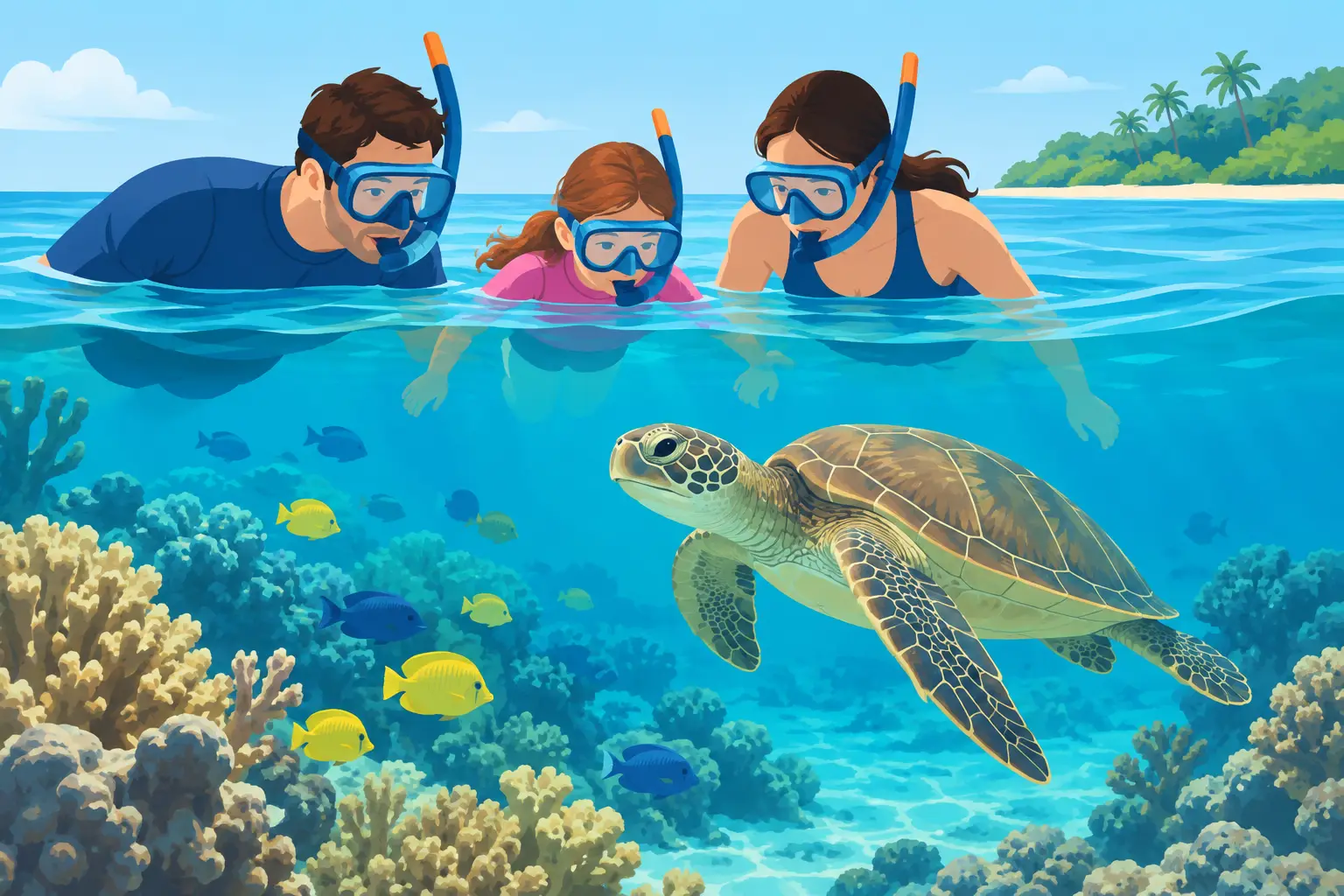
A child’s first glimpse of a bright blue fish slipping between coral can become the moment they talk about for the rest of the trip. The best way to prepare children for reef snorkeling is not to push them straight into deep water, but to make the experience feel familiar, safe, and exciting before the mask goes on.
For families visiting Noumea on a cruise stop or a short holiday, a guided lagoon outing can make this easy. Clear shallows, gentle introductions, and a team that knows the area give children the time they need to settle in and enjoy the view below the surface.
Start With Water Confidence, Not Coral
A child does not need to be a strong swimmer to enjoy a reef snorkeling experience, but they do need to feel calm in the water. Start with an honest assessment of their comfort level. Can they put their face in the water? Can they float while wearing a life jacket? Do they get nervous when waves splash their face?
Practice in a pool, calm bay, or even the shallow edge of the sea before snorkeling day. Let them wear their mask and look underwater while standing where they can easily touch the bottom. A few relaxed minutes of blowing bubbles and spotting shells can do more for confidence than a long lesson.
Avoid telling a nervous child that snorkeling is easy if they are clearly worried. Instead, explain what will happen: they will wear a flotation device, stay close to an adult, and can lift their head out of the water at any time. Giving them permission to stop removes a lot of pressure.
Choose the Right Mask, Snorkel, and Flotation Gear
Poor-fitting gear can turn an amazing marine encounter into a frustrating afternoon. Children’s masks should seal comfortably around the face without being painfully tight. Test the fit on dry land by placing the mask against the face without using the strap. If it lightly stays in place when the child breathes in through their nose, it has a good seal.
A small amount of water inside the mask is normal, especially for beginners. Teach children that it is not an emergency. They can raise their head, adjust the mask, and ask for help. For younger snorkelers, a simple snorkel is often better than a complicated one. The goal is comfort, not technical skill.
A properly fitted life jacket or buoyancy vest is essential. It keeps children afloat, reduces fatigue, and lets them focus on fish rather than staying on the surface. Fins can be fun for confident swimmers, but they are optional for first-timers. In shallow reef areas, fins may feel awkward or can accidentally touch coral if children have not learned how to use them.
Bring a rash guard or sun-protective swim shirt as well. The tropical sun reflects strongly from the water, and children can burn faster than families expect. Reef-safe sunscreen is helpful on exposed skin, but shade, clothing, and timed breaks are just as important.
Explain Reef Rules Before Getting in the Water
Children are usually excellent reef visitors when they understand why the rules matter. Rather than saying, “Don’t touch anything,” make it more memorable: the coral is a tiny animal city, and our job is to visit without damaging anyone’s home.
Before entering the water, cover three simple habits. Look with your eyes, keep your hands to yourself, and float above the reef. Coral can be fragile even when it looks like rock, and touching marine life can harm animals or create a risk for the child. Sea urchins, jellyfish, and sharp coral are good reasons to maintain a little space.
Children should also know never to chase turtles, fish, or rays. If a sea turtle appears, it is an unforgettable moment precisely because it is wild and free. Stay quiet, give it room, and let it choose where to swim. A respectful encounter is better than a rushed photo opportunity.
It helps to mention that some things on the reef may look unusual. Sea cucumbers, giant clams, striped fish, and swaying coral can surprise young snorkelers at first. When they know they may see fascinating creatures, surprises become discoveries rather than scares.
Keep the First Snorkel Short and Positive
The first session does not need to last an hour. Ten or fifteen happy minutes in calm water can be a huge success. End while your child is still curious and comfortable rather than waiting until they are cold, tired, or overwhelmed.
Children often need a little time to adjust to breathing through a snorkel. Some prefer to hold a parent’s hand, rest one hand on a flotation board, or swim beside a guide. That is completely fine. The best family snorkeling experiences move at the child’s pace.
If they do not want to put their face in the water, they can still enjoy the day from the beach, a boat, or the shallows. There is no prize for forcing a full snorkel. A child who watches fish from knee-deep water today may be the confident explorer leading the way on the next vacation.
Plan breaks for water, snacks, shade, and a quick check-in. Ask open questions such as, “What did you like seeing?” rather than, “Are you ready to go farther?” Their answer will tell you whether to continue, stay shallow, or take a longer break.
Use a Buddy System Every Time
Every child should have a designated adult snorkeling buddy. In a family group, do not assume everyone is watching everyone. Choose who stays closest to each child before entering the water, especially if ages and confidence levels vary.
Stay within arm’s reach of beginners. Calm lagoons can still have small currents, boat movement, changing tides, or areas where the bottom drops away more quickly than expected. A guide can point out the safest route, but parents and guardians remain the child’s most reassuring familiar face.
Agree on simple signals before you start. A thumbs-up can mean “I’m okay,” a hand raised can mean “I need help,” and pointing toward shore or the boat can mean “I want a break.” Children should also know that they can speak at any time by lifting their head out of the water.
On an organized excursion, listen carefully to the safety briefing, even if your family has snorkeled before. Conditions can change from one beach or island to another. Local guides understand where the reef begins, which areas are best for beginners, and how to enjoy wildlife respectfully.
Set Expectations for Sea Turtles and Other Wildlife
Many families dream of seeing a turtle, particularly in the warm lagoon waters around New Caledonia. It is worth explaining that wildlife sightings can never be guaranteed. That small conversation helps children appreciate the entire reef rather than treating one animal as the only goal.
Turn the outing into a gentle treasure hunt. Look for schools of small fish, colorful coral shapes, sea stars from a respectful distance, and patterns in the sand. Give children a few things to notice: which fish swim alone, which move in groups, and where the brightest colors appear.
If a turtle does appear, keep the group calm. Do not swim directly toward it or surround it. Float quietly to one side, avoid blocking its path to the surface, and let your guide advise on appropriate distance. These are the kinds of respectful moments that make a wildlife experience feel truly special.
Pack for Comfort, Not Just the Water
The snorkel itself may be short, but a comfortable child enjoys the whole island day. Pack dry clothes, a towel, sun protection, drinking water, and easy snacks. A light cover-up helps after swimming, especially if there is a breeze on the boat ride back.
If your child gets motion sickness, plan ahead before a taxi boat or catamaran transfer. Sitting where they can see the horizon, eating lightly beforehand, and asking a medical professional about suitable options can help. This is one of those details that depends on the child and the sea conditions, but it is worth considering before departure.
Waterproof cameras can be fun, though they are not essential. Younger children often enjoy the experience more when they are not asked to capture every fish. Take a few family photos before or after the snorkel, then let the underwater memories belong to them.
Make It Easy With a Guided Family Outing
A guided excursion removes much of the planning that can make a short port day feel rushed. Noumea Turtle Island Tours can help families reach beautiful lagoon areas with organized transport, local guidance, and a clear plan for the day. For cruise guests especially, having pickup coordination and a set return schedule means less time worrying about logistics and more time enjoying the water.
When choosing an outing, ask whether the snorkeling location has calm, shallow areas suitable for children, whether flotation equipment is available, and how much time is planned for swimming. A trip designed for confident adult snorkelers may not be the best match for a six-year-old who is trying a mask for the first time.
The goal is not to see everything in one outing. It is to give your child a safe, joyful first look beneath the surface – one that leaves them asking when they can snorkel again.

Related Posts