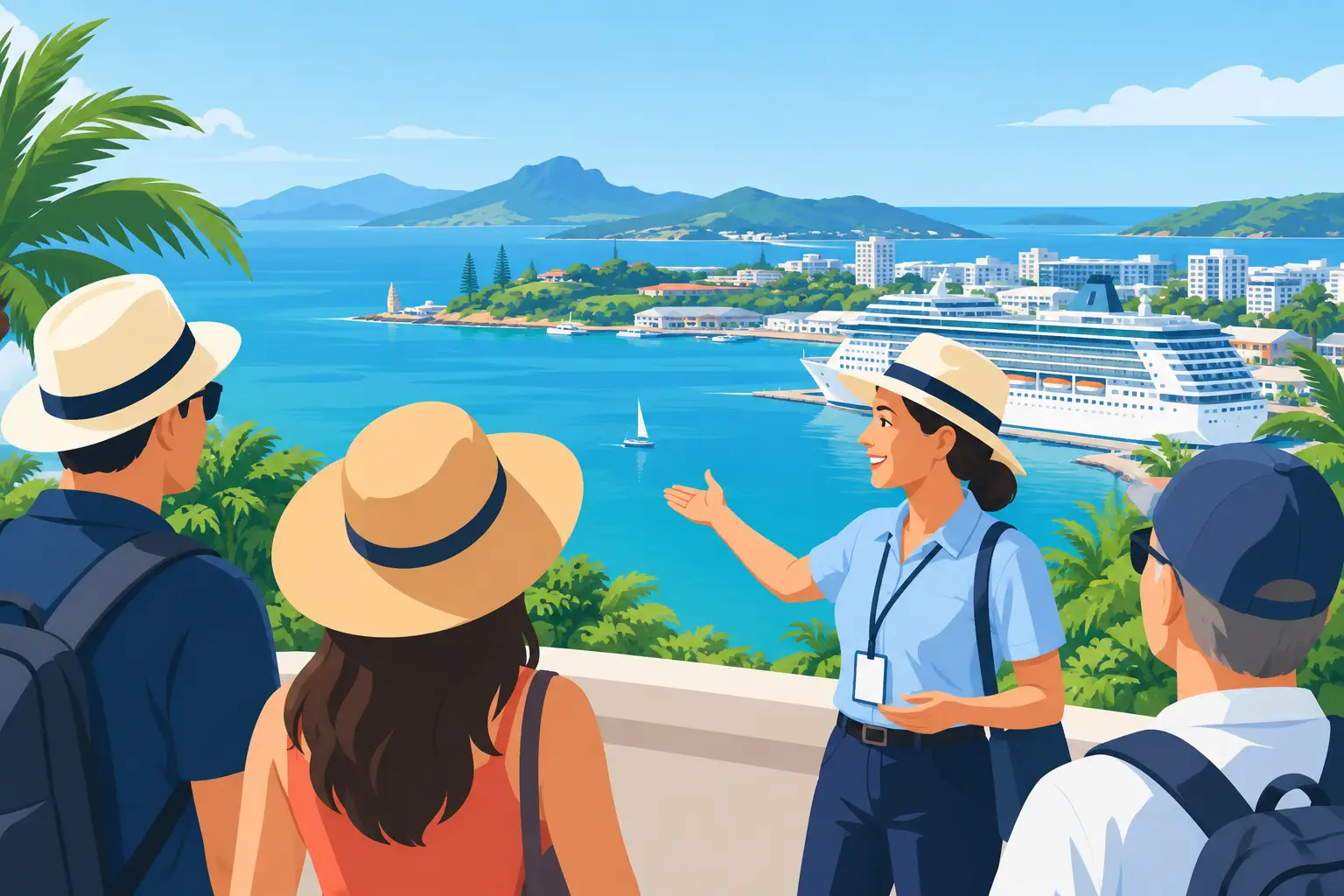
Hotel pickup versus taxi in Noumea: compare cost, timing, comfort, and cruise-port convenience before your beach, island, snorkeling, or city tour plans.
Snorkeling Equipment Rental for Noumea Days
The water can look impossibly clear from Noumea’s shoreline, but a great lagoon day starts before you step into it. Snorkeling equipment rental gives cruise visitors and short-stay travelers an easy way to enjoy coral, tropical fish, and possible turtle sightings without packing a mask, fins, and snorkel from home. The right rental setup saves precious time in port and lets you focus on the part you came for: a beautiful island experience.
For many visitors, renting equipment as part of a guided outing is the simplest choice. Transport, timing, and a place to snorkel are organized together, leaving you free to enjoy the white sand, warm lagoon, and marine life.
Why rent snorkeling gear in Noumea?
Traveling with snorkeling gear sounds convenient until you are managing luggage limits, a cruise cabin, wet equipment, or a tight transfer schedule. A mask can crack in transit, fins take up room, and buying gear for one afternoon may not make sense. Rental gear is especially practical when your time in Noumea is limited and you want to get from the cruise terminal to the water without extra errands.
It also gives you flexibility. You may want a relaxing beach day with a short snorkel close to shore, or you may prefer an island excursion where the lagoon is part of the experience. Renting locally means you can choose equipment that suits the day rather than committing to what fit into your suitcase.
That said, travelers who snorkel often and already own a mask that seals perfectly may prefer to bring it. A familiar mask can feel more comfortable, particularly for anyone with a narrow or wide face shape. Many guests find a useful middle ground: bring a personal mask if desired, then rent fins and use the excursion’s snorkel gear.
What snorkeling equipment rental should include
A basic set usually includes a mask, snorkel, and fins. Before you leave the dock or beach, take a moment to check each piece. This small step can prevent an uncomfortable swim and make more time for the lagoon.
A mask that seals comfortably
Your mask should sit gently against your face without feeling painfully tight. To test the seal, hold the mask against your face without using the strap and breathe in lightly through your nose. If it stays in place for a moment, the fit is promising. Facial hair, sunscreen around the seal, or hair caught beneath the silicone can cause leaks, so make quick adjustments before entering the water.
A little water inside the mask is normal, even with a good fit. Ask your guide or rental team for a quick mask-clearing demonstration if you are new to snorkeling. It is an easy skill, and knowing it helps beginners feel much more relaxed.
A clean, comfortable snorkel
Ask how the snorkel is cleaned and stored between uses. Reputable operators should provide sanitized equipment and make hygiene a straightforward part of their preparation. The mouthpiece should feel comfortable, with no rough edges or damage.
Some snorkels are designed to reduce splashing from surface water. They can be helpful on breezier days, but no snorkel keeps every drop out. If water enters the tube, stay calm, lift your head, and clear it as instructed by your guide.
Fins in the right size
Fins should feel secure without squeezing your toes or rubbing your heel. A pair that is too loose can slip off, while fins that are too tight can turn a short swim into a painful one. Try walking a few careful steps on sand or a flat surface before getting in the water.
Fins are excellent for moving efficiently with less effort, but they are not always essential for every swimmer. In very shallow areas, you may be asked to remove them to avoid accidentally touching coral. Follow local guidance on where and when to wear them.
Optional comfort items
Depending on the tour and conditions, you may also be offered a flotation device, wetsuit top, rash guard, or prescription mask. A flotation aid is not only for non-swimmers. It can help confident swimmers relax at the surface and observe marine life without constantly treading water.
A rash guard is useful for sun protection and added comfort, especially if you plan to spend a long time in the water. Even when the lagoon feels refreshing, the New Caledonian sun can be strong.
Choose an excursion that makes the rental easy
The best snorkeling day is not simply about having gear. It is about reaching a suitable spot at the right time, understanding conditions, and having support nearby. For cruise passengers, a transport-inclusive island trip is often the most stress-free option because departure points and return times are planned around the day ashore.
Look for clear information about what is included. Does the trip provide the full mask, snorkel, and fin set? Is a life jacket or flotation device available? How much free time is planned for swimming and the beach? Are beginners welcome? These details matter more than a long list of promises.
Guided outings can be a particularly good fit for families, first-time snorkelers, and visitors who want to make the most of a short port call. Local crews know how to direct guests toward appropriate swimming areas and can explain the practical rules that protect both people and the reef. Noumea Turtle Island Tours is designed around this kind of easy, marine-focused island day, with convenient coordination for visitors arriving near the cruise terminal.
Weather also matters. A sunny forecast does not always mean calm water, and wind can affect visibility and comfort. A good operator will assess the conditions and advise guests honestly. Sometimes the best choice is a sheltered swim, a shorter snorkeling session, or more time enjoying the beach. That is not a disappointing compromise – it is how a well-run day stays enjoyable and safe.
Get ready before you enter the lagoon
Arrive ready to swim, but do not put your mask on until you are near the water. Apply reef-conscious sunscreen well before entering, then let it absorb. Better still, cover up with a rash guard, hat, and lightweight shirt when you are out of the water. Physical sun protection lasts longer than relying on sunscreen alone.
Keep your essentials simple: swimwear, a towel, water, dry clothes, and a secure way to protect your phone. If you wear glasses, ask in advance whether prescription mask options are available. Contact lens wearers can often snorkel comfortably, but should take extra care not to lose a lens if water enters the mask.
If you have never snorkeled, tell the crew. There is no prize for pretending you are experienced. A few minutes of coaching on breathing through the snorkel, floating face-down, and clearing your mask can change the whole experience. Start in shallow, calm water where you can stand if needed, then move farther out only when you feel comfortable.
Snorkel around turtles and coral with care
Seeing a sea turtle in its natural habitat can be the unforgettable moment of a Noumea lagoon visit. It also comes with a responsibility: give wildlife space. Never chase, touch, feed, block, or surround a turtle. Stay calm at the surface, keep your movements smooth, and let the animal decide where it wants to go.
The same principle applies to coral. Coral may look like rock, but it is living and fragile. Avoid standing on it, holding it, or kicking it with fins. Keep your body horizontal in the water and watch your fin tips, especially in shallow sections. If the current or depth makes that difficult, move to a sandy area instead.
Do not collect shells, coral pieces, or marine animals as souvenirs. The best souvenir is the memory, along with photos taken from a respectful distance. If you bring an underwater camera, secure it with a wrist strap and spend part of the swim simply looking around rather than viewing the lagoon through a screen.
Make the most of your time ashore
For a cruise stop, timing is everything. Confirm where you need to meet, how long transfers take, and when you must be back at the terminal. Choose an excursion with a comfortable return buffer rather than planning every minute tightly. Lagoon days are more fun when you are not checking the clock every five minutes.
Eat a light meal and drink water before swimming, especially after travel. Avoid snorkeling alone, even if the water appears calm. Stay aware of boats, follow marked swimming areas, and listen when guides call everyone back in. These simple habits allow the day to stay easy, social, and memorable.
A well-fitted mask, clean snorkel, and comfortable fins can turn a free afternoon into a real island highlight. Pick an experience that handles the practical details, move gently through the lagoon, and leave room in the day to enjoy the beach after your swim. The turtles and turquoise water are worth taking your time for.

Related Posts