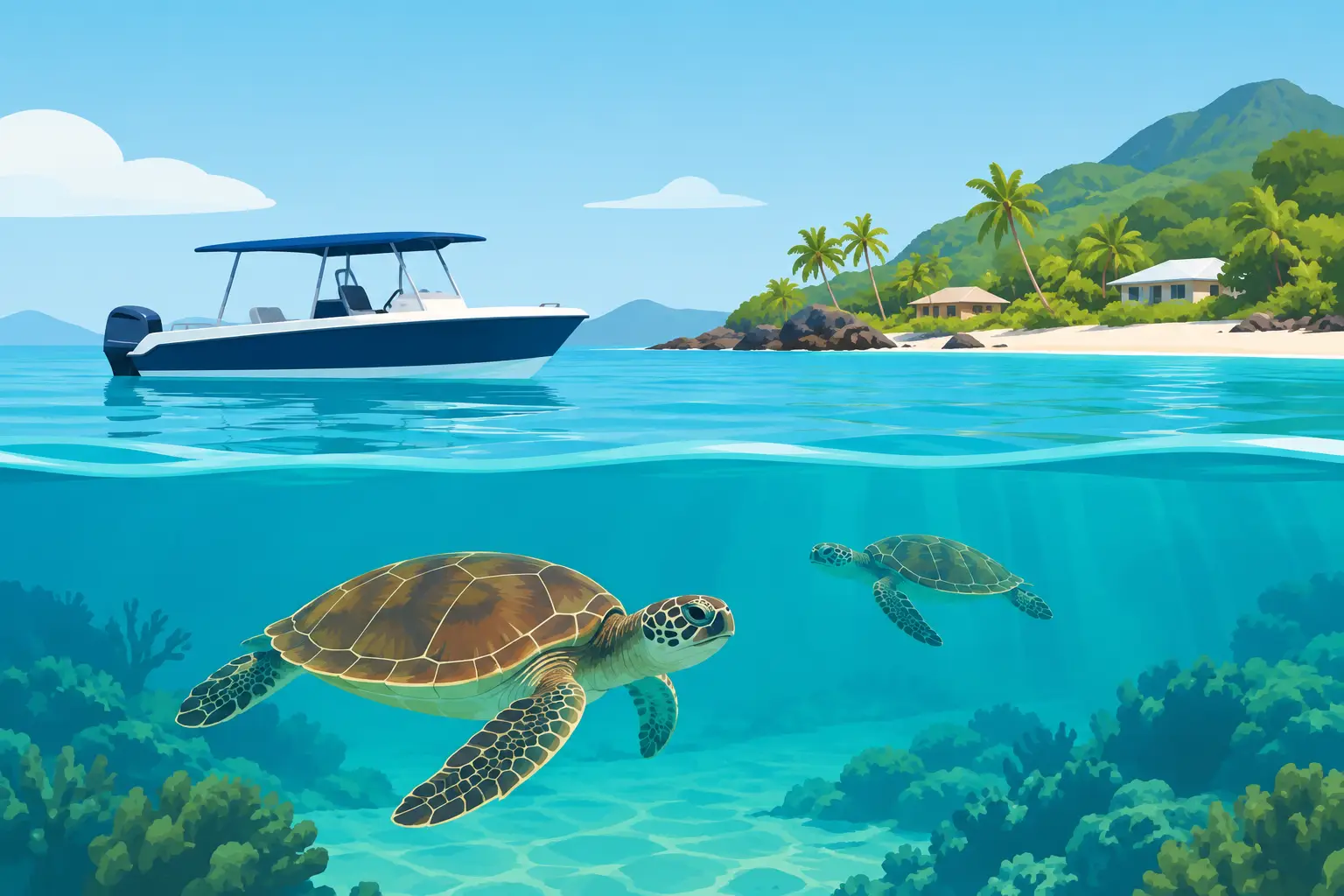
Plan Amedee by Taxiboat with practical advice on timing, what to pack, beach time, snorkeling, and choosing the right transfer for your Noumea vacation.
8 Reef Safe Snorkeling Tips That Matter
That perfect snorkeling moment usually happens when everything goes quiet – the water clears, a turtle glides past, and the reef is alive with color. The best reef safe snorkeling tips are not complicated, but they do make a real difference. If you want brighter coral, better wildlife encounters, and a more enjoyable time in the water around Noumea, a few smart habits matter from the moment you pack your bag.
For many travelers, especially on a cruise stop or short island visit, snorkeling feels simple enough to do without much planning. In reality, small choices shape the experience. The sunscreen you wear, how you enter the water, where you place your feet, and even how you follow your guide can help protect the lagoon and make your outing smoother, safer, and more memorable.
Why reef safe snorkeling tips matter in Noumea
Noumea is famous for its clear lagoon, protected marine areas, and easy access to beautiful snorkeling spots close to shore and offshore islands. That convenience is part of the magic. It also means popular areas can see a lot of visitors, especially during cruise season and holiday periods.
Coral reefs are living systems, not rocks. They grow slowly, react badly to stress, and recover far more slowly than most people expect. One accidental fin kick might seem minor, but repeated contact from thousands of visitors can break coral, stir up sediment, and reduce the health of the reef over time.
The good news is that reef-friendly behavior also tends to improve your own experience. When you move calmly, keep your distance, and avoid disturbing the environment, fish stay relaxed, visibility stays better, and you are more likely to enjoy those unforgettable wildlife moments people come to New Caledonia for.
Start before you get in the water
A reef safe snorkeling trip begins on land. The easiest win is choosing sun protection carefully. Mineral-based sunscreen is often a better option around coral areas, especially if you apply it properly and give it time to absorb before swimming. Better yet, when the weather allows, rely more on physical coverage like a rash guard, swim shirt, or leggings. That usually protects you longer than sunscreen alone and cuts down on product washing into the sea.
Fit matters too. If your mask leaks or your fins are too big, you are more likely to stand up, kick awkwardly, or reach for coral to steady yourself. A comfortable mask, a snorkel that feels easy to breathe through, and fins that stay secure can reduce a lot of unnecessary contact.
It is also worth listening closely during the briefing, even if you have snorkeled before. Conditions vary by tide, wind, current, and beach access. A spot that feels easy on a calm morning may be very different later in the day. Local advice saves time and usually helps you avoid the most common mistakes.
Keep your body horizontal and your feet up
If there is one habit that protects reefs more than almost anything else, it is staying horizontal in the water. New snorkelers often angle downward and start bicycling their legs, which sends fins into coral heads or sand patches. A flatter position keeps your fins away from the reef and helps you move with less effort.
This is especially important in shallow areas. Coral can sit much closer to the surface than it appears, particularly in bright tropical light. Water can magnify depth in a misleading way, so give yourself more space than you think you need.
If you need to adjust your mask or rest for a moment, float calmly where the bottom is sandy and clear, or signal to your guide. Standing up wherever you happen to be is one of the fastest ways to damage fragile reef structures. It is also a common way to surprise yourself on sea urchins or rough coral.
Move slowly for better wildlife encounters
Fast movement tends to scare marine life away. Slow finning, quiet breathing, and gentle direction changes usually bring better results than chasing anything you want to see. Sea turtles, reef fish, and other lagoon residents are much more enjoyable to watch when they are behaving naturally.
There is a practical benefit here too. Slower snorkeling uses less energy. For short-stay visitors trying to make the most of a half-day outing, that means more time in the water and less chance of tiring early.
Never touch coral, turtles, or anything else
This sounds obvious, but it is the rule people break most often without meaning to. Coral can be damaged by a brush of the hand, a fin tip, or a knee placed down for balance. The protective coating on many marine animals is just as delicate.
Turtles are a special example. Seeing one in the lagoon is a highlight for many visitors, but it is best to enjoy that moment from a respectful distance. Following too closely, blocking its path to the surface, or trying to swim beside it for a photo can create stress even when the animal looks calm.
The same goes for shells, starfish, and anything that looks harmless enough to pick up. What belongs underwater should stay underwater. Besides protecting the environment, leaving things in place keeps the snorkeling area looking natural for the next group of happy travelers.
Watch where you enter and exit
A lot of reef damage happens at the shoreline rather than out on the main snorkeling route. Rocky entries, coral rubble, and shallow flats can be awkward, especially if there is a little swell or you are wearing fins too early.
If your guide indicates a sandy channel, use it. Entering where the bottom is already clear reduces the chance of stepping on coral or slipping onto it. When conditions are choppy, take your time. Rushing into the water rarely saves time and often leads to exactly the kind of scrambling that harms the reef.
Exits deserve the same care. Many people get tired at the end of a snorkel and become less aware of their feet and fins. That is when accidental contact is most likely. A calm, guided exit is better than trying to cut across a shallow patch just because it looks closer.
Reef safe snorkeling tips for families and first-timers
Families and beginner snorkelers can absolutely enjoy the reef responsibly. In fact, guided snorkeling is often the easiest way to do it well. A clear briefing, the right flotation support, and help choosing calm entry points remove most of the guesswork.
For kids, confidence changes everything. A child who feels secure in a flotation vest is much less likely to panic, stand up, or grab at the bottom. Adults should think the same way. There is no downside to using extra support if it helps you float comfortably and keep your body position correct.
First-timers often worry that reef-safe behavior will make snorkeling feel restrictive. Usually the opposite happens. Once you stop fighting the water and start moving more gently, the whole experience becomes easier and more fun. You notice more fish, stay out longer, and come back with better memories than if you spent the whole time correcting gear or touching down in the shallows.
Choose tours and operators that respect the lagoon
Not every snorkeling experience is set up the same way. If you are booking limited time in port, look for operators that give practical briefings, know local conditions, and build the outing around safe access rather than just speed. Good planning on shore often leads to a better experience in the water.
That is especially useful in a destination like Noumea, where visitors want to combine easy logistics with beautiful reef time. Operators such as Noumea Turtle Island Tours focus on organized access, local knowledge, and short-format marine experiences that help travelers enjoy the lagoon without wasting precious hours figuring everything out themselves.
It also helps to choose the right site for the day instead of insisting on one spot no matter the weather. Sometimes the most famous location is not the best one if visibility drops or wind picks up. A flexible plan usually delivers a better snorkeling session and less pressure on a single busy area.
Take only photos, and take them carefully
Underwater photos are part of the fun, but cameras can make people forget their position in the water. It is common to see snorkelers drift downward while trying to frame a fish or turtle, then realize too late that their fins are brushing the reef behind them.
If you bring a camera, pause first. Check your distance from the bottom, level your body, and then take the shot. Skip the urge to get closer and let the subject come to you if it wants to. You may get fewer photos, but they are usually better because the marine life is acting naturally instead of reacting to your presence.
There is also value in not photographing every second. Some of the best moments in the lagoon are the ones you simply watch.
Leave the reef better by the way you behave
Good snorkeling etiquette has a ripple effect. When one person gives turtles space, uses sandy entry points, and avoids standing on coral, others tend to follow. That matters in busy marine destinations where visitors from all over the world share the same small areas of reef.
If you see litter floating by and can safely collect it, that is helpful. If you notice someone drifting too close to coral, a polite word may help more than you think. Reef protection is not only about official rules. It is also about the everyday habits travelers bring with them.
The most memorable snorkeling trips are rarely the loudest or the busiest. They are the ones where the water stays clear, the wildlife stays calm, and the reef looks as alive when you leave as it did when you arrived. That is the real payoff of reef safe snorkeling tips – a better experience for you now, and a healthier lagoon waiting for the next amazing day on the water.

Related Posts