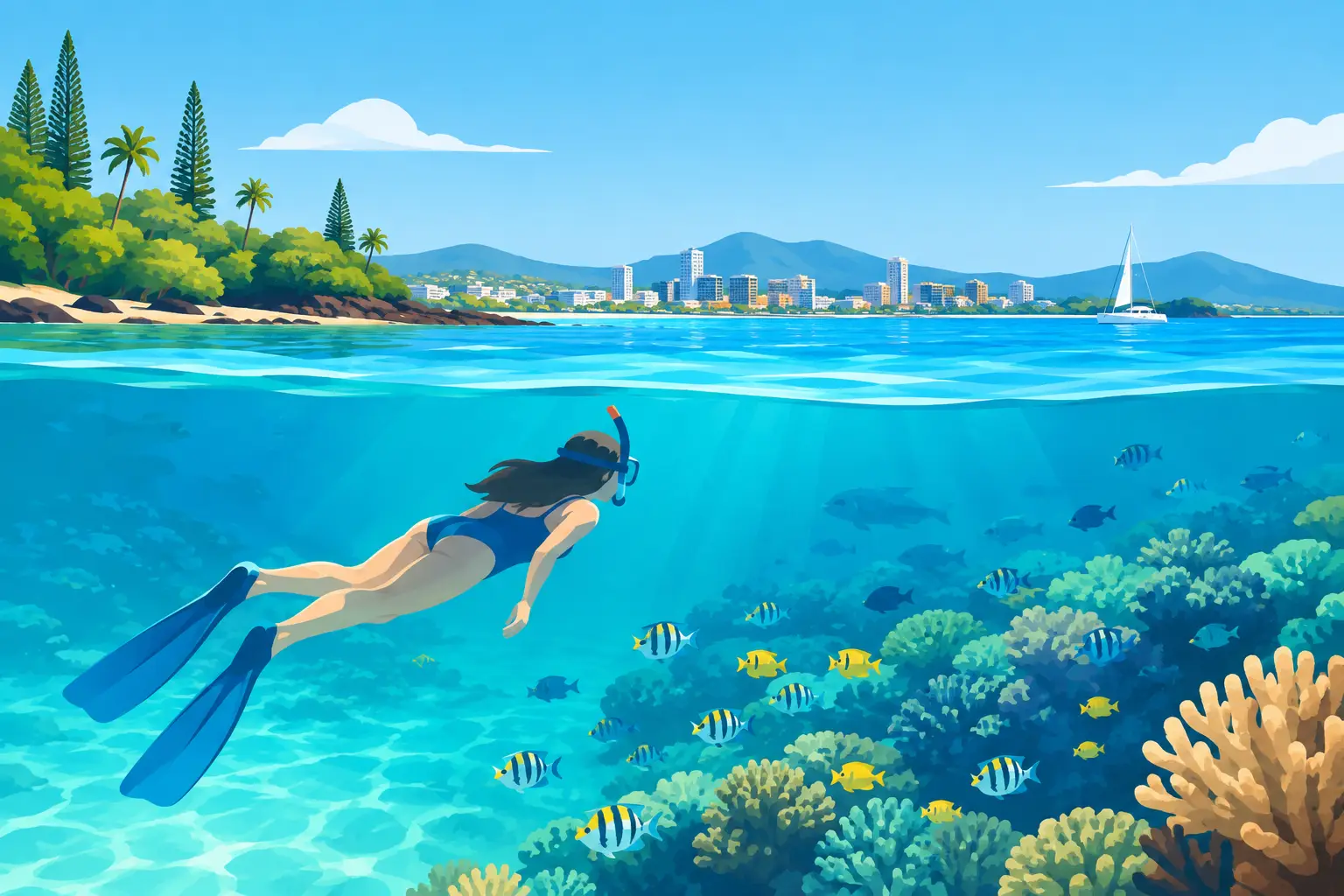
Find the best accessible snorkeling sites near Noumea, with easy boat transfers, calm lagoon water, and practical tips for cruise visitors and families.
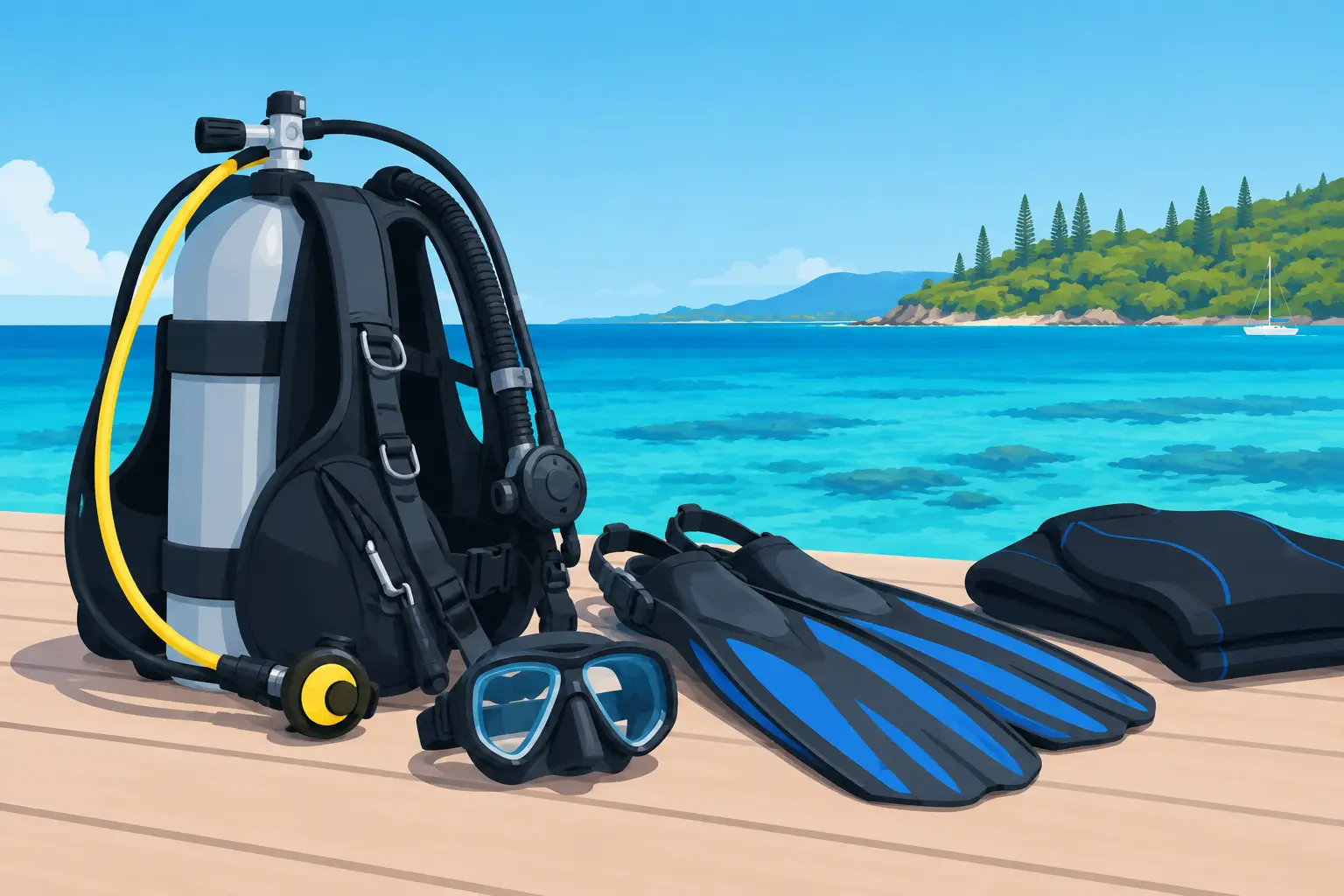
How to Prepare Scuba Gear for Noumea Waters
The first glimpse of Noumea’s bright lagoon can make anyone want to get in the water immediately. But a great scuba day starts before the boat leaves the dock. Knowing how to prepare scuba gear, paperwork, and your body helps you spend less time worrying and more time enjoying coral gardens, colorful reef fish, and the clear waters of New Caledonia.
For cruise guests and short-stay visitors, preparation matters even more. Your time in port is limited, and a few smart checks can make the difference between a rushed morning and an unforgettable underwater experience.
Start With the Right Type of Dive
Before packing anything, confirm whether you are joining a certified scuba dive or a beginner discovery experience. Certified divers generally need to show proof of certification and may be asked about their recent dive experience. A discovery dive is designed for guests who have never dived before, with an instructor explaining the equipment and guiding the experience closely.
Be honest about your experience level, comfort in the water, and any time since your last dive. If it has been a while, a refresher or a slower, guided dive may be the best choice. The goal is not to prove anything. It is to feel comfortable enough to notice the small details that make Noumea’s lagoon special.
If you have a medical condition, take prescription medication, are pregnant, or have recently had surgery, speak with a qualified medical professional before booking. Scuba diving places specific demands on the body, and your dive operator may also ask you to complete a health questionnaire before entering the water.
How to Prepare Scuba Gear Before Your Tour
Most visitors joining a guided scuba excursion can rent the main equipment: mask, fins, wetsuit, buoyancy control device, regulator, weights, and tank. That makes planning simple, especially if you are arriving from a cruise ship or traveling light. Still, it is worth checking what is included when you book so there are no surprises at the dock.
Certified divers who bring personal equipment should inspect it well before the tour. Check that your mask strap is not cracked, your fins fit securely, and your dive computer is charged. Test your regulator and inflator hose according to the manufacturer’s instructions, and make sure your certification card is easy to access. If a piece of equipment has not been serviced recently or looks damaged, leave it behind and use properly maintained rental gear instead.
A personal mask can be a nice addition because fit matters. A mask that leaks can distract you from an otherwise beautiful dive. Try it on without using the strap: it should stay gently against your face when you breathe in through your nose. Avoid applying sunscreen to the inside of the lens, and use an appropriate defog product before the dive.
You do not need to overpack. Bring a towel, reef-safe sunscreen, a swimsuit, dry clothes, and a secure way to protect your phone and valuables. If you wear glasses, ask in advance about prescription mask options. Contact lenses are often fine for many divers, but it is sensible to discuss your individual situation with a dive professional.
Plan Your Morning Around the Water
A relaxed dive begins with a calm morning. Eat a light meal that gives you energy without leaving you uncomfortable on the boat. Drink water regularly, especially in Noumea’s warm tropical conditions, but do not arrive overly full or dehydrated.
Avoid alcohol before diving and the night before if it affects your sleep, hydration, or judgment. Good rest is just as valuable as the gear in your bag. A late night on the ship can be tempting, but you will enjoy the reef far more when you are alert and well rested.
Arrive early at the meeting point. Cruise passengers should allow extra time to disembark, walk to the pickup area, and meet their guide. Noumea Turtle Island Tours is conveniently positioned for travelers looking for organized marine experiences close to the cruise terminal, but it is still wise to follow the meeting instructions carefully and keep your booking confirmation available.
Weather and sea conditions can change, so stay flexible. A responsible operator may adjust the route, departure time, or dive site to protect guest safety and maximize visibility. The lagoon offers many beautiful possibilities, and the best location on the day depends on wind, swell, current, and conditions beneath the surface.
Listen Carefully to the Dive Briefing
Even experienced divers should pay close attention to the briefing. Your guide will cover the boat layout, entry and exit methods, planned depth, expected conditions, hand signals, buddy procedures, and what to do if you become separated from the group.
This is also the moment to mention anything that may affect your comfort. Tell the team if you are nervous, have trouble equalizing your ears, prefer extra help with equipment, or have not dived recently. A good guide wants to know before the dive, not after you are already in the water.
When setting up your equipment, move slowly and use the buddy check offered by the team. Confirm that your tank is open, your regulator delivers air smoothly, your buoyancy control device inflates and deflates, and your weights are secure. Do not feel rushed by other guests. A careful five minutes on the boat supports a much more relaxed experience underwater.
Protect the Lagoon While You Explore It
Noumea’s lagoon is a place to admire, not touch. Good buoyancy control keeps you from accidentally kicking coral or stirring up sand, which also improves visibility for everyone. Keep your hands to yourself around coral, shells, and marine life, even when something looks close enough to reach.
Sea turtles are one of the most exciting sights in these waters. If you are lucky enough to see one, stay calm, give it plenty of space, and let it choose where to swim. Never chase, feed, block, or ride marine animals. A quiet observer often gets the most memorable encounter because wildlife is more likely to behave naturally.
Choose reef-safe sunscreen, apply it before leaving for the water, and wear a rash guard or cover-up when practical. Reduce single-use plastic where you can, keep snacks and wrappers secured on the boat, and take every item you bring back with you. Small choices help keep the lagoon clear for the next group of visitors and the marine life that calls it home.
Know the Rules After the Dive
The fun does not end when you climb back onto the boat, but your diving decisions still matter. Follow your guide’s advice about flying after scuba diving. The right waiting period depends on factors such as the number of dives, depth, and your dive profile. Cruise guests should also consider onboard activities and travel plans, rather than scheduling another demanding water activity immediately after diving.
Drink water, eat something light, and allow yourself time to warm up and relax. If you feel unwell, unusually tired, dizzy, or have any symptoms that concern you after the dive, tell the crew right away and seek appropriate medical advice. Do not dismiss discomfort simply because you want to keep the day moving.
A camera can be a wonderful way to remember the experience, but it should never distract from your buddy, air supply, or surroundings. If this is your first time diving in a new destination, consider leaving the photos to the guide and letting your eyes enjoy the moment.
The best preparation is simple: arrive rested, be honest about your experience, listen to your guide, and bring a sense of curiosity. Then, when the boat reaches the lagoon and the water turns impossibly blue around you, you will be ready to enjoy every unforgettable minute below the surface.

Related Posts