Plan Amedee by Taxiboat with practical advice on timing, what to pack, beach time, snorkeling, and choosing the right transfer for your Noumea vacation.
Are Noumea Turtle Tours Safe for Cruise Guests?
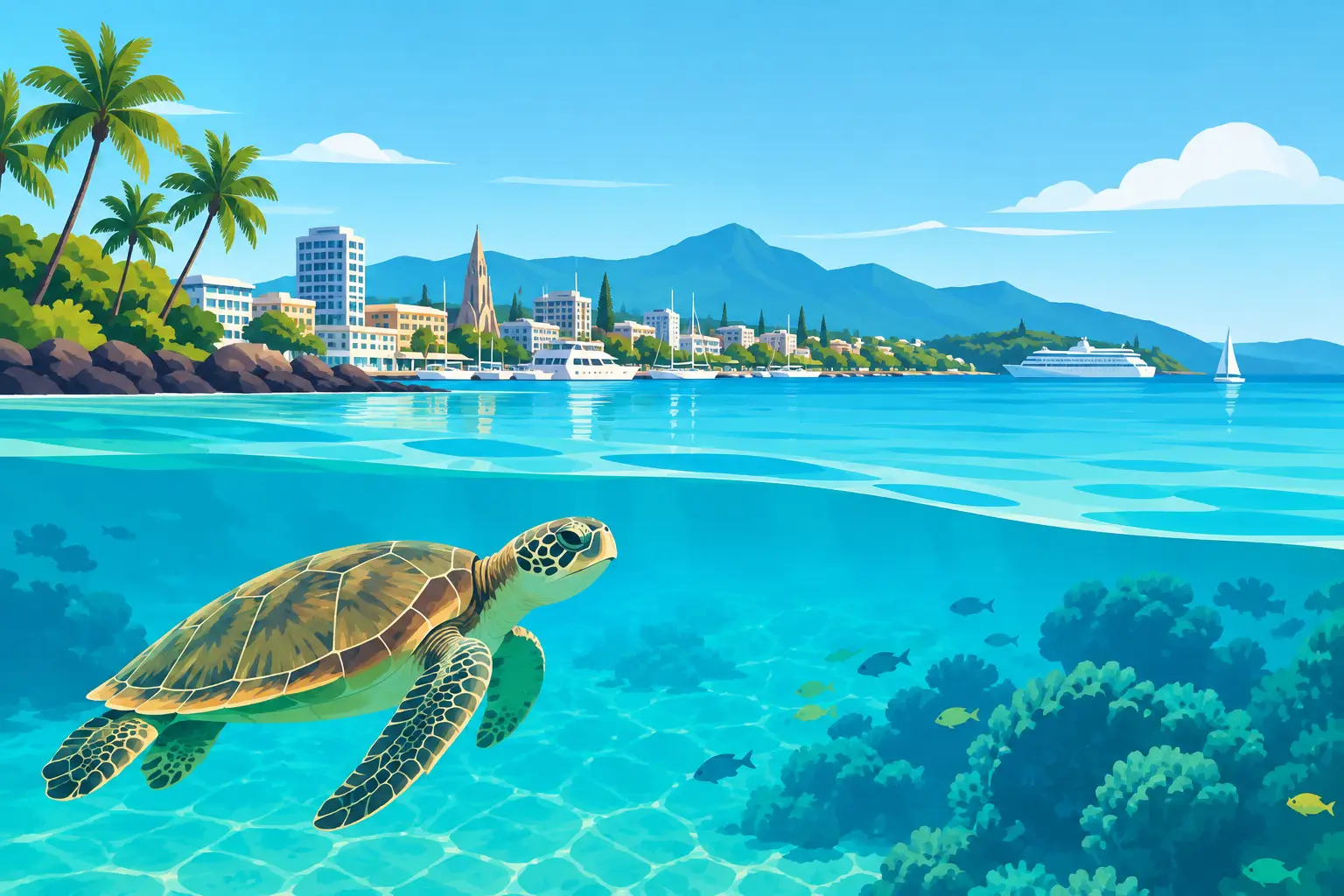
A turtle lifting its head above the clear lagoon is one of those Noumea moments that stays with you long after your cruise or vacation ends. But before booking, many travelers understandably ask: are Noumea turtle tours safe? For most guests, a professionally organized tour is a safe and enjoyable way to experience the lagoon, provided you choose an appropriate trip, listen to your crew, and respect the changing conditions of the sea.
Noumea is surrounded by an extraordinary lagoon, beaches, reefs, and islands. That beauty comes with real marine conditions: boat travel, sun exposure, currents, uneven shore entry, and wildlife that should be observed from a respectful distance. The right tour makes these details manageable, especially for visitors with limited time in port.
What Makes Noumea Turtle Tours Safe?
Safety is not just about whether you can see turtles. It starts before the boat leaves the dock. A well-run turtle experience considers the weather, sea state, route, group needs, equipment, and time available to return cruise guests to the terminal with a comfortable margin.
Experienced local crews know that a calm morning can change later in the day. They monitor conditions and may adjust a route, snorkeling location, departure time, or activity plan when the lagoon is less suitable. That flexibility is a good sign, not a disappointment. Seeing a turtle is exciting, but a safe day on the water always comes first.
For cruise passengers, coordinated meeting instructions and a clear return schedule also matter. A tour should make the day feel easy from arrival to return, rather than leaving guests to solve transport, dock locations, and island logistics on their own. Noumea Turtle Island Tours is designed around this kind of convenient, cruise-friendly planning, with multilingual assistance for visitors who want a straightforward day out on the lagoon.
The Main Safety Factors to Consider
Boat transfers and sea conditions
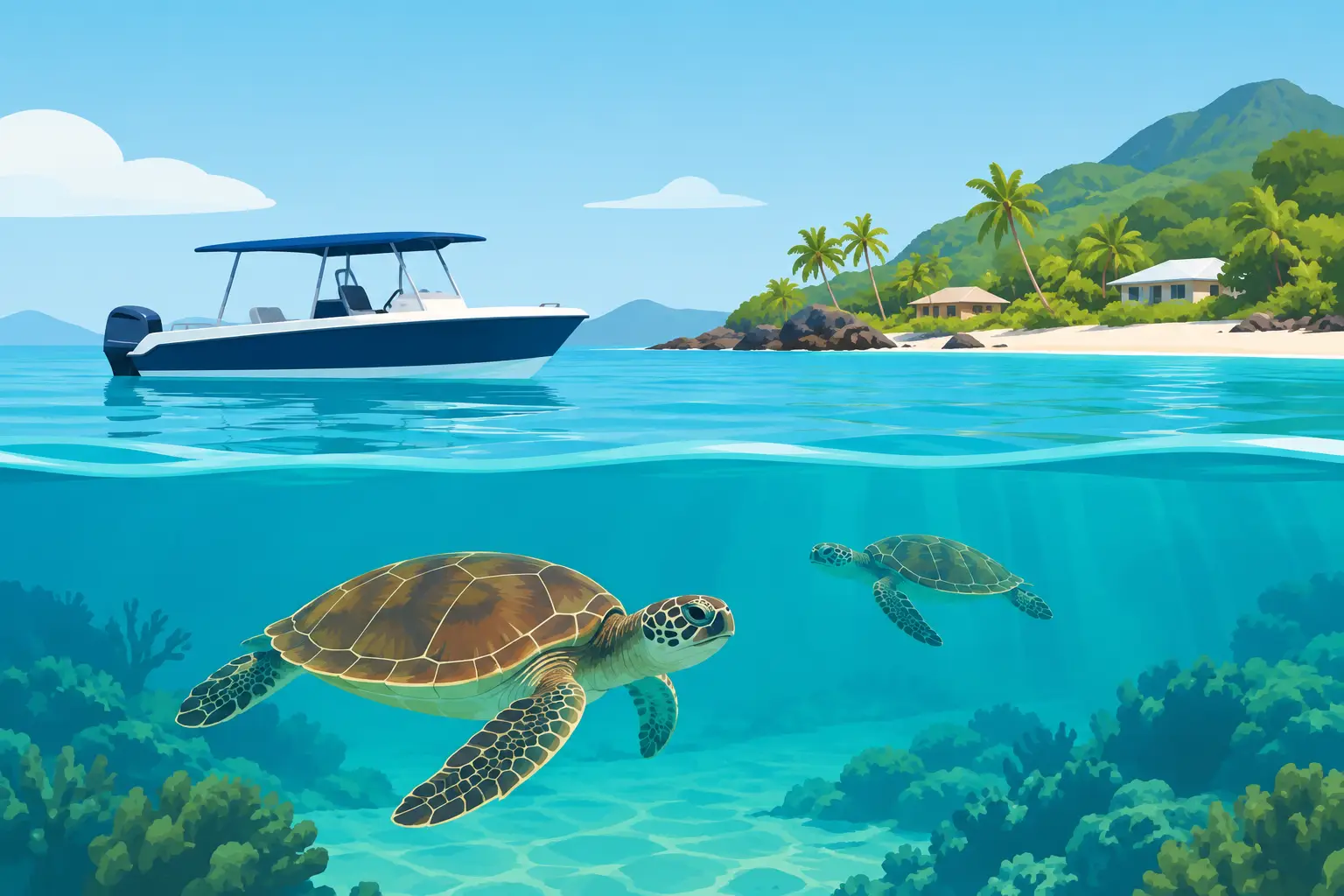
Most turtle outings involve a taxi boat, catamaran, or another small vessel traveling from Noumea toward an island, reef, or lagoon area. Boarding and disembarking can require a little balance, particularly when there is a gentle swell or when landing close to a beach. Crew instructions are there for a reason. Keep both hands free when boarding, use the handholds offered, and wait for the crew’s signal before stepping on or off.
If you are pregnant, have limited mobility, are recovering from an injury, or feel nervous on small boats, mention it before booking. A beach-focused excursion or a calmer sightseeing option may be a better fit than a longer ride with open-water snorkeling. Families with young children should also choose an experience that matches their child’s confidence around boats and water.
Seasickness is another practical consideration. Even travelers who feel fine on a large cruise ship can notice movement in a smaller boat. Eating lightly beforehand, staying hydrated, looking toward the horizon, and using a motion-sickness remedy if you normally rely on one can make the ride far more comfortable.
Snorkeling ability and water confidence
You do not need to be an expert snorkeler to enjoy Noumea’s lagoon, but you should be honest about your comfort level. Some locations have calm, shallow water that suits first-time snorkelers, while others can involve deeper water, coral formations, boat entry, or mild currents. The best choice depends on the day’s conditions and your experience.
A responsible guide will explain how to use your mask, snorkel, and fins, where to enter and exit, and the area you should stay within. Pay attention even if you have snorkeled many times before. Every lagoon is different, and local guidance is more useful than confidence alone.
If you are not a strong swimmer, ask whether flotation equipment is available and whether you can remain close to shore or the boat. Do not push yourself to follow faster swimmers or reach a turtle farther away. The most memorable encounters often happen when guests float quietly, move slowly, and let wildlife pass naturally through the area.
Sun, heat, and hydration
The tropical sun can be the day’s biggest challenge, even when you are spending much of the time in the water. Sea breeze, swimming, and excitement can hide how much sun you are getting until you are already tired or burned.
Use reef-conscious sunscreen where possible, apply it before departure, and reapply as needed. A rash guard or lightweight long-sleeve swim top gives excellent protection without interrupting your snorkeling time. Bring a hat, sunglasses, a refillable water bottle, and a dry layer for the boat ride back. Children and guests who are not used to humid climates should take shade and water breaks before they feel unwell.
Marine wildlife and reef respect
Sea turtles are wild animals, not attractions to chase or touch. The safest encounter for both people and turtles is a calm one: observe from a distance, keep your hands to yourself, and never block an animal’s path to the surface.
Turtles need air. If one is swimming upward, give it space. If it is feeding near coral or seagrass, enjoy the view without surrounding it. Your guide may ask the group to spread out or remain still. This reduces stress for the turtle and gives everyone a better chance to watch its natural behavior.
The same rule applies to coral. Never stand on it, hold it, or kick it with your fins. Coral can be sharp, and even accidental contact can harm a living reef that took years to grow. Watch where you are swimming, keep your fins controlled, and follow the route indicated by the crew.
Are Noumea Turtle Tours Safe for Families?
They can be a wonderful family activity when the itinerary matches the ages, swimming abilities, and attention spans of everyone in your group. A half-day trip with a short transfer, a calm beach stop, and optional snorkeling is often easier for young children than a more demanding full-day adventure.
Parents should check the practical details before booking: the minimum age, expected boat time, access to shade, restroom availability, meal arrangements, and whether children need to wear life jackets during transfers. Bring snacks if allowed, along with towels, extra water, and a change of clothes. Even confident kids can become chilly after snorkeling or restless during a boat ride.
Teenagers and active families may prefer a longer island excursion with more time in the water. Still, the goal is not to squeeze in every activity. Leave room to relax on the sand, enjoy the view, and let the day move at a comfortable pace.
How to Choose a Tour You Will Feel Good About
The safest tour is not automatically the longest, fastest, or closest-looking option. It is the one that clearly fits your day and provides straightforward information before you leave. Look for a defined meeting point, an understandable itinerary, realistic timings, qualified local guidance, and clear instructions about what to bring.
Ask whether the route is weather dependent and what happens if conditions are not suitable. Weather changes are part of island travel, so a company that has a sensible alternative plan or is willing to modify the outing is usually making a responsible decision. Be cautious of anyone who guarantees wildlife sightings, since no ethical operator can promise the behavior of a wild turtle.
It is also worth checking what is included. Snorkeling gear, flotation support, transportation, and time on the island can vary from one excursion to another. Knowing these details ahead of time helps you select the right experience rather than arriving with expectations that do not match the trip.
Simple Ways to Have a Safer Day on the Lagoon
Come prepared, but travel light enough to move safely on and off the boat. Wear secure sandals or water shoes, not loose flip-flops that can slide on a wet deck. Keep your phone and valuables in a waterproof pouch, and use a dry bag for a towel and spare clothing.
Tell the crew about relevant medical needs, medication, allergies, or concerns before departure. This is particularly useful if you have asthma, diabetes, mobility concerns, anxiety in open water, or a history of motion sickness. It helps the team give better practical advice and lets you start the day with more confidence.
Once you are on the water, stay with your group and do not swim beyond the agreed area. Conditions can look calmer from the beach than they feel once you are in the water. A few extra minutes near the boat or shore are always better than becoming tired far from your entry point.
A Great Turtle Encounter Should Feel Comfortable
Noumea’s lagoon offers an unforgettable setting for travelers who want more than a quick photo from the pier. With the right operator, a sensible itinerary, and a little preparation, turtle tours can be a safe, relaxed highlight for couples, families, first-time snorkelers, and cruise guests alike.
Choose the experience that suits your confidence level, listen closely to your guides, and give the turtles the space they deserve. That is how a beautiful day of island discovery becomes a memory you will be happy to share.

Related Posts