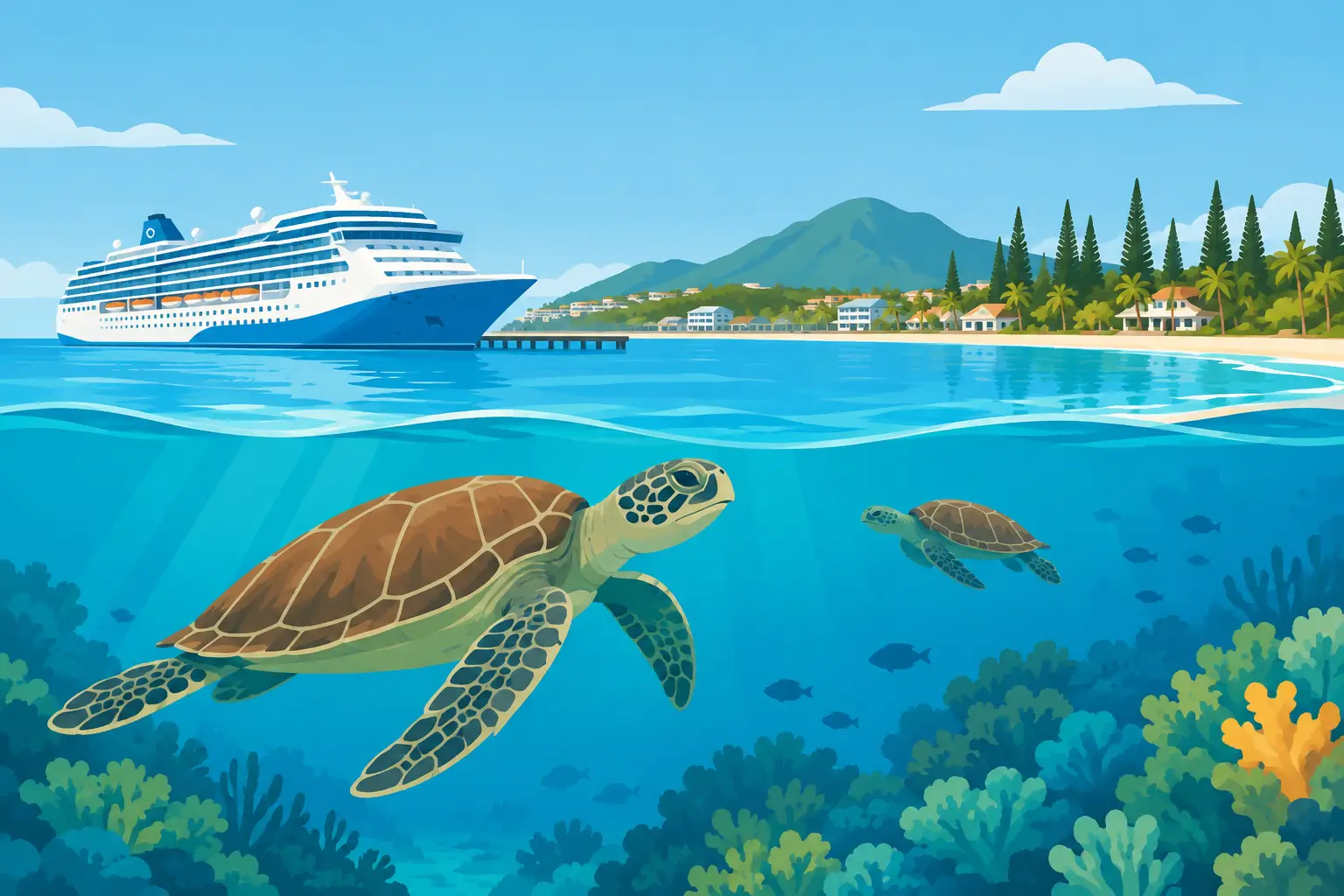
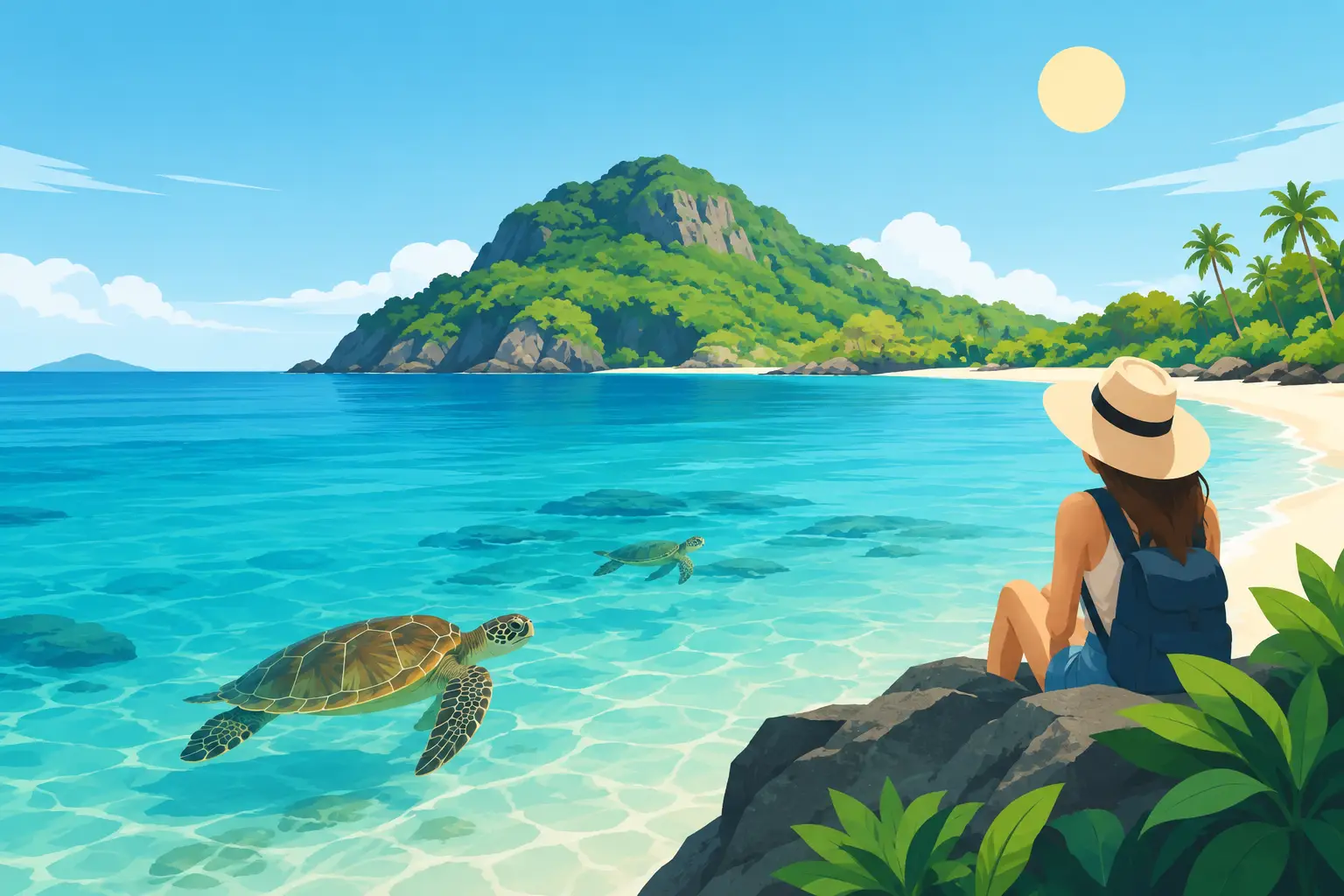
See a cruise excursion example for Noumea, with turtle snorkeling, island time, simple port pickup, and enough time to return to your ship relaxed ashore.
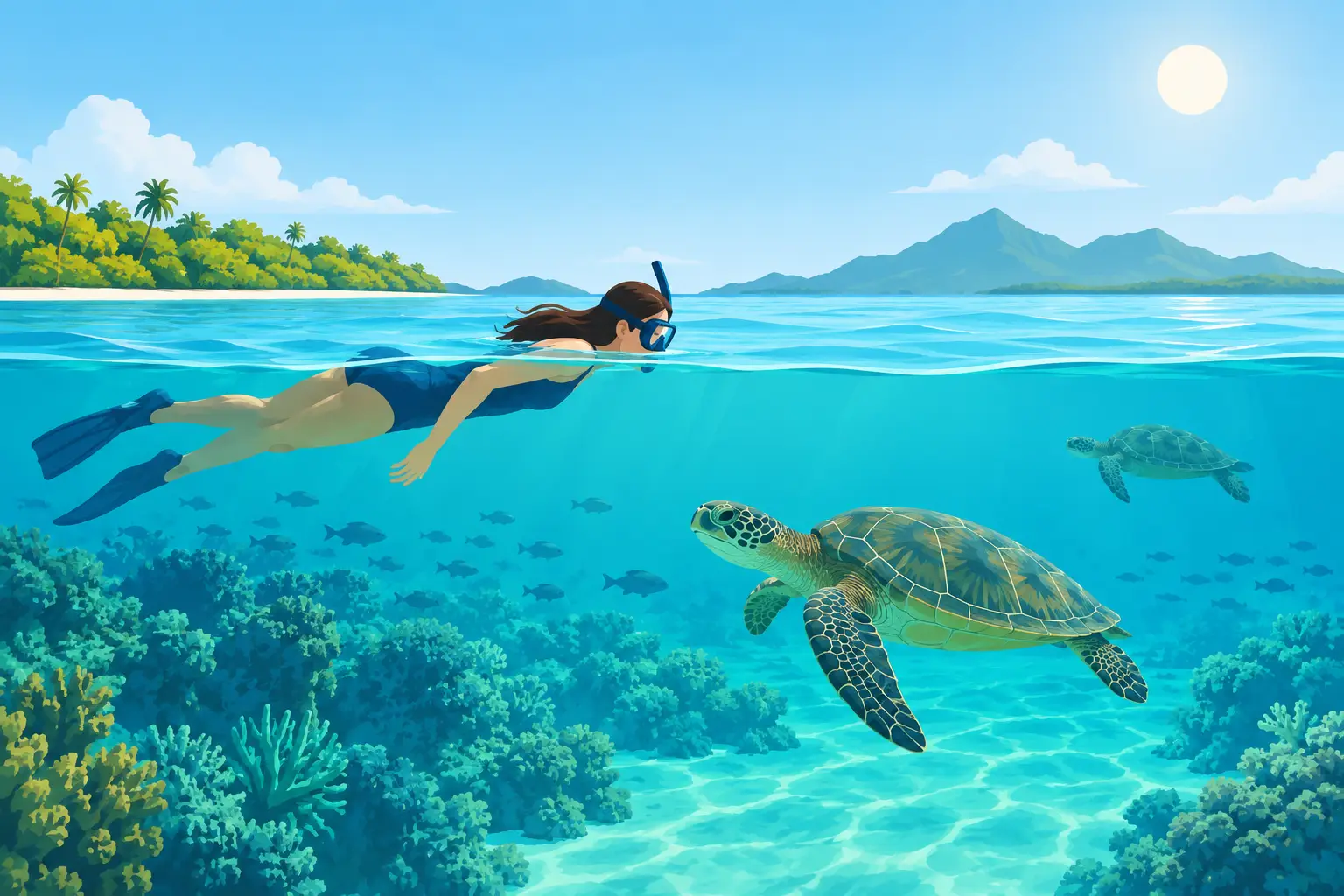
When Is Lagoon Visibility Best for Snorkeling?
The difference between a good snorkeling day and an unforgettable one can be as simple as looking beneath the surface and seeing the reef in sharp, brilliant color. If you are asking when is lagoon visibility best, the short answer is: on calm, dry days with light wind, little recent rain, and a location protected from the swell. Around Noumea, those conditions can turn the lagoon into a clear blue window onto coral, tropical fish, and, with a little luck, sea turtles.
Visibility changes from day to day, even in a famously beautiful lagoon. Planning around weather, wind, tides, and your available time ashore gives you the best chance of enjoying that crystal-clear water you came for.
When Is Lagoon Visibility Best Near Noumea?
For many visitors, the most consistently clear conditions arrive during the drier, cooler months, generally from May through October. Rainfall is often lower, humidity is more comfortable, and the water can be beautifully clear around the islands and reefs. This is a favorite period for travelers who want a relaxed beach day, a boat ride, and confident snorkeling conditions without the intense heat of peak summer.
That said, visibility is not guaranteed by the calendar alone. A calm day in the warmer months can be fantastic, while a windy winter day may stir up shallow sand and reduce clarity close to shore. The best approach is to think of the season as your starting point and the daily forecast as your final decision-maker.
The warmer period, roughly November through April, brings warmer water and lively tropical conditions. It can also bring heavier showers, more humidity, and the possibility of tropical weather systems. Rain does not automatically cancel a great lagoon outing, especially when it is brief and localized. But heavy rain can wash sediment into bays and make water near the coast look less clear for a day or two.
Calm Wind Matters More Than Most Travelers Expect
Wind is often the biggest factor you can check before a snorkeling trip. Strong or persistent wind creates surface chop, which makes it harder to see into the water from a boat and can reduce comfort for swimmers. In shallow areas, waves can also lift fine sand, making the water appear milky rather than bright and transparent.
Look for a day with light winds and sheltered stops. Islands, reefs, and bays do not all face the same direction, so a knowledgeable local crew can choose a more protected side of the lagoon when conditions change. This is one reason an organized island excursion is especially helpful for cruise guests and short-stay visitors: you spend less time guessing where to go and more time enjoying the water.
A lightly breezy day is not necessarily a bad snorkeling day. In fact, a little breeze can feel refreshing in the sun. The trade-off is that exposed beaches and outer reef areas may be choppier, while sheltered island lagoons can remain calm and inviting.
Morning Usually Offers the Clearest View
Morning is often the best time to get in the water. Winds tend to be lighter earlier in the day, boat traffic is lower, and the surface is commonly smoother. With less glare and fewer ripples, it is easier to spot coral formations, schools of fish, and turtles coming up for air.
For cruise passengers, an early departure can be a smart choice. It leaves more flexibility for a beach break, a relaxed return to the terminal, or another sightseeing experience later in the day. It also means you are snorkeling before afternoon winds have a chance to build.
The sun angle matters, too. When the sun is higher, colors beneath the surface can look more vivid. Mid-morning often gives a wonderful balance of calm conditions, bright light, and comfortable temperatures. Just remember that strong sun also means strong UV exposure. Reef-safe sunscreen, a rash guard, a hat, and plenty of drinking water should be part of the plan.
Do Tides Change Lagoon Visibility?
Tides influence lagoon conditions, but they are not a simple clear-versus-cloudy switch. On a falling or rising tide, water movement may refresh certain areas and improve clarity. In other places, stronger currents can make snorkeling less comfortable, especially for beginners or children.
At very low tide, some shallow reef flats can become difficult to access and corals may sit closer to the surface. This can be beautiful for viewing from above, but it is not always the best moment for a long swim. At higher water, you may have more room to float comfortably above the reef without getting too close to fragile coral.
The right tide depends on the specific island, beach, and snorkeling site. A guided excursion can match the route to the day rather than relying on one fixed spot. For travelers who want an easy experience, that local decision-making is more valuable than trying to chase a particular tide chart on your own.
Rain, Runoff, and Recent Weather
A sunny sky at breakfast does not always tell the whole story. What happened the day before can affect water clarity, particularly near urban beaches, river outlets, and sheltered bays. After significant rain, runoff can carry soil and organic material into coastal water. This is usually more noticeable close to shore than farther out around islands and reefs.
If there has been a heavy downpour, do not assume your day is lost. Ask about conditions at the planned destination. Offshore locations may still be clear, and boat crews can often steer toward cleaner, more protected water. Flexibility makes a real difference in a large lagoon.
For the clearest conditions, aim for a day following a stable stretch of dry weather. Combine that with a calm forecast and a morning departure, and you have stacked the odds strongly in your favor.
Best Conditions for Turtle Spotting
Clear visibility makes turtle encounters more rewarding because you can watch these graceful animals moving through their natural environment without crowding them. But turtles are wild, so no responsible operator should promise a sighting on every trip. Water clarity helps you spot one at a respectful distance, yet animal behavior, food sources, currents, and the time of day all play a part.
The best practice is simple: move slowly, keep your distance, never touch a turtle, and let it choose where to swim. Avoid chasing a turtle for a photo. A calm, patient approach is better for the animal and often leads to a more memorable moment for you.
A good mask fit matters almost as much as weather conditions. If your mask leaks or fogs, even clear water will seem disappointing. Test your gear before heading away from the boat or beach, clear it calmly if needed, and ask your guide for help. Small practical details can protect a big vacation moment.
How to Plan a Clear-Water Lagoon Day
The most reliable formula is not complicated: choose the drier season if your travel dates are flexible, book a morning trip, watch the wind forecast, and be prepared for the route to change based on daily conditions. For a one-day cruise stop, prioritize a tour with transport included and a return schedule that leaves a comfortable buffer before all-aboard time.
Bring a swimsuit, towel, reef-safe sun protection, water, and a secure way to carry valuables. If you wear glasses, consider prescription snorkeling lenses or ask whether they are available. Families should also be honest about swimming confidence so the crew can recommend the most suitable stop and equipment.
Noumea Turtle Island Tours helps visitors make the most of limited time with island and lagoon experiences designed around real conditions on the day. With multilingual support and convenient coordination for cruise and hotel guests, it is easier to focus on the fun part: stepping into warm blue water and looking for the life beneath it.
The lagoon rewards travelers who leave a little room for nature to lead. Pick a calm morning, listen to local advice, and you may find that your clearest view of New Caledonia is not from the shoreline at all, but floating quietly above a living reef.

Related Posts