Plan Amedee by Taxiboat with practical advice on timing, what to pack, beach time, snorkeling, and choosing the right transfer for your Noumea vacation.
Noumea Lagoon Wildlife Guide for Visitors
If your port day in Noumea includes clear water, white sand, and a chance to spot sea life just offshore, a Noumea lagoon wildlife guide helps you know what to look for before you even step on the boat. This lagoon is not just beautiful from a distance. It is active, colorful, and full of wildlife moments that can turn a simple beach stop or snorkeling trip into the highlight of your visit.
For cruise passengers and short-stay travelers, that matters. You may only have a few hours to enjoy the lagoon, so knowing where wildlife appears, what is realistic to see, and how conditions can change makes planning much easier. Some days are perfect for turtles and reef fish in calm shallows. Other days are better for scenic island time, birdwatching, or a relaxed catamaran trip with quick snorkeling stops.
What wildlife you can see in the Noumea lagoon
The Noumea lagoon is best known for sea turtles, tropical reef fish, coral gardens, and seabirds. These are the sightings most visitors are hoping for, and they are also the most realistic on a short organized excursion close to the port.
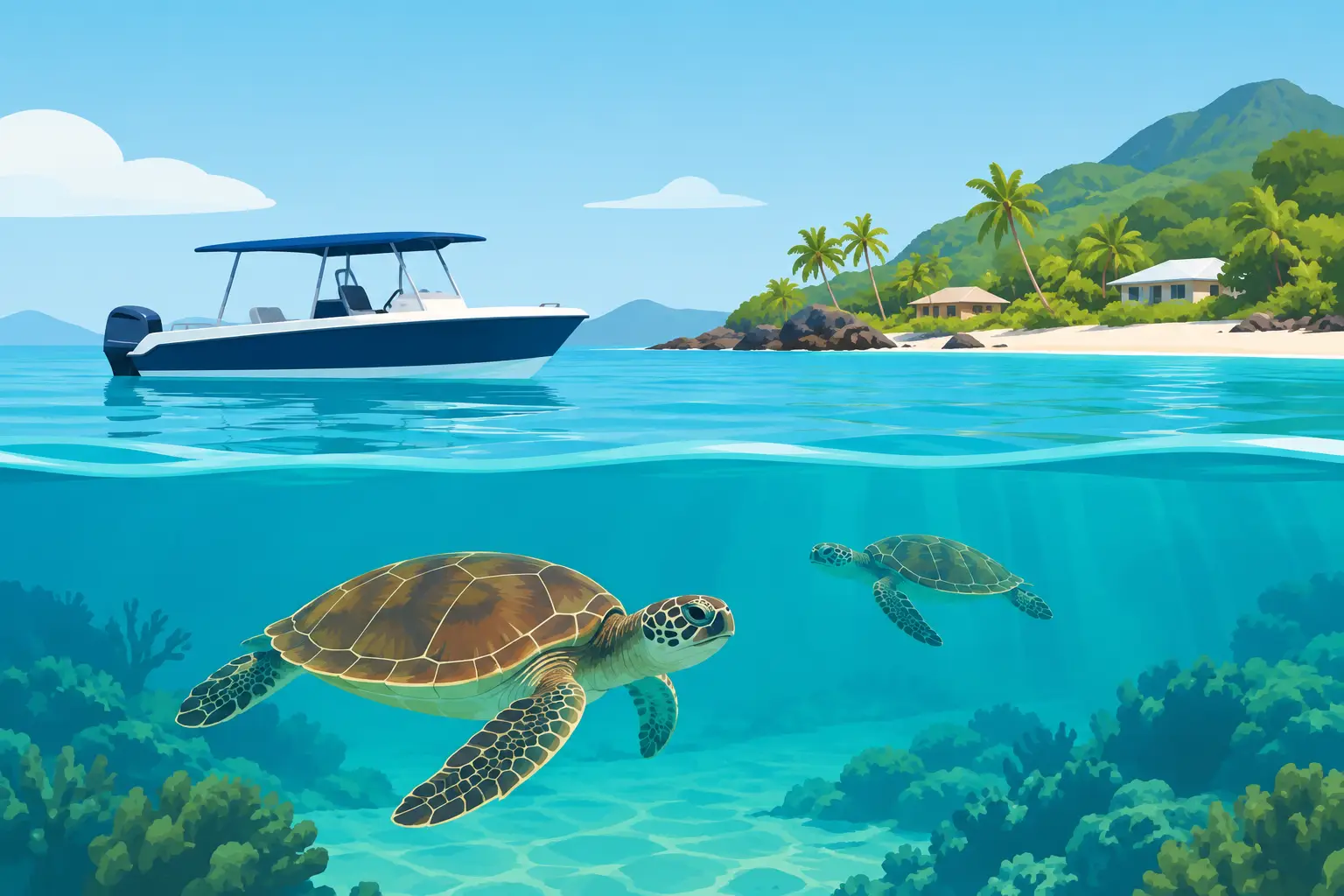
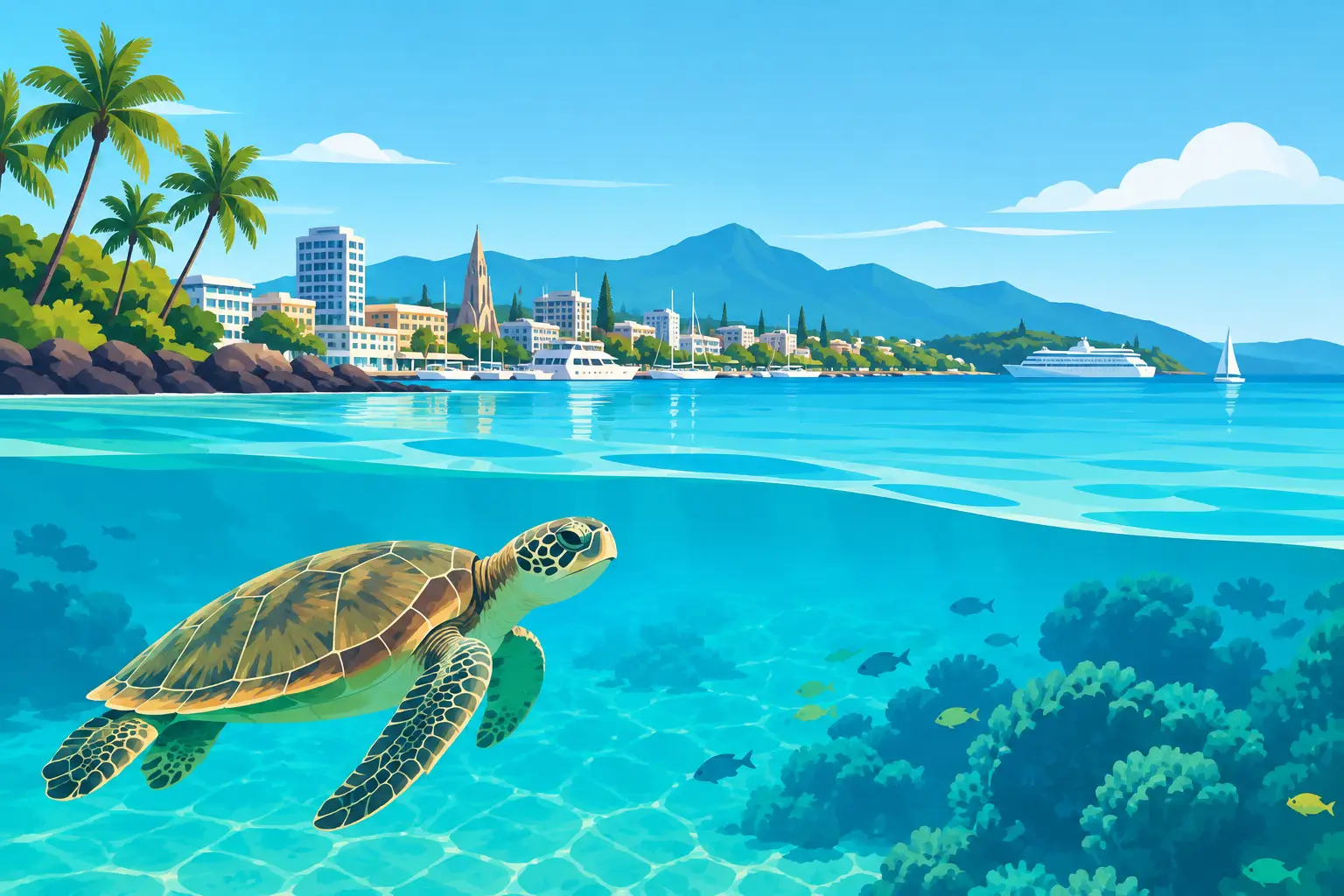
Sea turtles are the stars for many guests. Seeing one glide through shallow turquoise water is the kind of memory people talk about long after the trip ends. Sightings are never guaranteed, because this is a natural environment, not an aquarium, but turtles are one of the lagoon’s biggest wildlife draws. Calm water and good visibility make a big difference, especially on snorkeling-focused outings.
Reef fish are often the easiest wildlife to enjoy. Even first-time snorkelers usually notice bright schools moving around coral heads and rocky patches. Depending on the spot, you may see butterflyfish, parrotfish, damselfish, and other small reef species that bring immediate color to the water. For families or travelers who want a lighter adventure, fish viewing can be just as rewarding as chasing a rare sighting.
Seabirds add another layer to the experience, especially on island trips and boat transfers. Frigatebirds, terns, and other coastal birds are part of the lagoon scene, and they are often easiest to appreciate when you are crossing open water or spending time on protected islets. If you enjoy nature but do not plan to snorkel, birdlife still gives the trip a genuine wildlife element.
You may also spot rays, sea cucumbers, and small reef creatures near sandy bottoms and coral areas. These are more luck-dependent and often easier to notice with a guide who knows where to look. The trade-off is that the more you focus on wildlife, the less your day feels like a simple beach outing. Some travelers want exactly that. Others prefer a balance of swimming, relaxing, and keeping wildlife sightings as a bonus.
Noumea lagoon wildlife guide to the best habitats
Not all lagoon areas feel the same, and that is part of what makes Noumea such a good destination for short marine excursions. Some locations are ideal for easy snorkeling close to shore. Others are better for scenic cruising, island picnics, or boat-based wildlife watching.
Shallow reef zones are where many visitors get their first close look at lagoon life. These spots often hold the best mix of visibility, fish activity, and beginner-friendly snorkeling. You do not need to be an expert swimmer to enjoy them, but comfort in the water always helps. On busy port days, organized access is often the easiest way to reach these areas without losing time.
Seagrass and sandy feeding areas can be productive for turtle sightings. Turtles move, of course, so there is no fixed viewing point that works every time. Still, excursions that spend time in known lagoon habitats usually give you a better chance than simply choosing the nearest beach and hoping for the best.
Protected island beaches offer a different kind of wildlife experience. Here, the appeal is often the combination of gentle water, coastal birds, and beautiful natural scenery. If your group includes mixed interests, this is usually the safest choice. Some people can snorkel, some can swim, and others can relax on the sand without missing the best part of the day.
When wildlife viewing is best
The best wildlife moments usually come down to water clarity, weather, and timing rather than a single magical month. On a calm, sunny day, the lagoon can be incredibly transparent, which makes fish, coral, and turtle sightings much easier. Windier conditions can stir up sediment and reduce visibility, even if the scenery still looks great from the boat.
Morning departures are often a smart option for travelers who want the cleanest light and a smooth start before conditions change. That said, the right trip depends on your schedule. Cruise guests often need excursions that fit strict return times, so convenience matters just as much as ideal conditions.
Seasonal differences exist, but they are less important for most visitors than choosing a well-timed tour with local knowledge. If you only have one day in Noumea, it makes more sense to focus on a reliable lagoon outing than to overthink wildlife calendars. Nature always has some unpredictability, and that is part of the appeal.
How to choose the right wildlife experience
A good Noumea lagoon wildlife guide should also help you pick the right style of trip. The best choice depends on how much time you have, whether you want to snorkel, and how comfortable you are organizing transport on your own.
If you are arriving by cruise ship, convenience can shape everything. A tour that leaves close to the terminal saves time and removes stress, especially if you are traveling with family or on a tight port schedule. That is one reason many visitors prefer organized island and lagoon excursions rather than trying to coordinate taxis, boats, and beach access separately.
If wildlife is your top priority, choose an excursion that clearly includes snorkeling or time in known marine habitats. If your goal is a scenic day with a chance of wildlife along the way, a catamaran or island transfer can still be excellent. You may see less underwater life, but you gain a more relaxed pace and more time to enjoy the setting.
For first-time snorkelers, shorter outings often work better than full-day adventures. Energy levels stay higher, and the experience feels fun rather than demanding. More experienced travelers may prefer trips that combine multiple stops, since different reef and island environments can increase the variety of wildlife you encounter.
What to bring for a better wildlife day
Preparation makes a bigger difference than most people expect. Reef-safe sun protection, a towel, swimwear, and a dry bag for essentials are the obvious basics. A rash guard or light cover-up is also useful, because sun exposure on the lagoon can feel much stronger than it does on land.
If you wear glasses or are particular about fit, bringing your own snorkel mask can improve comfort. Many visitors do perfectly well with provided equipment, but a familiar mask can mean more time looking at fish and less time adjusting straps. Water shoes can help on some beaches, although they are not always necessary.
The main thing is to travel light enough to move easily on and off boats. Short-stay visitors often enjoy the day more when logistics feel simple. That is exactly why organized operators such as Noumea Turtle Island Tours appeal to so many cruise guests – the lagoon feels easy to access, not complicated.
Wildlife etiquette that protects the lagoon
The best wildlife experiences happen when visitors give the lagoon space. Do not chase turtles, stand on coral, or try to touch marine animals. It may seem harmless in the moment, but repeated pressure affects habitats quickly, especially in popular excursion areas.
Keeping a respectful distance also makes sightings better. Fish behave more naturally, turtles stay calmer, and the whole experience feels less rushed. Good guides reinforce this because protecting the lagoon is part of protecting the experience future visitors come for.
It also helps to manage expectations. Wildlife is real and free-moving here, which is exactly why encounters feel special. Some trips deliver unforgettable turtle sightings. Others are more about crystal-clear water, reef fish, and the simple pleasure of being out in one of the South Pacific’s most beautiful lagoon settings.
Is a wildlife-focused lagoon trip worth it?
For most visitors, yes – especially if your time in Noumea is short and you want something more memorable than a standard beach transfer. A wildlife-focused trip gives shape to your day. Instead of just going somewhere pretty, you head out knowing what makes this lagoon special and what to watch for once you arrive.
It is also one of the easiest ways to turn a limited port stop into a real New Caledonia experience. You do not need to be a serious snorkeler or a bird expert to enjoy it. You just need clear water, a little curiosity, and a trip that matches your pace.
If you can leave Noumea having watched reef fish scatter over coral, spotted a turtle in the lagoon, or spent a few easy hours on a protected island with wildlife all around you, that is time very well spent.

Related Posts