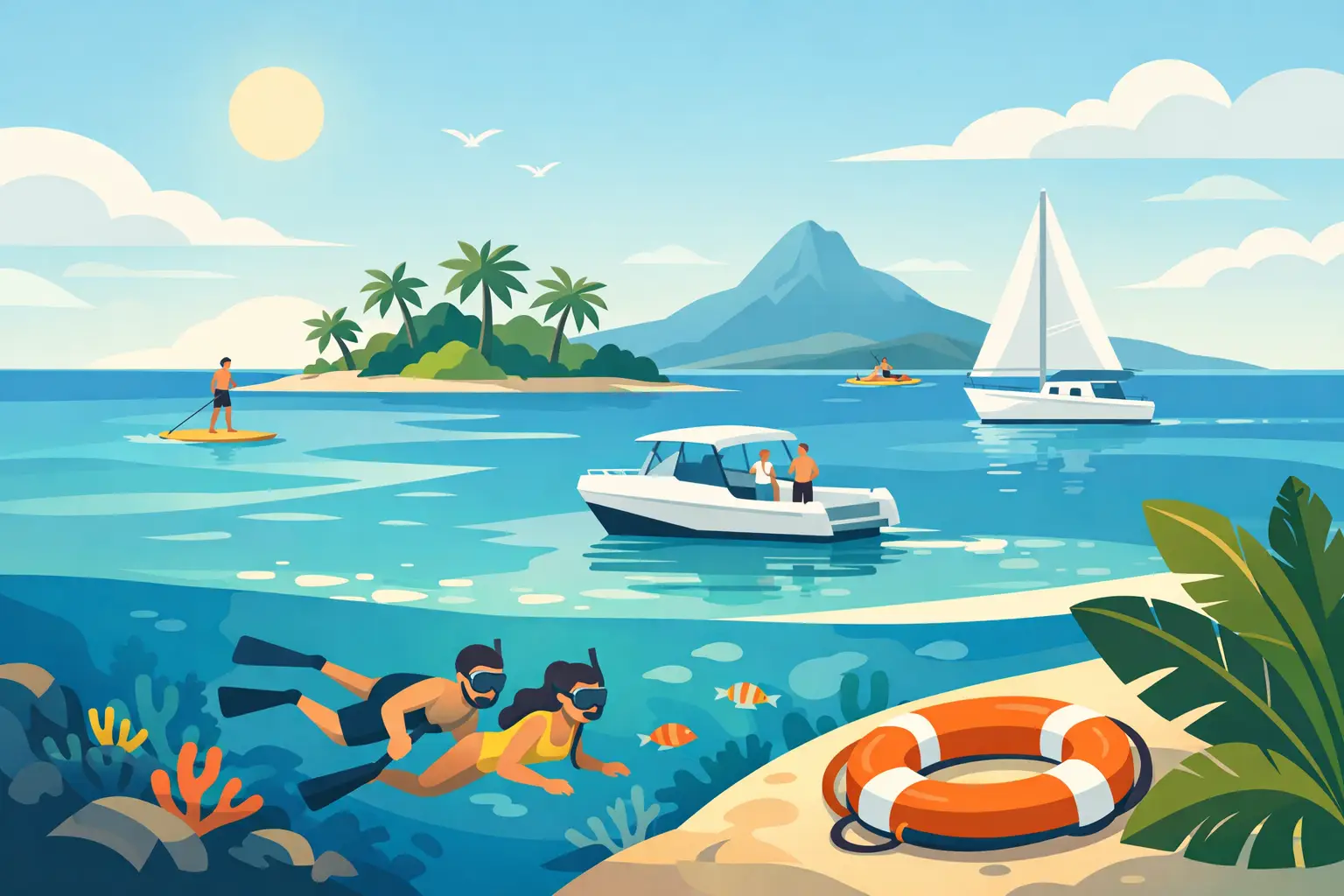
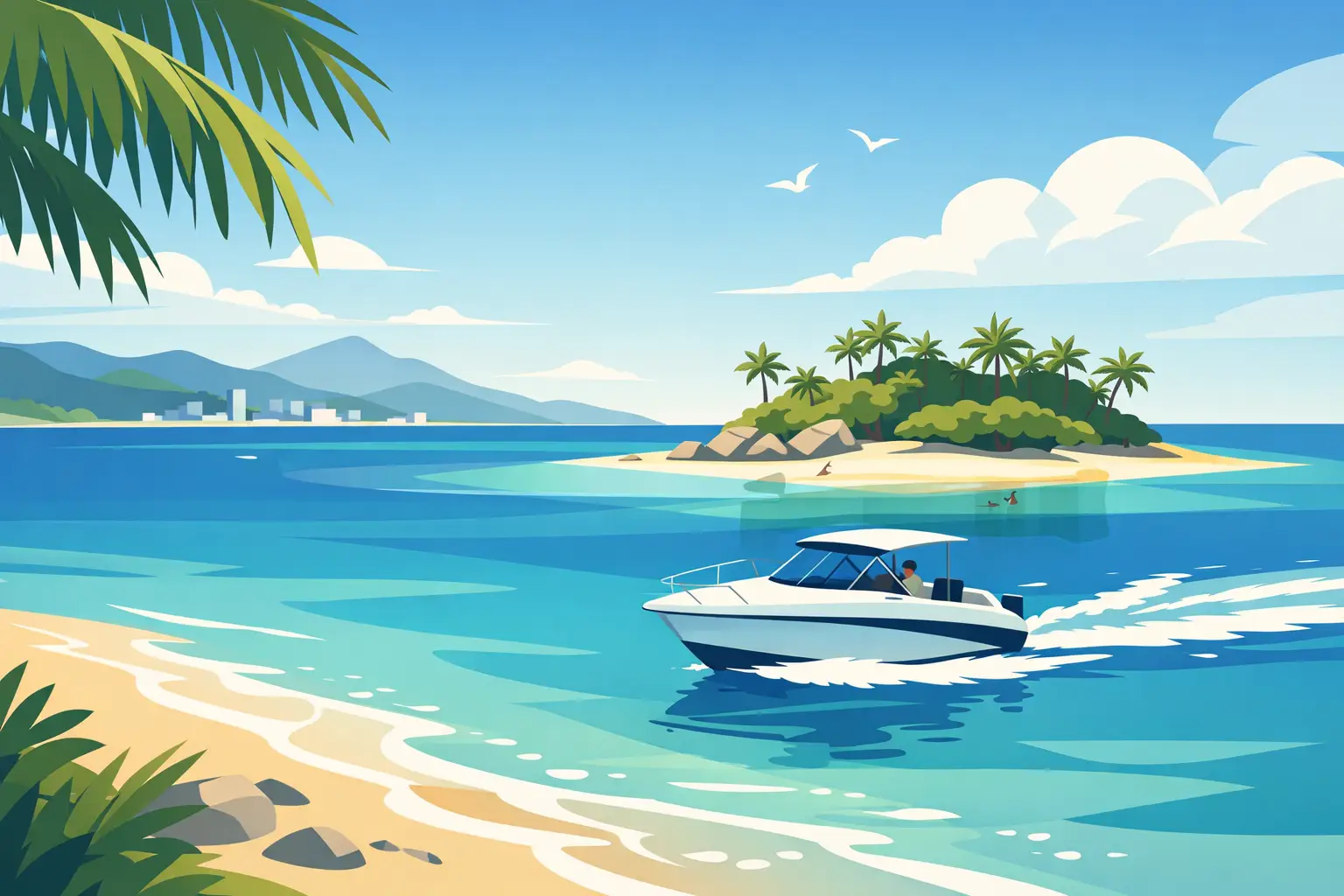
Our lagoon safety guide helps you enjoy Noumea's clear water, coral reefs, and turtle encounters with smart, simple tips for every island outing with care.
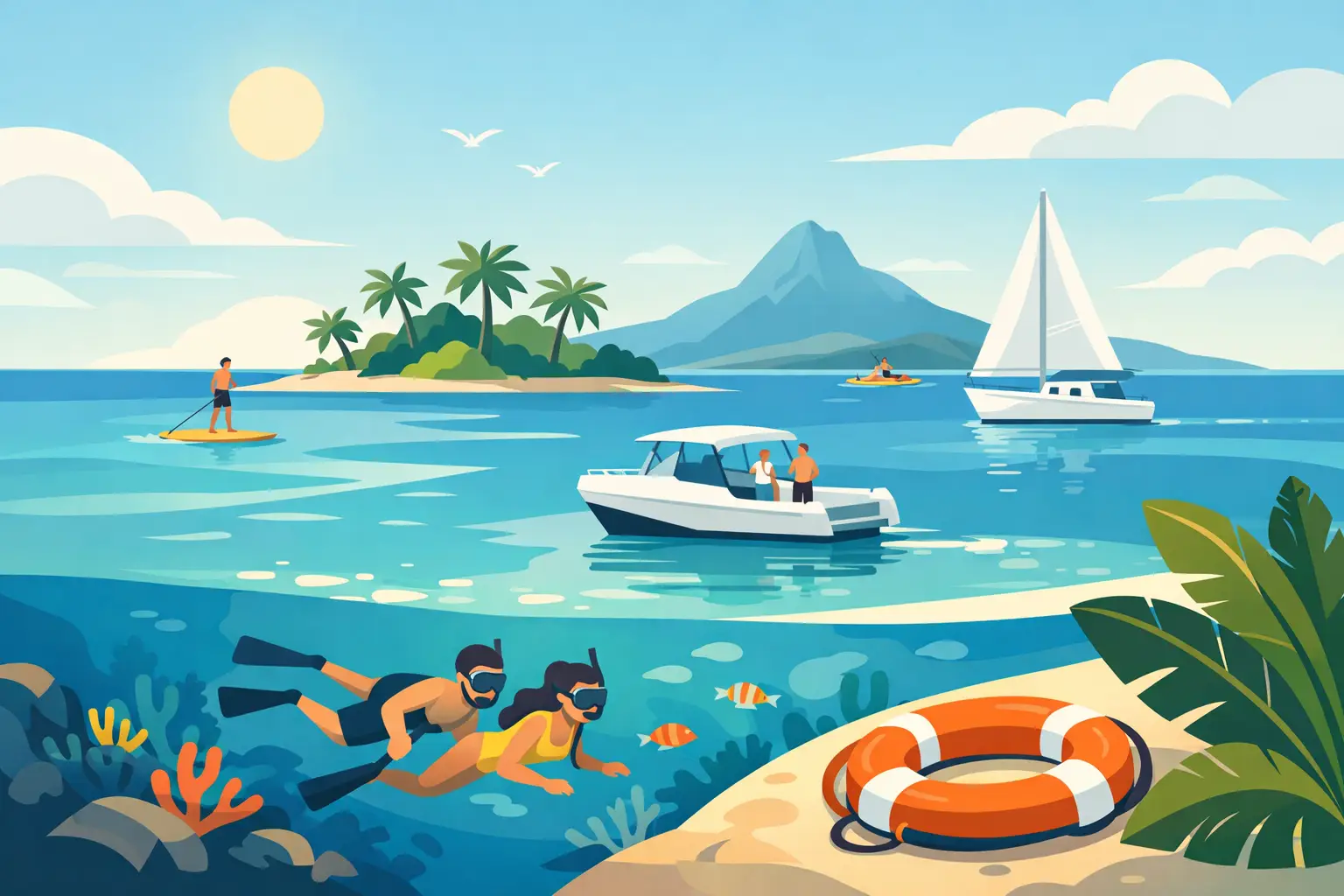
Lagoon Safety Guide for Noumea Island Days
A perfect lagoon day can change quickly when a breeze picks up, a current shifts, or a snorkeling stop turns out to be farther from shore than it looked from the boat. This lagoon safety guide is designed for visitors who want the best of Noumea’s blue water, coral reefs, island beaches, and sea turtle moments while keeping the day easy, comfortable, and well planned.
Noumea’s lagoon is extraordinary, but it is still a natural marine environment. The best trips balance excitement with simple decisions: choose a suitable outing, listen to local crew, protect yourself from the sun, and give wildlife plenty of space. That leaves you free to enjoy the white sand, clear water, and unforgettable views.
Start With the Right Lagoon Experience
Not every island trip suits every traveler in the same way. A relaxed beach transfer may be ideal for families, guests who prefer shallow water, or cruise visitors with limited time. A snorkeling-focused trip can be a better fit if you are confident in the water and comfortable using a mask and fins. More active options, such as jet ski rides, scuba diving, or open-water fishing, require a different level of confidence and attention.
Be honest about your swimming ability before you book. Floating in calm water near a beach is very different from snorkeling above a reef edge or swimming from a boat. If you are traveling with children, older relatives, or anyone who feels unsure in the sea, choose an outing with clear supervision, an easy beach landing, and enough time to settle in without rushing.
For cruise passengers, timing matters too. Build in time for the return journey to the terminal. A great island day feels even better when you are not watching the clock during the boat ride back.
Check Conditions Before You Enter the Water
The lagoon can look calm from shore while conditions farther out are more challenging. Wind, tide, waves, boat traffic, and visibility all affect the experience. Your skipper or guide knows the day’s route and conditions, so pay attention during the safety briefing even if you have snorkeled many times before.
Ask where it is safe to swim, how far you should go, and whether there are currents around the reef. Follow the suggested entry and exit points. These are not just convenient spots – they are chosen to help guests avoid coral, boat lanes, slippery rock, and stronger water movement.
If conditions change, plans may change too. A different snorkeling location or a shorter water stop can be the right call when weather is less favorable. Flexibility is part of a safe and enjoyable marine adventure, especially on a short port visit.
Never snorkel alone
Use the buddy system, even in shallow water. Keep a travel companion, family member, or guide within sight, and agree on a simple signal if one of you wants to return to the beach or boat. Children should stay close to a responsible adult at all times, including when they are wearing flotation equipment.
A life jacket or flotation vest is not a sign that you are a weak swimmer. It can help you relax, conserve energy, and spend more time looking at the reef instead of working to stay afloat. For many first-time snorkelers, it is the easiest way to enjoy the water with confidence.
Protect Yourself From Sun, Heat, and Dehydration
The bright lagoon can make the sun feel stronger than expected. Water reflects sunlight, and a cooling sea breeze can hide how warm you are getting. Sunburn, dehydration, and fatigue can affect a day trip faster than most travelers expect.
Bring drinking water and take regular breaks in the shade. Wear a hat and a light cover-up when you are on the boat or beach, and apply reef-conscious sunscreen before heading out. Reapply it after swimming, toweling off, or spending a long time in the water. A rash guard is especially useful for snorkeling because it adds sun protection without needing constant sunscreen on your back and shoulders.
If you feel dizzy, nauseated, unusually tired, or chilled after being in the water, tell your guide or boat crew right away. A short rest is always better than pushing through discomfort.
Respect Coral, Turtles, and Other Marine Life
A turtle sighting is one of the most memorable parts of a Noumea lagoon outing. The best encounter happens on the turtle’s terms. Watch quietly, stay calm in the water, and let the animal choose its direction. Do not chase, touch, feed, surround, or block a turtle from reaching the surface.
Keep a respectful distance from all wildlife, including fish, rays, and seabirds. Flash photography, sudden splashing, and a crowd of swimmers can create stress for animals and spoil the moment for everyone. Your guide may ask the group to remain in a particular area or wait before entering the water. That is how responsible wildlife viewing stays special.
Coral needs the same care. Never stand on it, grab it for balance, or kick it with your fins. Coral may look like rock, but it is a living habitat that supports the colorful fish and marine biodiversity visitors come to see. If you need to adjust your mask or catch your breath, float away from the reef rather than putting your feet down.
Leave the beach better than you found it
Pack out everything you bring, including snack wrappers, bottles, and damaged swim gear. Avoid leaving food scraps near the beach, and use designated facilities where available. Small choices protect the islands and keep their beaches beautiful for the next group of visitors.
Be Smart Around Boats and Water Sports
Boats, catamarans, taxi boats, and water sports all share lagoon space. Only enter the water when the crew says it is safe, and stay clear of propellers, anchor lines, and boarding areas. When you are snorkeling, surface regularly to check your position and listen for instructions.
On a moving boat, keep one hand free for balance and use rails when boarding or walking around the deck. Wet surfaces can be slippery, especially when everyone is carrying towels, masks, and bags. Store loose belongings as directed, and keep your phone, sunglasses, and valuables in a waterproof pouch or dry bag.
For jet skis or higher-speed activities, follow the guide’s distance rules carefully. Speed can be exciting, but the lagoon is shared with swimmers, wildlife, small craft, and shallow reef zones. Wear the provided safety gear, do not try to film while driving, and let the instructor set the pace.
What to Bring for a Comfortable Day
A little preparation makes an island excursion feel effortless. Bring swimwear, a towel, drinking water, a cover-up, sun protection, and any personal medication you may need. If you wear glasses, consider prescription goggles or a secure strap. If you are prone to motion sickness, prepare before the boat journey rather than waiting until you feel unwell.
Keep valuables to a minimum. Island trips are about being in the water and on the sand, not worrying about expensive items. A waterproof case is helpful for photos, but do not let photography distract you from waves, footing, wildlife, or crew instructions.
At Noumea Turtle Island Tours, guests can enjoy organized island time with the practical benefit of local coordination and clear departure information. Still, every traveler plays a part in safety by arriving on time, listening closely, and choosing an activity that matches their comfort level.
Lagoon Safety Guide: Know When to Sit One Out
There is no prize for entering the water when you do not feel well. Skip snorkeling or choose a beach-based activity if you are exhausted, have had too much sun, feel sick, are managing an injury, or are uncomfortable with the conditions. You can still enjoy spectacular views from the sand or boat, take photos, and make the most of the island atmosphere.
The same goes for weather. A cloudy or breezy day does not automatically ruin an excursion, but safety comes before a specific itinerary. Trust the crew’s judgment when they recommend a route adjustment, a delayed departure, or no swimming in a particular area.
The lagoon rewards travelers who slow down enough to notice it: a turtle rising for air, sunlight moving across the reef, or a quiet stretch of white sand beyond the busy port. Bring curiosity, follow the local guidance, and give yourself permission to enjoy every moment at a safe pace.

Related Posts