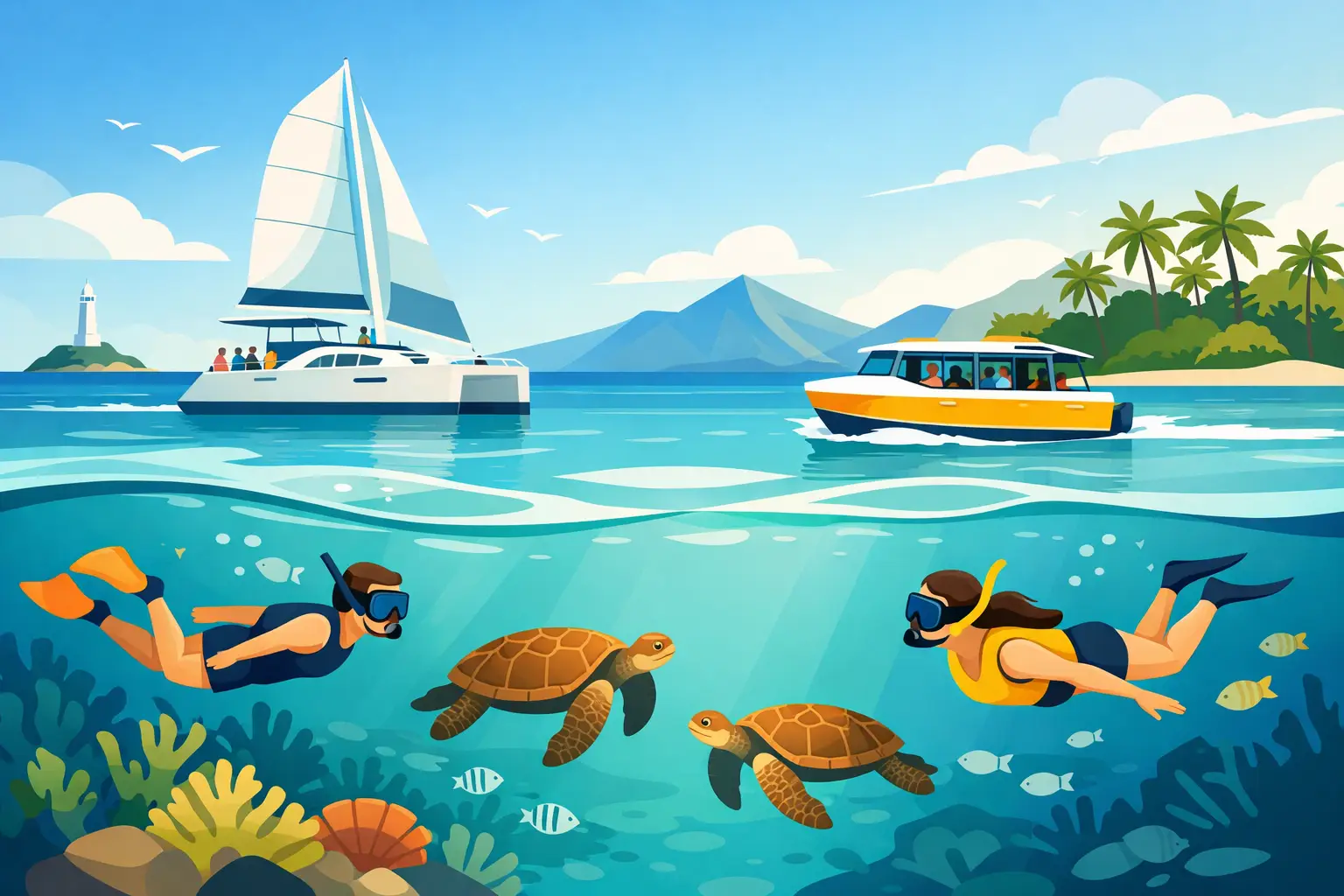
Hire a sailing catamaran or water taxi in Noumea for a turtle swim, with easy island transfers, lagoon time, snorkeling, and cruise-friendly timing too.
Marine Reserve Visitor Guide for Noumea Travelers
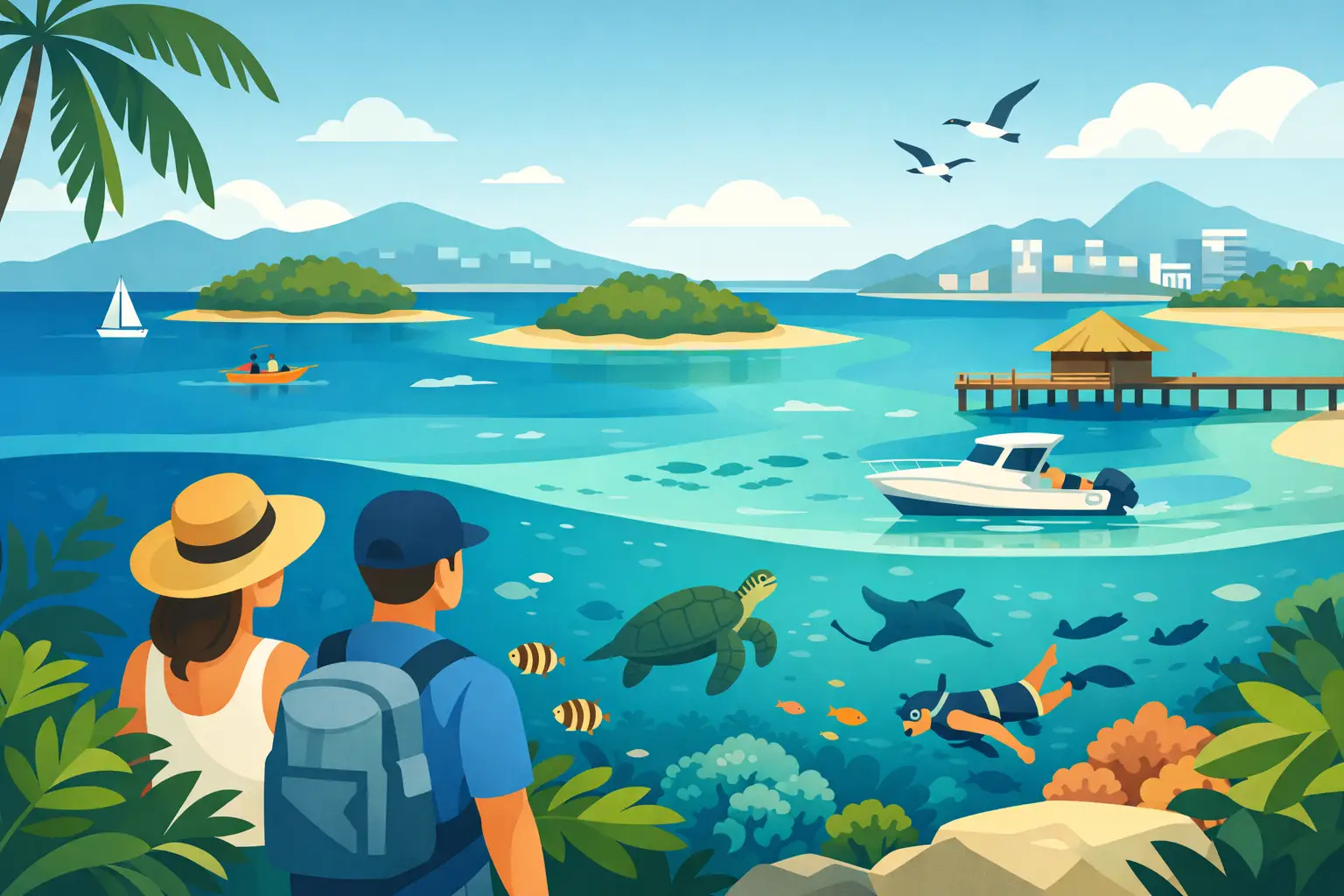
The water off Noumea can look impossibly clear from the shore, but a great day in a protected lagoon is about more than jumping in with a mask. This marine reserve visitor guide helps you plan a relaxed, wildlife-friendly outing with enough time for turquoise water, reef views, and a beach break before you return to the ship or hotel.
Noumea is an easy place to enjoy the lagoon when transport, timing, and local rules are organized in advance. Whether you have one cruise-port day or several nights in New Caledonia, a guided island excursion can turn a limited schedule into an unforgettable marine moment.
Marine Reserve Visitor Guide: Start With the Right Plan
Marine reserves protect places that visitors come to see: coral gardens, reef fish, nesting and feeding areas, sea grass beds, and clear lagoon habitats. Protection does not always mean the same thing at every site. Some areas allow swimming and snorkeling but restrict fishing, anchoring, collecting shells, feeding animals, or landing in sensitive zones.
Before leaving the dock, confirm where your boat is going, how long you will have on the island or in the water, and what is included. A short transfer may be perfect for a cruise guest who wants a simple beach and snorkel experience. A longer catamaran outing suits travelers who want more time to relax, explore, and enjoy the scenery along the way.
The best choice depends on your priorities. If spotting turtles is at the top of your list, choose an experience designed around likely turtle habitat and follow your guide’s instructions carefully. If your group includes young children or first-time snorkelers, calm water, easy beach access, and a clear return time may matter more than covering a larger area.
Leave room in your cruise-day schedule
Cruise days are exciting, but the clock matters. Choose a departure point close to the terminal when possible, and allow time for check-in, safety briefings, and the walk back to your ship. A well-planned half-day excursion often gives you the best balance: enough time to reach beautiful lagoon water without spending the day watching your phone.
Morning departures can bring cooler temperatures, softer light, and less wind, though conditions always vary. Afternoon trips can be a great fit if your ship arrives later or you prefer a slower start. Your operator should assess weather and sea conditions and adjust the plan when safety or comfort requires it.
What to Bring for a Comfortable Lagoon Day
Packing light makes the boat ride and beach time easier, but a few items can make a real difference. Wear your swimsuit under light clothing, bring a towel, and use a secure bag for your phone and valuables. A hat, sunglasses, refillable water bottle, and reef-conscious sun protection are smart additions under the strong South Pacific sun.
If you use prescription glasses, ask ahead about mask options or bring your own snorkel mask if it fits you well. Many travelers are more comfortable with familiar equipment, especially if they are nervous in the water. That said, masks must be properly fitted to prevent leaks, so test yours before heading away from shore.
Bring a light cover-up for the return boat ride. Even on a warm day, wind and wet skin can feel chilly after snorkeling. Families may also want a small snack, though you should check what your chosen tour provides and whether food is allowed at the destination.
Snorkeling Without Damaging the Reef
The easiest rule is also the most valuable: look, float, and leave no trace. Coral may resemble rock from above, but it is a living animal colony. One standing foot, a dragged fin, or a careless hand can cause damage that takes years to recover from.
Enter the water only where your guide recommends, especially when tides expose shallow reef. Keep your body horizontal and use slow, controlled fin kicks. If you are still learning, practice floating in a sandy area before moving closer to coral. A flotation device is not a sign of weakness. It can help you stay relaxed, avoid touching the bottom, and spend more time enjoying the view.
Never take coral, shells, sand, or other natural souvenirs from a protected marine area. The photographs will travel home far more easily, and the reef stays beautiful for the next visitors.
A better way to use sunscreen
Sun protection is essential, but apply it well before entering the water so it has time to absorb. Cover up with a rash guard or long-sleeve swim shirt when you can, particularly if you plan to snorkel for more than a few minutes. Physical shade, hats, and clothing reduce how much product washes into the lagoon while keeping you comfortable through the day.
Sea Turtle Encounters: Keep the Moment Wild
Seeing a sea turtle glide through clear water is one of Noumea’s great travel memories. It should always happen on the turtle’s terms. Wildlife encounters cannot be guaranteed, even in places where turtles are regularly seen, but patient observation gives you the best chance of a rewarding sighting.
Stay well back and let the turtle choose its path. Do not chase it for a photo, swim directly over it, block its route to the surface, or surround it with your group. Turtles need to surface for air, and repeated disturbance can change their natural behavior.
Avoid touching any marine animal, including turtles, fish, rays, and starfish. Touch can stress wildlife, remove protective coatings, or create unsafe reactions. A good photo is taken from a respectful distance, with no flash and no sudden movement. If a turtle moves away, let it go. The privilege is watching it live naturally in its home.
Choose a Tour That Matches Your Travel Style
Independent planning can work for travelers who know the area, have plenty of time, and are comfortable arranging boats, equipment, and return transport. For most cruise passengers and short-stay visitors, an organized excursion removes the difficult parts: finding the dock, understanding departure times, choosing a suitable island, and getting back without stress.
Look for clear information on duration, meeting point, transport type, snorkeling expectations, and whether the activity is suitable for your confidence level. Ask if there is shade on board, whether children are welcome, and what happens if conditions change. Smaller groups can feel more personal, while larger boat trips may offer more space and a livelier atmosphere. Neither is automatically better. It depends on the kind of day you want.
Language support also matters. Simple safety instructions are much easier to follow when delivered clearly. Noumea Turtle Island Tours offers accessible island and lagoon experiences with multilingual support for visitors who want straightforward coordination from the cruise terminal area.
Make the Most of Your Time on Shore
Do not treat the reserve as a checklist. Give yourself time to sit on the beach, notice the color changes across the lagoon, and enjoy the quiet between swims. The brightest fish may appear just beyond the first coral patch, while your favorite part of the day might be a calm boat ride back toward Noumea.
Follow your guide’s local advice, respect protected habitats, and keep your schedule realistic. When you leave the water exactly as you found it, your island day becomes more than a vacation photo – it helps protect the remarkable lagoon that brought you there.

Related Posts