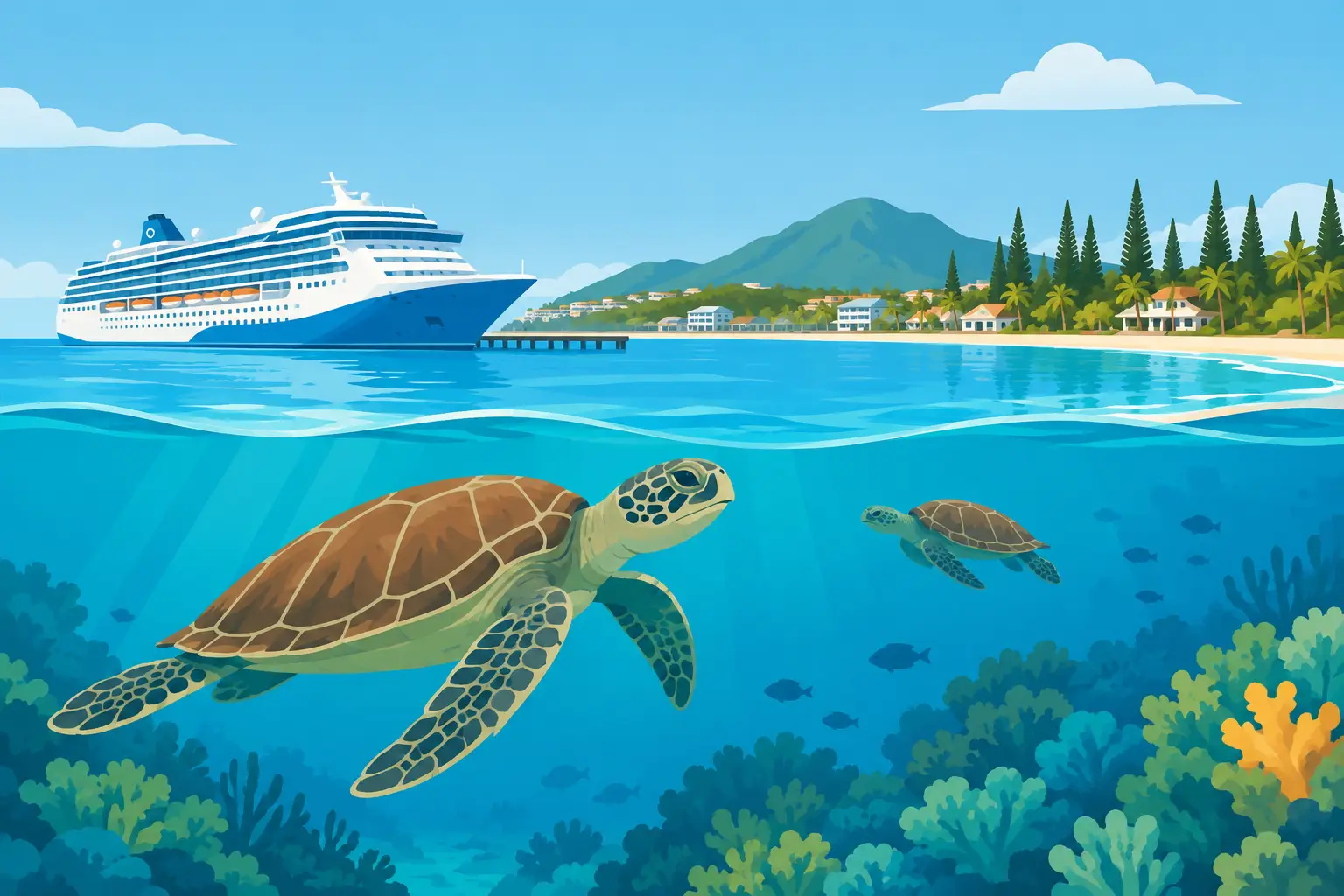
Make the most of your Noumea stop with hop on hop off transport. See city highlights, plan your time, and enjoy an easy, flexible shore day.
Scuba Discovery Review: Is It Right for You?
The first breath underwater is the moment most travelers remember. In this scuba discovery review, we look at what a beginner scuba experience in Noumea can really feel like: exciting, closely supervised, and far more accessible than many first-time divers expect. If you have limited time in port but want more than a surface snorkel, it can be a memorable way to see New Caledonia’s famous lagoon from a new angle.
A discovery scuba session is designed for people without a diving certification. You are not expected to arrive with experience, special equipment, or technical knowledge. The instructor introduces the essentials, stays nearby in the water, and chooses conditions appropriate for beginners. That said, it is still a real underwater activity. Feeling comfortable in the sea, listening carefully, and being honest about your health are all part of having a great day.
What a Scuba Discovery Experience Is Really Like
Most beginner programs start with a briefing on land or aboard the boat. Your guide explains the equipment, hand signals, equalizing pressure in your ears, breathing slowly through the regulator, and the simple safety skills you may practice before heading deeper. The lesson is practical rather than classroom-heavy, especially for cruise guests who want to make the most of a short stop in Noumea.
Once you are fitted with mask, fins, wetsuit if needed, tank, and buoyancy equipment, you will usually begin in calm, shallow water. This is where you get used to breathing underwater and moving at an easy pace. Many guests need a few minutes to settle in. That is completely normal. A good instructor will not rush this stage just to keep to a schedule.
After you are comfortable, the guided underwater portion begins. Rather than swimming far or descending to advanced depths, discovery dives generally focus on an easy reef area where beginners can enjoy fish, coral formations, and the clear blue tones of the lagoon. Your guide handles navigation and stays close enough to help if you need to pause, adjust your mask, or signal that you would like to return to the surface.
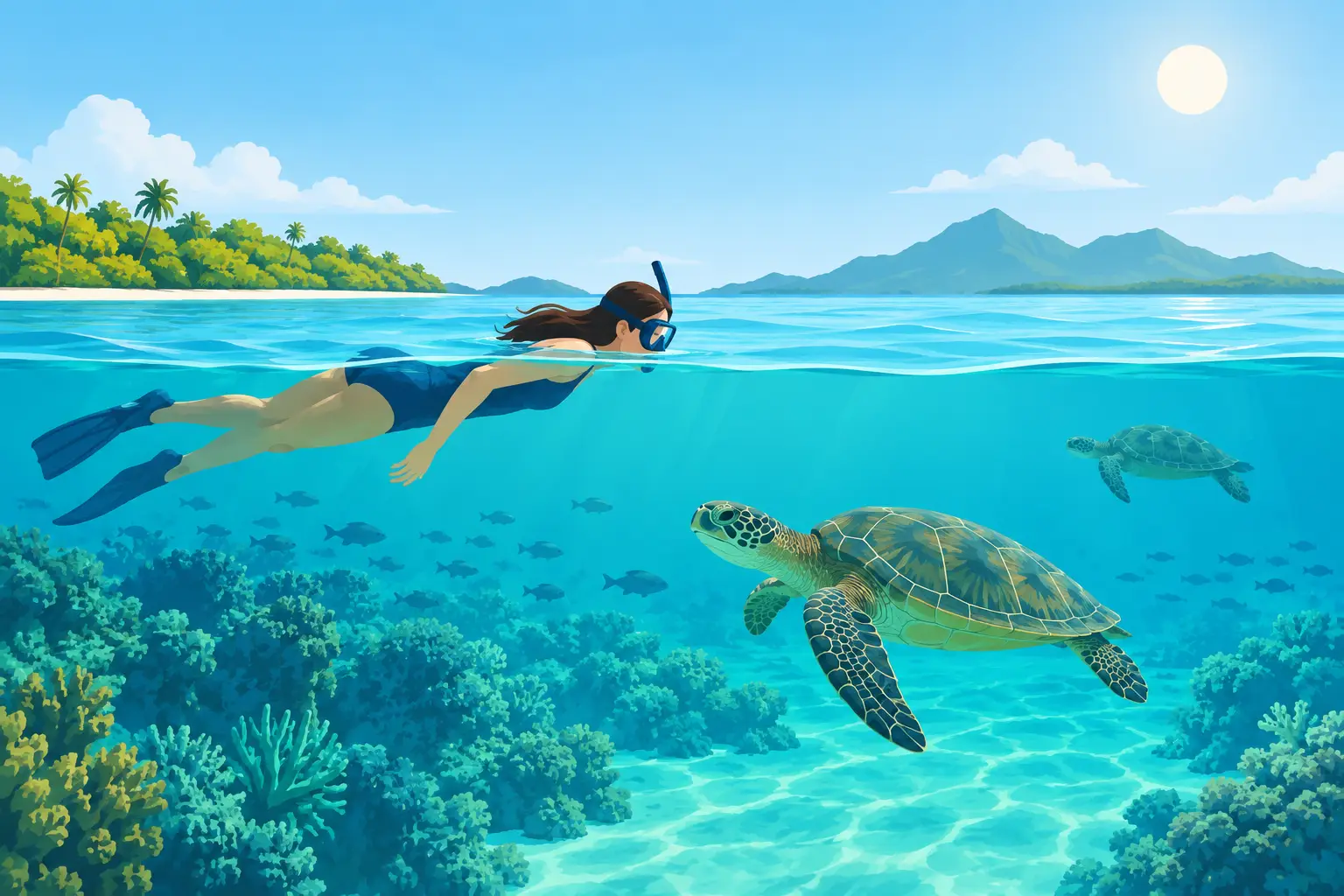
The feeling is different from snorkeling. At the surface, the reef is a beautiful view below you. On scuba, you become part of the scene, floating beside schools of tropical fish and noticing details that are easy to miss from above. For many travelers, that quiet sense of weightlessness is the highlight.
Scuba Discovery Review: The Best Reasons to Try It
The biggest advantage is access. A discovery session gives curious travelers a supervised introduction to scuba without committing to a multi-day certification course. It is a strong choice for couples where one person is already certified and the other wants to experience a first underwater outing, or for families with older teens who meet the operator’s age requirements.
Noumea is especially appealing because the surrounding lagoon offers warm-water scenery, reef life, and island views that make the boat journey enjoyable even before you enter the water. Depending on the site, you may spot colorful reef fish, sea cucumbers, giant clams, and coral gardens. Sea turtles are part of New Caledonia’s marine environment, but wildlife is never guaranteed. The most responsible tour operators will treat a turtle sighting as a wonderful possibility, not a promise.
Another benefit for cruise passengers is convenience. A well-organized excursion can coordinate departure times, equipment, instruction, and the return journey in one plan. That means less time comparing transport options and more time enjoying the water. Noumea Turtle Island Tours can help visitors choose marine experiences that fit their time ashore, whether scuba is the main event or part of a bigger lagoon day.
There is also a confidence factor. Some guests arrive saying they are “not a scuba person” because they have never used a regulator or feel nervous about the ocean. With patient instruction and gentle conditions, many leave surprised by how calm the experience becomes once they focus on slow breathing and their guide’s signals.
The Trade-Offs First-Time Divers Should Know
A discovery dive is not the same as becoming certified. You will learn useful basics, but you will not leave with the freedom to dive independently. If the underwater world sparks a bigger passion, a certification course is the next step.
It also requires more preparation than snorkeling. You may need to complete a medical questionnaire, meet an age minimum, and confirm that you have not recently gone scuba diving before a scheduled flight. Certain health conditions, medications, asthma histories, ear problems, pregnancy, or recent surgeries may require medical clearance or mean scuba is not suitable. Never guess on this point. Tell the operator the full truth before booking.
Equalizing your ears can be the main challenge. This means gently balancing pressure as you descend. Most people learn the technique quickly, but forcing it is never a good idea. If your ears will not clear, a trained guide should slow down or end the descent. A shorter, comfortable experience is far better than pushing through discomfort.
Sea conditions matter, too. Noumea’s lagoon can be wonderfully calm, but weather, wind, visibility, and currents change. A responsible operator may adjust the site, delay an activity, or cancel when conditions are not right. That can be disappointing on a tightly planned vacation day, but it is a sign that safety comes first.
Is It Better Than Snorkeling?
It depends on what you want from your day. Snorkeling is easier, usually requires less time, and works well for families with mixed confidence levels. You can enjoy bright reef scenery, warm water, and a relaxed island atmosphere without learning new breathing skills. It is often the better choice if you are prone to anxiety in enclosed masks, do not feel confident swimming, or simply want a flexible beach day.
Scuba is worth considering when the idea of floating underwater feels thrilling rather than stressful. It lets you stay below the surface longer and observe marine life at eye level. Colors, sounds, and movement feel more immersive. For a traveler who has always wondered what diving is like, a discovery session can turn a quick port stop into a genuine travel story.
If you are undecided, be realistic about your comfort level rather than booking based on a dramatic vacation photo. The best experience is the one you can enjoy without pressure.
How to Prepare for Your First Scuba Session
Arrive rested, hydrated, and with enough time to hear the entire briefing. Avoid alcohol before the activity, and do not schedule a scuba experience immediately before flying. Your operator will advise the appropriate waiting time after diving before boarding a plane, based on the profile of your dive.
Wear a swimsuit under comfortable clothes and bring a towel, reef-safe sun protection for time above water, and any prescription information you may need. Avoid applying sunscreen right before putting on a mask, as oily products can affect the seal. Long hair is easiest to manage when tied back.
You do not need to buy equipment for a first discovery dive. In fact, using properly fitted rental gear is usually the smarter option. Focus instead on asking a few useful questions before booking: How long is the underwater portion? Is instruction included? What are the age and health requirements? Is transportation provided or easy to arrange from the cruise terminal? What happens if weather changes?
These details help you compare excursions fairly. A lower price is not always better if it leaves out equipment, guidance, or transport that you need. For short-stay visitors, a clear schedule and reliable return timing can be just as valuable as the underwater experience itself.
Make the Most of a Noumea Underwater Day
Do not try to turn your first scuba experience into a test of bravery. Let it be a chance to slow down. Breathe steadily, stay close to your instructor, and look around instead of focusing only on what you think you are supposed to do. The smallest reef details often become the best memories: a fish slipping through coral, sunlight moving across the sand, or the first moment you realize you are breathing comfortably underwater.
For travelers ready to try something beyond the beach, a beginner scuba session can be one of Noumea’s most rewarding marine adventures. Choose an experienced operator, allow room in your schedule, and keep your expectations simple: safe guidance, beautiful lagoon water, and the rare pleasure of seeing the reef from within it.

Related Posts