Plan a Signal Island tour from Noumea for clear lagoon swimming, snorkeling, white-sand beaches, and easy cruise-friendly island time with local guidance.
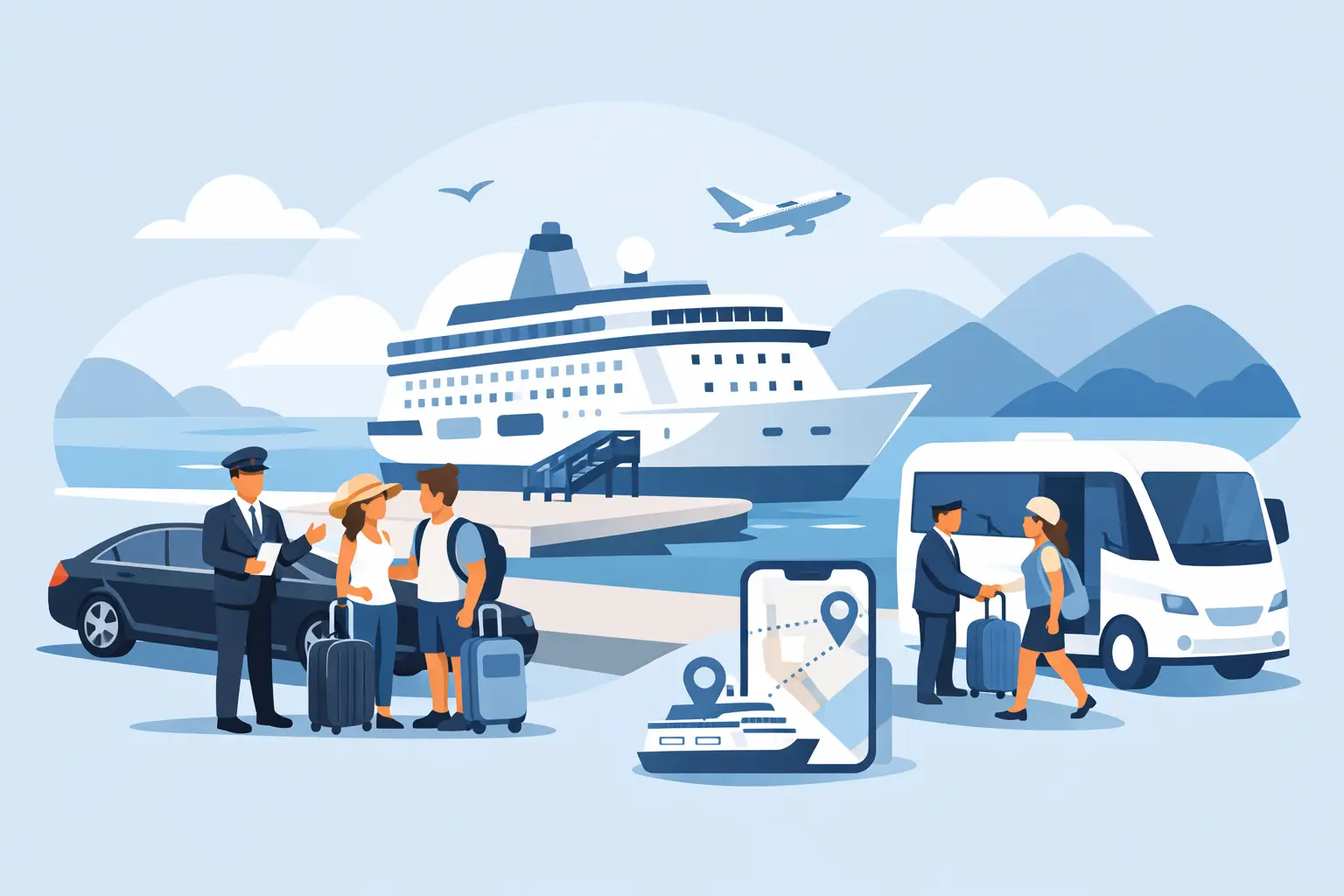
How to Organize Cruise Transfer Easily
A great port day can fall apart fast if your ride is late, your meeting point is unclear, or you spend half your stop figuring out where to go. That is why knowing how to organize cruise transfer before you arrive matters so much. When your time ashore is limited, the best plan is the one that gets you off the ship, into the lagoon, and back on board without stress.
For most cruise travelers, transfer planning is not really about transportation alone. It is about protecting your day. If you are coming into Noumea for a beach escape, a turtle tour, a snorkeling trip, or a quick island transfer, every minute counts. A simple, pre-arranged pickup gives you more time for the fun part and less time standing at the terminal wondering which taxi line is moving.
How to organize cruise transfer before your ship arrives
The easiest way to organize your cruise transfer is to start with your port schedule. Check your ship’s arrival time, your all-aboard time, and whether you will dock directly or use a tender. That one detail changes everything because tender ports usually add waiting time on both ends of your outing.
Once you know your timing, match your transfer to the kind of day you want. Some travelers need a direct hotel-to-dock or dock-to-beach ride. Others want a full excursion with transport included, which is often the easier option if you are visiting a new destination and want everything handled in one booking. If your goal is a short island escape or marine activity near the terminal, choosing a cruise-friendly operator with clear meeting instructions usually saves time.
It also helps to think backward from your return time, not forward from your arrival. Many guests focus on getting off the ship quickly, but the real priority is getting back with a comfortable buffer. Traffic, weather, tender queues, and busy port areas can all slow things down. A transfer that looks good on paper can feel tight once real-world delays show up.
Pick the right type of cruise transfer
Not every transfer suits every traveler. The right choice depends on your budget, group size, comfort level, and how independent you want your day to be.
A shared shuttle is often the best fit if you want a lower-cost option and do not mind a short wait for other passengers. Private transfer is better if your group wants flexibility, faster departure, or a more direct route. This is especially useful for families with kids, couples on a short port stop, or anyone carrying beach gear and snorkeling equipment.
Then there is the bundled excursion model, where transportation is built into the experience. For many cruise guests, this is the most practical choice. Instead of arranging separate rides to a marina, island pier, or activity desk, you book one product and follow one set of instructions. In a destination like Noumea, where visitors often want quick access to islands, lagoons, and marine tours, bundled transport can remove a lot of guesswork.
There is a trade-off, though. Independent transfers can offer more freedom if you want to create your own day. Included transport is easier, but it usually follows a set schedule. If you are the kind of traveler who likes to linger at the beach or change plans last minute, that matters.
Shared, private, or tour-based transfer?
If you want the shortest explanation, shared is economical, private is flexible, and tour-based is convenient. The best one is the one that matches your schedule rather than the cheapest one on a screen.
For cruise passengers, convenience usually wins. Port days move quickly, and simple logistics can make the experience feel much more relaxed.
What to confirm before you book
This is where smart travelers save themselves trouble. Before you pay for any transfer, confirm the exact meeting point, the departure time, the return time, and what happens if your ship is delayed. These details matter more than glossy photos.
You should also ask whether the provider works regularly with cruise passengers. A company that knows the terminal layout, local traffic patterns, and common ship schedules is better prepared to move guests efficiently. In Noumea, that local knowledge can make a real difference, especially when visitors want easy transfers close to the cruise terminal without wasting time searching for pickup zones.
Check what is included as well. Some transfers cover pickup and drop-off only. Others include luggage help, terminal greeting, multilingual assistance, or direct connection to a beach, island, or excursion departure point. If you are traveling with children, older relatives, or a larger group, these small details quickly become important.
Price should be clear from the beginning. If a rate seems unusually low, make sure it is not missing port fees, equipment transport, or return service. The cheapest option can become the most annoying one if it leaves you stranded or rushing back.
Timing matters more than most travelers expect
Cruise guests often underestimate how much time small delays can steal. You may disembark later than planned. You may need to clear terminal flow, walk farther than expected, or wait for your group to gather. On the way back, local traffic or weather can slow boats and road transfers alike.
That is why a good rule is to build in a generous return buffer. If your ship sails in the late afternoon, do not choose a transfer that gets you back at the last possible minute. A safer plan gives you time to reboard calmly, grab a drink, and enjoy the view instead of watching the clock.
Morning excursions usually give you more flexibility than afternoon ones, especially in warm-weather ports where conditions can change later in the day. But if your ship arrives late or tenders slowly, a midday departure might actually be the smarter choice. It depends on the port and the way your ship operates.
How early should you return?
A practical target is to be back in the port area at least 60 to 90 minutes before all-aboard time. Some travelers prefer even more margin, especially if they are using independent transportation rather than a ship-sponsored excursion.
That extra cushion is not wasted time. It is what turns a rushed day into an easy one.
Don’t forget luggage, gear, and meeting instructions
Cruise transfer planning is much easier when you travel light. If you are going straight from the ship to a beach, island, or snorkeling trip, pack only what you really need. Towels, sunscreen, reef-safe gear, water, and a dry change of clothes are usually enough for a short outing.
If you are carrying suitcases because you are embarking, disembarking, or changing accommodations, make sure your transfer is suitable for luggage. Not every vehicle, taxi boat, or excursion setup is designed for larger bags. This is one of the most common mismatches travelers run into.
Screenshots help more than people expect. Save your booking confirmation, pickup instructions, emergency contact details, and return location on your phone before you leave the ship. Port Wi-Fi is not always reliable, and mobile service can be patchy in busy arrival areas.
Meeting instructions should be simple and specific. “Near the terminal” is not specific. “At the cruise terminal exit beside the sign” is much better. Operators that serve cruise visitors well usually make this part easy, and that is worth paying attention to when comparing options.
Why local cruise-friendly operators are often the better choice
A provider that works close to the port and understands cruise timing can take a lot of pressure off your day. That is especially true when your plan includes an island transfer, marine excursion, or short sightseeing window. You do not want to spend precious shore time explaining ship schedules to someone who does not normally serve cruise passengers.
Local operators also tend to know which experiences fit a port stop and which ones feel too ambitious. That matters in a destination like Noumea, where you can choose between beaches, lagoons, turtle encounters, island rides, snorkeling spots, and sightseeing within a limited timeframe. Noumea Turtle Island Tours, for example, focuses on exactly this kind of easy, cruise-friendly planning with transport and marine experiences designed around short stays.
That said, local does not automatically mean better. What matters is organization. Clear communication, realistic timing, and visible coordination at the cruise terminal are the signs you are looking for.
Common mistakes when organizing cruise transfer
The biggest mistake is assuming any transfer will do. Cruise travel has fixed deadlines, and regular vacation transport does not always account for them. A beach shuttle that works perfectly for hotel guests may be too loose for a ship schedule.
Another common problem is overpacking the day. Travelers try to fit in a beach visit, a city stop, lunch, shopping, and a boat trip, then realize most of their port call disappears into moving between places. If your stop is short, one standout experience with reliable transfer is often the better choice.
Finally, do not rely on memory. Write down your return time and keep your transport details easy to access. After a swim, a sunny lunch, or a relaxed island afternoon, time can slip by quickly.
If you want your port day to feel easy, organize the transfer first and let the fun build around it. The right ride is not the boring part of the trip. It is what gives you the freedom to actually enjoy it.

Related Posts