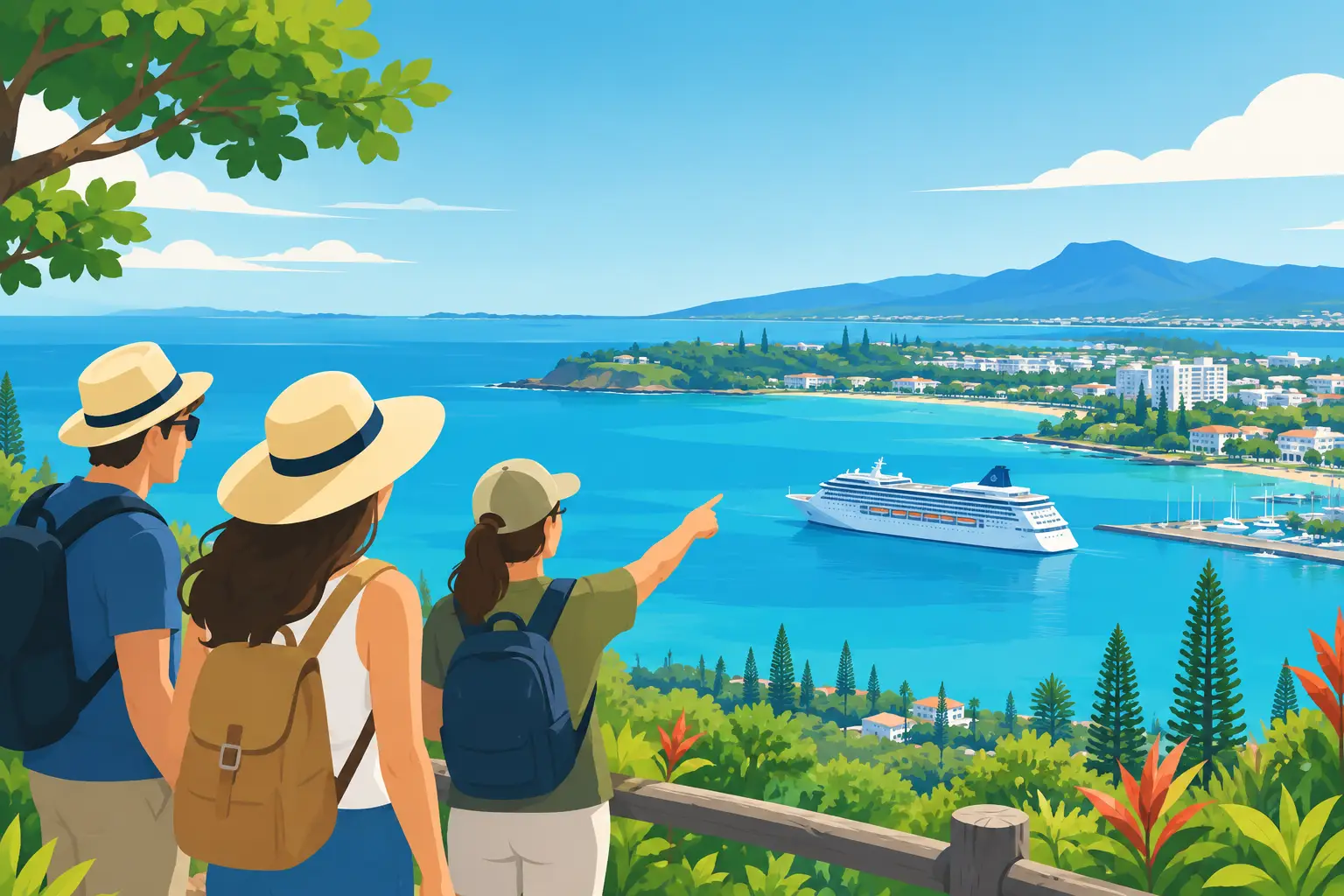
Plan a Noumea jetski tour with clear tips on timing, safety, what to bring, and how to add beach, snorkeling, and island time to your port day easily.
When to Visit Noumea Lagoon
Some days on Noumea Lagoon feel made for a postcard – flat turquoise water, bright sun, and enough visibility to spot coral and turtles with ease. Other days are still beautiful, but better for a relaxed island transfer, a beach stop, or a scenic outing rather than a full snorkeling plan. If you are deciding when to visit Noumea Lagoon, the best answer depends on what kind of day you want on the water and how much time you have in Noumea.
For most travelers, the sweet spot is the dry season from May to October. These months usually bring pleasant temperatures, lower humidity, and comfortable conditions for boat trips, beach time, and lagoon excursions. But that does not mean the rest of the year should be ignored. Noumea is a year-round destination, and summer can still deliver fantastic lagoon days, especially if warm water and a tropical feel matter more to you than cooler air.
When to visit Noumea Lagoon for the best weather
If your priority is easy, comfortable sightseeing and boat excursions, May through October is often the most reliable period. Days are typically sunny, the air feels lighter, and the heat is less intense than in peak summer. For cruise passengers and short-stay visitors, this matters because you want conditions that make it easy to step off the ship and head straight into an enjoyable outing without feeling drained by humidity.
June, July, and August are especially popular. The weather is generally mild, and many travelers love that balance of sunshine without extreme heat. If you are planning a half-day island trip, a catamaran outing, or a scenic lagoon tour, these months are a very comfortable choice.
The trade-off is that winter in New Caledonia can bring cooler water compared with the summer months. It is still very swimmable for many visitors, especially on sunny days, but if you prefer bath-like water, you may lean more toward the shoulder months instead.
The best months for snorkeling and turtle spotting
If snorkeling is high on your list, timing is not only about sunshine. It is also about water clarity, wind, and sea conditions. In many cases, the best snorkeling days happen when winds are light and the lagoon stays calm. That can occur in different months, but the dry season often gives travelers a better chance of clean, comfortable conditions.
September, October, and November are excellent months for many water lovers. The weather is warming up, the sea begins to feel more inviting, and you can still enjoy plenty of bright days. This period often works well for visitors who want that sweet spot between mild winter weather and the hotter, wetter summer season.
Turtle encounters are one of the biggest reasons people book time on the lagoon, and sightings can happen throughout the year. These are wild animals, so no honest operator should promise them on demand. Still, Noumea Lagoon offers fantastic opportunities to enjoy marine life in its natural environment, and calm, clear conditions always improve the overall experience. If seeing turtles is one of your top goals, choose a day with favorable marine conditions rather than focusing only on the month.
Visiting Noumea Lagoon in summer
From December to March, Noumea feels warmer, more tropical, and more humid. For some visitors, that is exactly the appeal. If you want hot weather, warm water, and a classic South Pacific beach-day feel, summer can be very tempting.
This is a good time for travelers who love swimming and do not mind a little tropical unpredictability. The lagoon can be beautiful in summer, with vivid colors and warm water that makes snorkeling especially inviting. Families and beach-focused travelers often enjoy this season because getting in and out of the water feels easy and comfortable.
The trade-off is weather variability. Summer is wetter, and there is a higher chance of rain, heavier cloud cover, and occasional wind affecting sea conditions. That does not mean every day is bad – far from it. It simply means flexibility helps. If you are on a longer stay, summer can still be a great time to plan lagoon outings around the forecast. If you are arriving by cruise and have only one port day, the drier months may feel less risky.
Shoulder season might be the smartest choice
If you want a balance of good weather, enjoyable water temperatures, and fewer seasonal drawbacks, the shoulder months often stand out. April, May, October, and November are especially attractive for many visitors.
These months can deliver a little bit of everything that makes Noumea Lagoon so memorable – bright water, warm enough conditions for beach time, and a better chance of comfortable outings without the stickier feel of midsummer. For couples, families, and short-stay visitors trying to fit a lot into a limited schedule, shoulder season is often the easiest recommendation.
This is also a practical choice if you are comparing activities. Maybe you want a snorkeling trip in the morning, an island stop for lunch, and enough good weather left for a city visit or aquarium stop afterward. Shoulder season often supports that kind of flexible vacation day.
When to visit Noumea Lagoon on a cruise stop
Cruise guests usually need a very simple answer to when to visit Noumea Lagoon: visit whenever your ship is in port, but choose the right type of excursion for the conditions. If you only have a few hours, convenience matters just as much as season.
That is why organized tours are so useful in Noumea. You do not want to spend a short port stop figuring out transport, schedules, or boat access on your own. A smooth departure close to the cruise terminal, especially with multilingual support, makes a real difference when every hour counts.
For cruise travel, the best months are still generally May through October because the weather is often more comfortable and planning feels simpler. But even outside those months, a well-timed half-day lagoon trip can still be one of the highlights of your stop. The key is choosing an excursion that matches the day, whether that means snorkeling, a beach transfer, a scenic island visit, or a more relaxed marine outing.
What matters more than the calendar
Travelers often search for one perfect month, but lagoon conditions are shaped by more than season alone. Wind can change the feel of the water very quickly. A sunny day with stronger wind may be less comfortable for snorkeling than a slightly cloudier but calmer day. Tide, visibility, and local marine conditions also affect what kind of outing will feel best.
That is why the smartest approach is to think in priorities. If your main goal is comfortable touring and easy weather, aim for the dry season. If your main goal is warmer water, look at the shoulder months or summer. If your main goal is making the most of a cruise port day, focus on booking a reliable excursion that removes transport stress and helps you reach the lagoon quickly.
A good local operator can help match the experience to the conditions. On some days, a turtle-focused outing or snorkeling trip is the obvious choice. On others, a relaxing island transfer with time on white sand beaches may be the better plan. That flexibility is part of what makes Noumea Lagoon so appealing – it offers something beautiful in every season, just in slightly different ways.
So, when should you go?
If you want the simplest answer to when to visit Noumea Lagoon, go between May and October for the most consistently comfortable conditions. If you want the best mix of pleasant weather and warmer water, target April, May, October, or November. If you love tropical heat and warm swimming conditions, summer can still be fantastic, especially if your schedule allows a little flexibility.
For many travelers, there is no bad time to enjoy Noumea Lagoon. There is only the right match between the season, the day’s conditions, and the kind of experience you want. If you choose with that in mind, your lagoon day has every chance of becoming the unforgettable moment you came to Noumea for.

Related Posts